Could pomegranate help fight cancer?
Urolithin A in the fruit could be used as a treatment for the deadly colorectal cancer
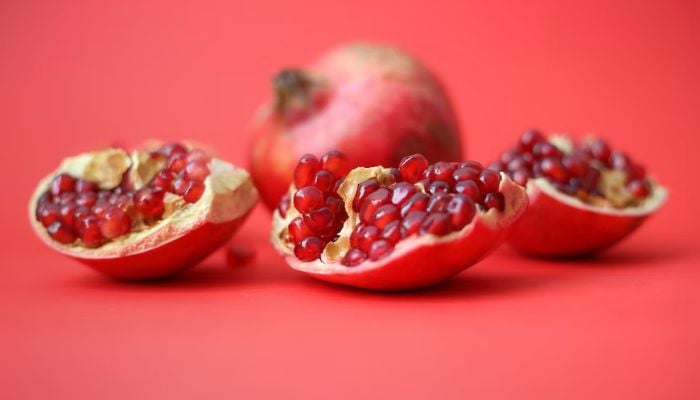
German scientists have found a potential therapy for and preventative measure against tumours: urolithin A — a metabolite in pomegranates.
This substance in the fruit could be used as a treatment for the deadly colorectal cancer. Urolithin A can boost immune cell function which could help people fight off tumours.
More and more medical professionals working on cancer therapy are focusing on immune targets because this type of treatment does not have many side effects like chemotherapy.
The immune system is in the focus also because multiple studies have shown that cancer ruins the immune-fighting T-cells. This is why tumours easily grow in the body.
Professor Florian Greten and the team believe that their findings can help scientists get closer to finding better and more effective ways of treating and preventing cancer.
Urolithin A replaces damaged mitochondria in the T-cells with healthier ones. This is called mitochondrial recycling and it makes the immune system stronger.
Pomegranate can be used in two ways. Firstly, as food in "preclinical models" to halt the growth of tumours. Secondly, via in vitro treatment to "rejuvenate" T-cells.


-
 Health Canada reviewing new mRNA flu vaccine that could prevent more hospitalisations
 -
 Scientists discover hidden drainage route at the back of the eye
 -
 WHO confirms death at Russian research lab, says no plague case registered
 -
 Getting a $90 check from Social Security? Here’s why
 -
 Measles cases in US top 4,000 nationwide, CDC reports
 -
 Sexually transmitted diarrhea spread in US, UK: Why antibiotics are failing against Shigella
 -
 Who is Song Li? China puts her forward for WHO leadership role
 -
 CDC monitors travelers from Siberia after plague worker’s death, director says