
Pakistan on brink of security crisis: report
PIPS report paints grim picture of rising violence and urgent need for comprehensive counterterrorism strategies
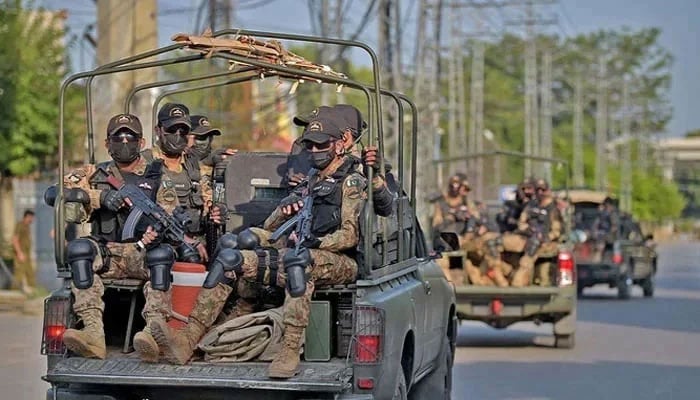
ISLAMABAD: A latest report has warned that Pakistan is on the brink of a security crisis reminiscent of the pre-2015 era, marked by escalating terrorist attacks and fatalities throughout 2024.
The “Pakistan Security Report 2024,” released by the Islamabad-based think tank Pak Institute for Peace Studies (PIPS), a copy of which is also available with The News here on Wednesday.
PIPS report paints a grim picture of rising militant violence and the urgent need for comprehensive counterterrorism strategies.
In a concerning development, the report draws parallels between the current security landscape and the situation leading up to the catastrophic 2014 Peshawar Army Public School attack. The number of attacks surged dramatically in 2024, culminating in 521 incidents — a staggering 70 percent increase from the previous year. These attacks resulted in the tragic loss of 852 lives and left 1,092 others injured, marking a significant escalation in terrorist activities.
The report highlights that Khyber Pakhtunkhwa (KP) and Balochistan remain the epicenters of violence, accounting for over 95 percent of all terrorist incidents in the nation. KP, in particular, experienced 295 attacks, resulting in 509 fatalities and 517 injuries. Balochistan saw a sharp 84 percent increase in attacks, with 202 incidents claiming 322 lives and injuring 534 more.
The Balochistan Liberation Army (BLA) has emerged as a formidable actor, with its attacks causing 225 fatalities, a figure rivaling those orchestrated by the proscribed Tehrik-i-Taliban Pakistan (TTP), which killed about 300 people in the same year.
Sectarian violence has also seen a disturbing rise, particularly in the Kurram district of KP. A total of 234 individuals were killed in sectarian conflicts, reflecting a sharp increase from 43 fatalities in 2023.
The report calls for urgent action to address the root causes of this violence. It stresses the need for greater cooperation between the KP provincial government and the federal administration to mitigate terrorism threats. Additionally, it underscores the importance of strengthening civilian law enforcement, particularly the police’s counter-terrorism departments in KP and Balochistan.
To counter the BLA, the report recommends a comprehensive political and socioeconomic programme aimed at integrating the Baloch population while addressing grievances associated with enforced disappearances in the region.
Despite the bleak outlook, security forces have amplified their anti-militant operations, resulting in the deaths of 932 militants in 2024. However, experts warn that unless the underlying issues, such as sanctuary and support for militants from neighboring Afghanistan, are addressed, the cycle of violence may continue.
As Pakistan grapples with this resurgence of terrorism, the report urges national and provincial authorities to engage with local communities, fostering dialogue to rebuild trust and isolate extremist elements. The path to long-term stability, according to the report, lies in coordinated efforts that balance kinetic actions with community-focused strategies.







-
 Beartooth Frontman Caleb Shomo's Wife Ends 14-year Marriage With The Singer
 -
 Pearl Harbor Sailor Identified After 82 Years Through DNA Analysis
 -
 Real Reason Why Christopher Nolan Won’t Work With Nicolas Cage
 -
 Jimmy Kimmel Fires Back At Robert F. Kennedy Jr Amid Stephen Colbert Show Fallout
 -
 Deal Or No Deal? What Is Happening With The Iran-US Talks: An Explainer
 -
 Could AI Replace Pilots? Aviation Industry Tests Next Generation Flight Technology
 -
 Oil Prices Fall As Hopes Rise For US-Iran Peace Deal
 -
 'Michael' Creeps Closer To Highest-grossing Film?
 -
 Cuba Receives Chinese Rice Donation During Worsening Fuel And Food Crisis
 -
 Trump Is Pushing Muslim Nations To Normalise Ties With Israel After Iran War
 -
 Messi Leaves Inter Miami Match Injured, Raising Concerns For Argentina Ahead Of FIFA World Cup
 -
 Meghan Markle Quietly ‘feeding’ Her Life Into Business Plans
 -
 Meghan Markle Loses 'enormous Cachet' After Taking Huge Step With Prince Harry?
 -
 Gordon Ramsay Teaches 'brilliant' Lesson To His Children?
 -
 Prince William Is ‘putting His Money Where His Mouth Is,’ Says Expert
 -
 Scientists Find Clue To 'recharge' Damaged Nerves To Ease Chronic Pain