Nepal avalanche kills 15 workers
Nepali workers were preparing Himalayan mountain camp for climbers
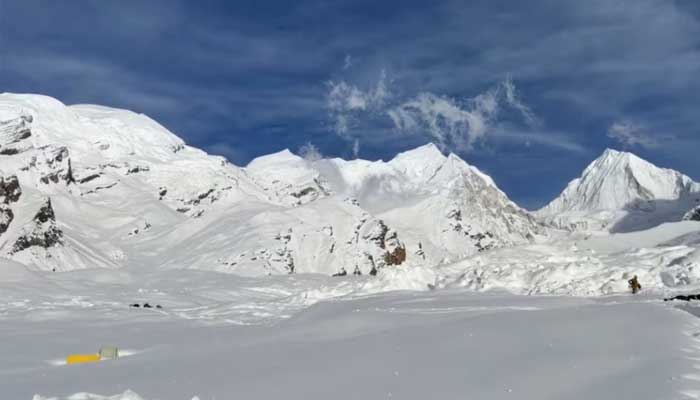
At least 15 Nepali workers were killed when an avalanche buried a mountain camp they were preparing in central Nepal for foreign climbers, a rescue official said on Thursday.
According to Reuters news agency, the avalanche buried the base camp of the 7,126-metre (23,379-foot) Himlung Himal mountain in the northern Manang district over the weekend where the Nepali workers were pitching tents and fixing ropes. One remains missing.
Rescuers have so far recovered 15 bodies from the site, said Tul Singh Gurung, president of Nepal National Mountain Guide Association (NNMGA).
Eight bodies were recovered from under the snow on Thursday while the other seven were retrieved earlier this week.
“The bodies that were recovered today are expected to be brought by a helicopter to Kathmandu,” Gurung told Reuters.
He said chances of finding the one missing worker were dim and the rescue operation is likely to wind up.
The foreign climbers had not reached the site at the time of the avalanche.


-
 Netanyahu protected from protesters by New York police amid Mamdani's arrest threat
 -
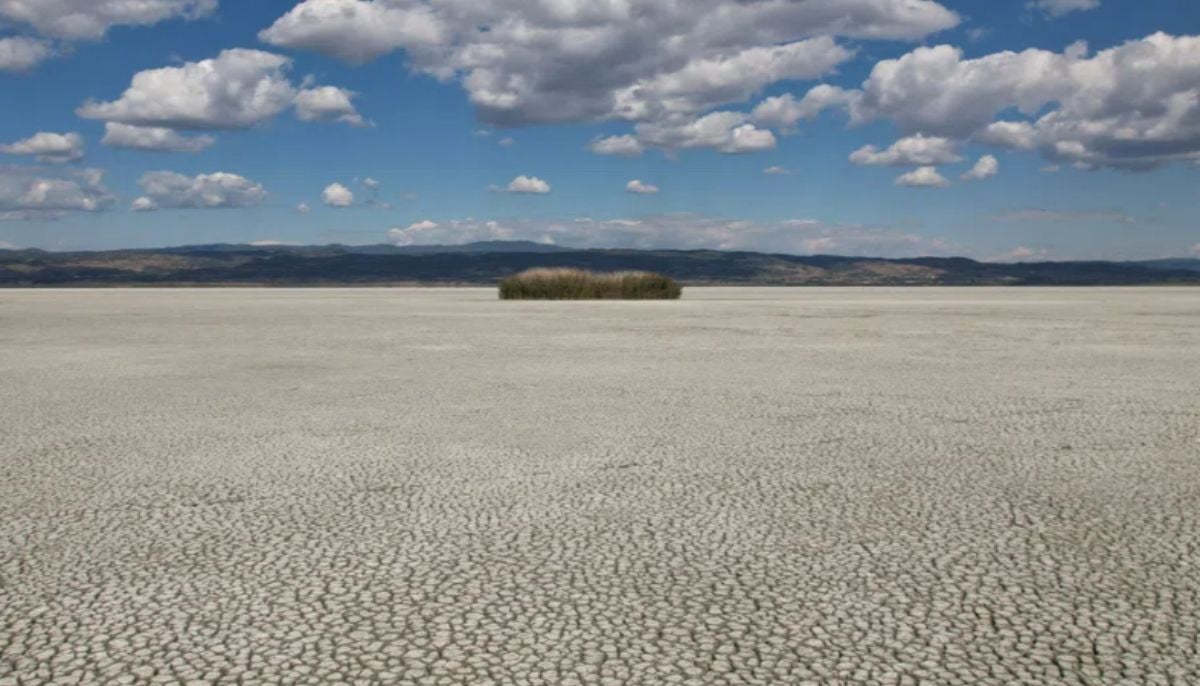 Greece's vanishing lake Koroneia exposes rapid climate impact: report
 -
 Christa Pike execution fails twice: What happens to her death sentence now?
 -
 Trump unveils $200 billion South Korean energy investment amid Alaska pipeline uncertainty
 -
 AI agents targeted Canadian government website in failed hacks: report
 -
 US assesses Chinese invasion of Taiwan unlikely next year despite 2027 timeline, sources say
 -
 Trump vs Newsom: California chooses ‘artificial intelligence’ over ‘super intelligence’
 -
 California, 6 states sue Trump administration over $810M federal funding cuts
-
 ‘Unprecedented failure’: Tennessee death row inmate execution fails after two lethal injections
 -
2 killed, 2 injured after pedestrians struck at Tsawwassen Mills
-
US Justice Department accuses Minnesota federal judges of misconduct
-
Elon Musk tapped for new Pentagon project to study ‘future of warfare’