California, 6 states sue Trump administration over $810M federal funding cuts
White House withheld federal funds under a technique known as 'pocket rescission'
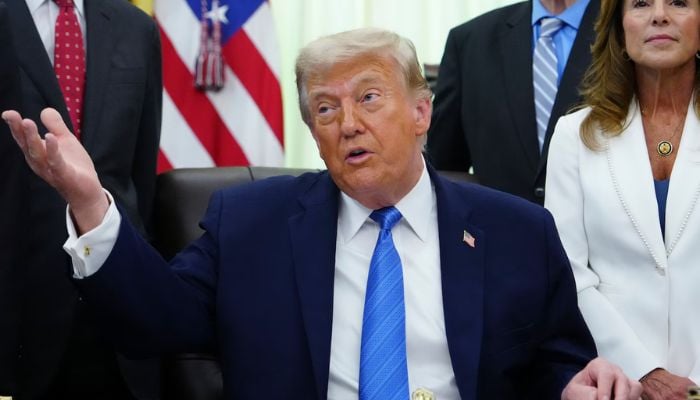
Another lawsuit is looming over the Trump administration. On Wednesday, California and six other states sued the administration over federal funding cuts including $810 million approved by Congress.
The lawsuit stemmed from Donald Trump’s abrupt move to withhold federal funds under a technique known as “pocket rescission.” The decision to withhold funds was taken unilaterally, aiming to stop spending on race, education and immigration.
The lawmakers objected that this move would affect several programs and agencies serving minority groups, immigrants, Human Services research programs and the Department of Health.
In a recent development to challenge this withholding, the states filed in the US District Court for the Northern District of California and led by California Attorney General Rob Bonta.
In the court filing, Bonta argued that administration’ attempts to withhold funds and restrict its spending goes against the Constitution’ separation of powers, appropriations and presentment clauses.
"I continue to be appalled by President Trump’s blatant disregard for the basic Constitutional framework of our government. Just because the President doesn’t like a program doesn’t mean he can defund it," Bonta said in a statement.
The lawsuit also raised questions over the limits of presidential spending power. Moreover, the act of pocket rescission also ignited backlash from both sides, seen as an effort to bypass Congress’ constitutional authority over spending as Congress has the power over finances.
The White House justified its move as an effort to push back those programs that “supported illegal immigration, stoked racial tensions and promoted alarmist approaches to the environment.
Another problematic thing is that the administration sent this request to Congress at a time when the expiry of the fiscal year was so close that the lawmakers could not even act before its expiration. The fiscal year is going to end on September 30 and the White House will not return until after the midterm elections in November.
However, the White House has not yet responded to this report.


-
 ‘Unprecedented failure’: Tennessee death row inmate execution fails after two lethal injections
 -
 2 killed, 2 injured after pedestrians struck at Tsawwassen Mills
 -
 US Justice Department accuses Minnesota federal judges of misconduct
 -
 Elon Musk tapped for new Pentagon project to study ‘future of warfare’
 -
 Oakbrook Center shooting: Police say all involved are in custody or accounted for
 -
 Russia warns it could use nuclear weapons if NATO cuts off Kaliningrad
 -
 Trump administration to send migrant deportees to Burundi under new deal
 -
 Macron tells Britain ‘welcome back’ after Burnham floats EU return