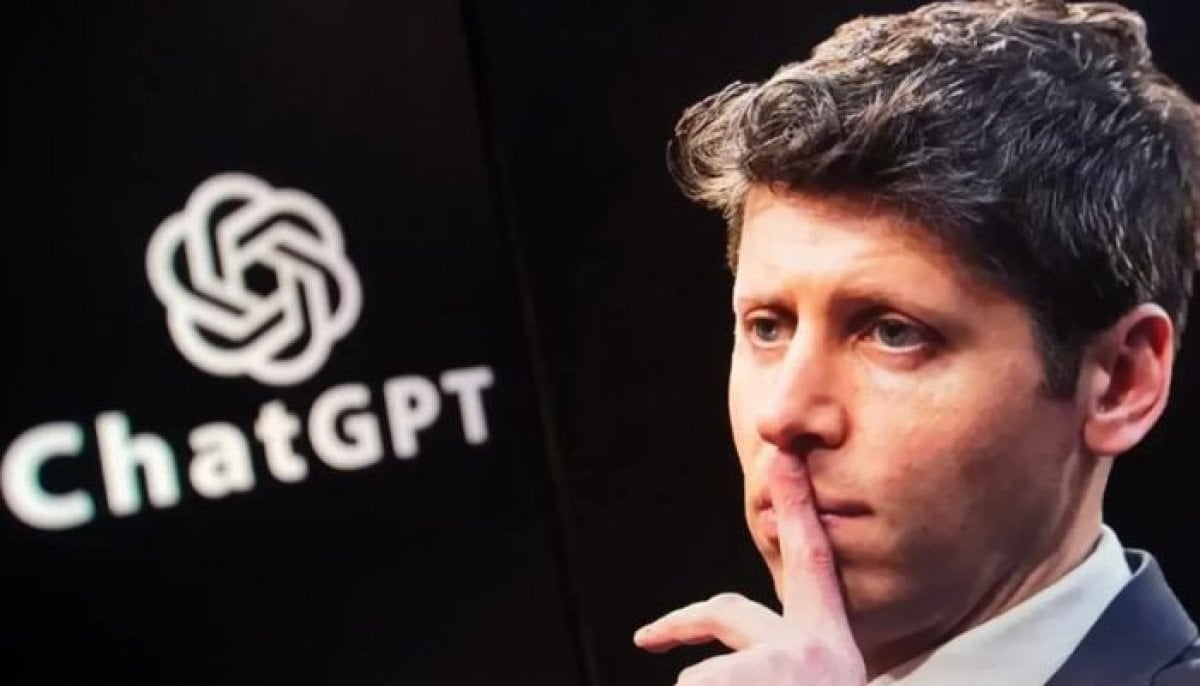
North Korea uses stolen US identities and AI to secure remote jobs
North Korea uses stolen identities and AI to covertly secure positions at US companies
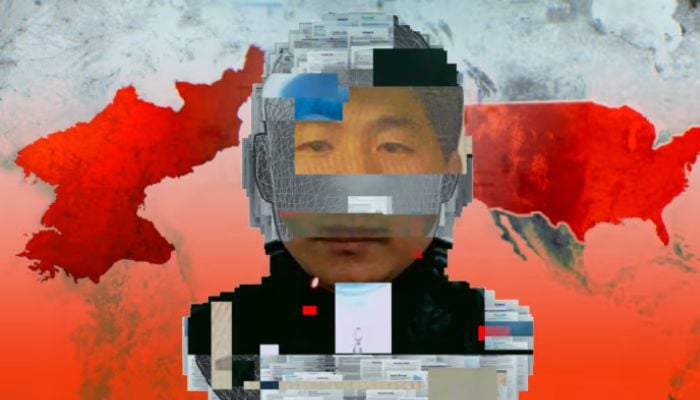
North Korean operatives have built a secret workforce inside American companies, using stolen identities, AI tools and fake profiles to secure remote jobs.
The money earned is then funded back to North Korea, potentially funneling millions of dollars back to Kim Jong Un’s regime. while, the teams are closely monitoring how this happened, utilizing a cache of leaked data, interviews and never before seen videos. The result is an unusual appearance at how North Korea’s undercover workers get recruited.
North Korea’s Secret US force is encouraged to see how Pyongyang’s scheme actually works; it is a gripping tale packed with mind-blowing disclosure and surreal moments.
The investigation further showed that the cell tracker applied for jobs at more than 1,000 companies in just three months. It was found that AI aids them to write cover letters and resumes. On the contrary, screen recordings showed them reading directly from ChatGPT in response to hiring questions.
North Korea’s IT workers use stolen American identities to pass candidate evaluations. The workers often handle different roles and can hold down multiple jobs under each stolen name.
Some of the North Korean IT workers earn as much as $300,000 a year, and the Treasury Department has discovered up to 90% of their salaries flow back to the regimes, with the operation specifically earning as much as $800 million annually.
Nonetheless, the investigation traced the funds through a network of North Korean IT workers and cybercriminals, ultimately leading to the company being sanctioned in the US in connection with Pyongyang’s defense development plan.


-
 OpenAI brings plugin to live voice to work in ChatGPT
 -
 Meta unveils camera-free smart glasses amid growing privacy backlash and scrutiny
 -
 Trump reveals millions in tech and AI shares: Here’s what to know
 -
 Amazon rolls out autonomous Agentic AI tools to supercharge third-party sellers
 -
 TikTok removed 42,000 dangerous videos, can't say view counts
 -
 Sony Music joins AI policy group despite legal battles
 -
 Mozilla calls out Zuckerberg, Musk in new NYC ad campaign
 -
 Wall Street's latest vote of confidence in Microsoft
-
 AI leaders set to brief UN amid intensifying concerns that technology could slip beyond human control
 -
Galaxy Tab S12 Ultra leaks reveal Samsung's biggest upgrades
-
Bernie Sanders introduces bill to ban superintelligent AI, create federal AI agency
-
AI is quietly wiping out entry-level jobs, experts warn