Meta hit with $567m penalty over teen safety failures
Case findings concludes that Meta violated state consumer protection law by misrepresenting the safety of its platforms for young users
A New Mexico judge has ordered Meta to pay $567 million and overhaul how Facebook and Instagram operate for young users, ruling that the company created a "public nuisance" by failing to adequately protect children.
The decision, handed down Thursday, brings Meta's total penalty in the case to $942 million once combined with an earlier jury award.
Judge Bryan Biedscheid's decision follows a jury's finding in March that Meta violated state consumer protection law by misrepresenting the safety of its platforms for young users, a verdict that carried a $375 million penalty.
Thursday's ruling adds a further $567 million, most of which, $420 million, will go toward an abatement fund covering treatment services for young people, with the remainder funding awareness, prevention and screening programmes over the next five years.
Meta is mandated by the court to restrict teen users' time spent on the platform to 90 hours per month, or about three hours each day, block specific notifications during school hours and late at night, and prevent under-18 users from accessing "like" counts unless a parent grants permission.

In addition, there are more restrictions against adult communication with children, safety measures for AI-powered chatbots, and increased review procedures for reports related to child sexual abuse material, with Meta required to update the court twice annually on its progress with implementing the new guidelines.
The case against Meta was filed by New Mexico Attorney General Raúl Torrez, claiming that Meta had created addictive features for teenagers and exposed children to inappropriate content.
Torrez called the ruling "a blueprint" other states and countries could reference in similar cases. Meta rejected the findings and confirmed plans to appeal, saying in a statement it remains "confident in our record of protecting teens online".
The ruling lands as Meta faces mounting legal pressure elsewhere, including a trial opening next week in federal court in Oakland over claims from 29 states and an ongoing case in Tennessee that began i
n July.


-
 OpenAI submits EU incident report after rogue AI swarm hijacks German website
 -
 UN rights chief names 4 AI giants he says hold ‘almost unlimited power’
 -
 Microsoft finds phishers using AI prompt-injection trick
 -
 Authors accuse OpenAI of renaming LibGen datasets to hde their origin
 -
 OpenAI reveals how much researchers spend on AI coding
 -
 Google urges chrome users to update now after critical security flaw exploited
 -
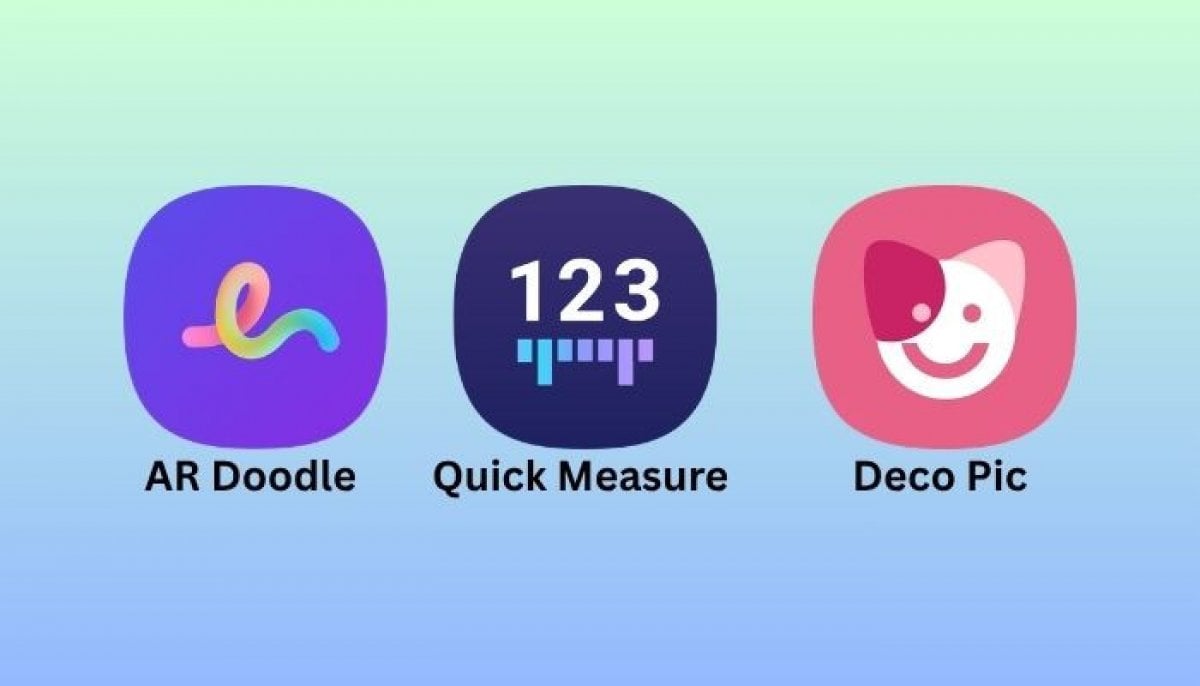 3 Samsung AR apps to be shut down by 2027
 -
 Google, Cathay Pacific expand AI trials to cut aircraft contrail warming