Bank of England monitors public-sector pay amid inflation concerns
BoE reviews how a rare economic imbalance between public and private wages is threatening to delay much-needed interest rate cuts
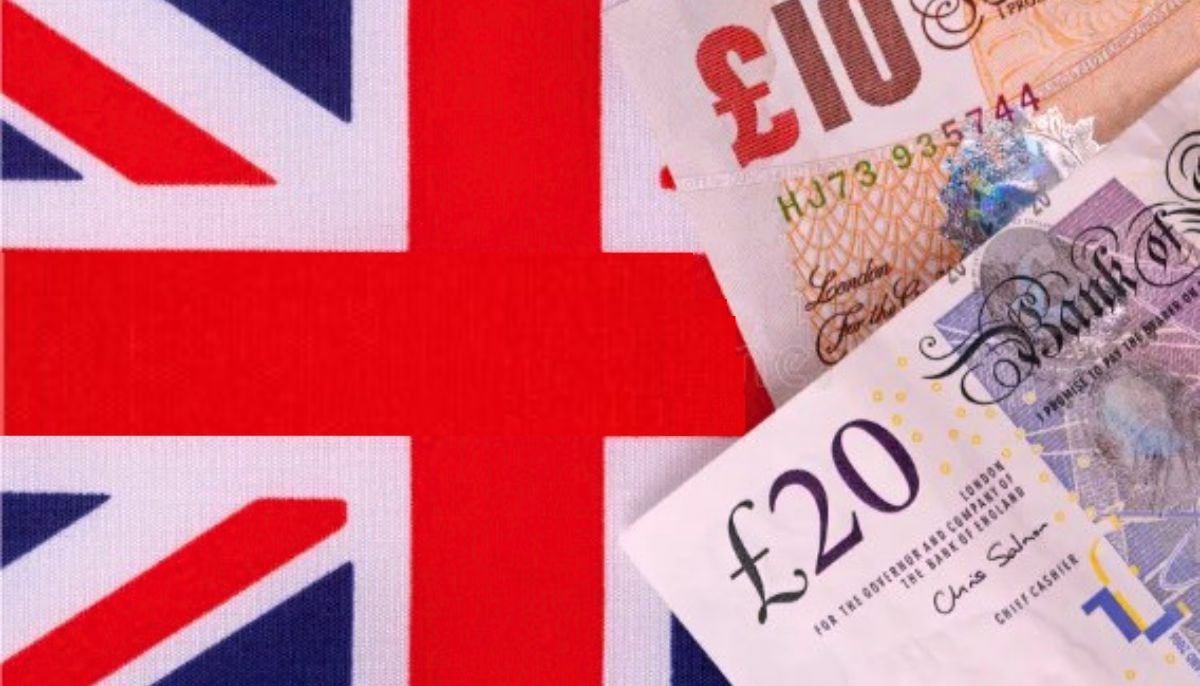
The Bank of England is closely monitoring public-sector pay as a potential source of inflation pressure.
Governor Andrew Bailey said in remarks published by the Financial Times on Monday that the BoE is keeping a closer watch on public wages as they continue to run faster than in the private sector.
Historically the BoE has focused more on wage growth in the private sector, as it responds faster to economic conditions and is more likely to lead to businesses putting up prices.
But for each of the past 12 months, public-sector pay, excluding bonuses, has risen faster on an annual basis than private-sector pay, the longest such run since 2021 and, before that, 2011.
"We have got more of a wedge opening up between private-sector pay and public-sector pay," Bailey said in an interview transcript published by the FT.
"Traditionally ... we've put much more weight on private sector pay because we think it feeds more directly through enterprises. But I think the more that wedge opens up, you start to have a few doubts on that front," he added.
Public-sector pay increased by an annual 4.8% in the first quarter of 2026, compared with 3.0% in the private sector.
Bailey also said a surge in British government bond yields, which hit their highest since 2008 on the 10-year maturity closest to the cost of new government borrowing, was not really due to threats to Prime Minister Keir Starmer's future.
"There was a period for a week or two where there was some UK domestic political news in the market. I don't think this has been a very significant factor," he said.
But the surge, which exceeded that for U.S. or German yields, did show the importance of balanced public finances, he added.
"People can take a message from the market at that point. The fiscal rules are important," he said.
In a speech in Reykjavik on Friday, Bailey said the central bank could afford to take a wait-and-see approach on whether the Iran war would necessitate a rise in interest rates.
Asked if a peace deal would bring rate cuts back on the agenda for this year, Bailey said it would have to look durable.
"You'd have to be much more confident that this incident is not lasting," said governer.




-
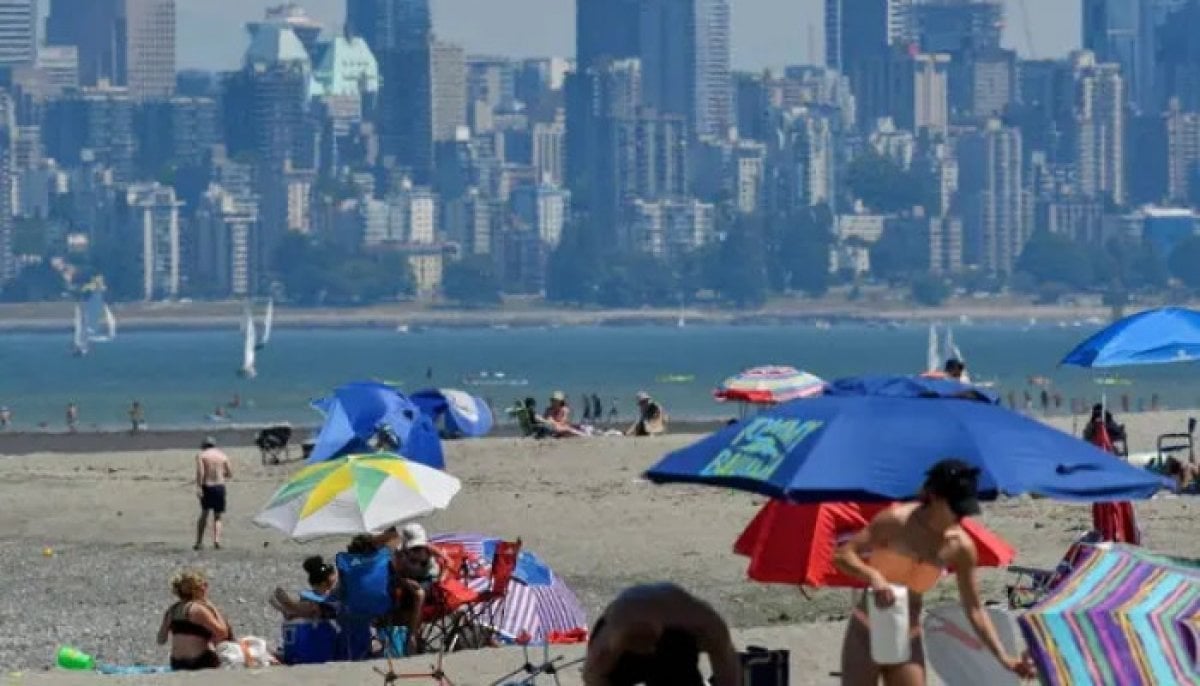 Heat dome to bring record temperatures across western US and Canada
 -
 Spain migrant crisis: Pedro Sanchez visits Ceuta after mass Morocco crossings
 -
 Broad Peak avalanche: Pakistan rescuers recover four bodies, while six remain missing
 -
 UK minister declares FIFA's World Cup sale plan is collapsing amid boycott threats
 -
 Ceuta migrant crisis: Spain, Morocco strike return deal after 49,000 crossings in 24 hours
 -
 Pima County sheriff faces legal challenge in Nancy Guthrie investigation
 -
 Ceuta’s chaotic migrant surge explained: What triggered border crisis?
 -
 Mandela Barnes withdraws from Wisconsin governor contest as Hong leads