Huang admits Nvidia has lost China AI chip market to Huawei
Nvidia once held over 90% of China's AI chip market, Huang says Huawei is now having record years filling the void Nvidia left behind
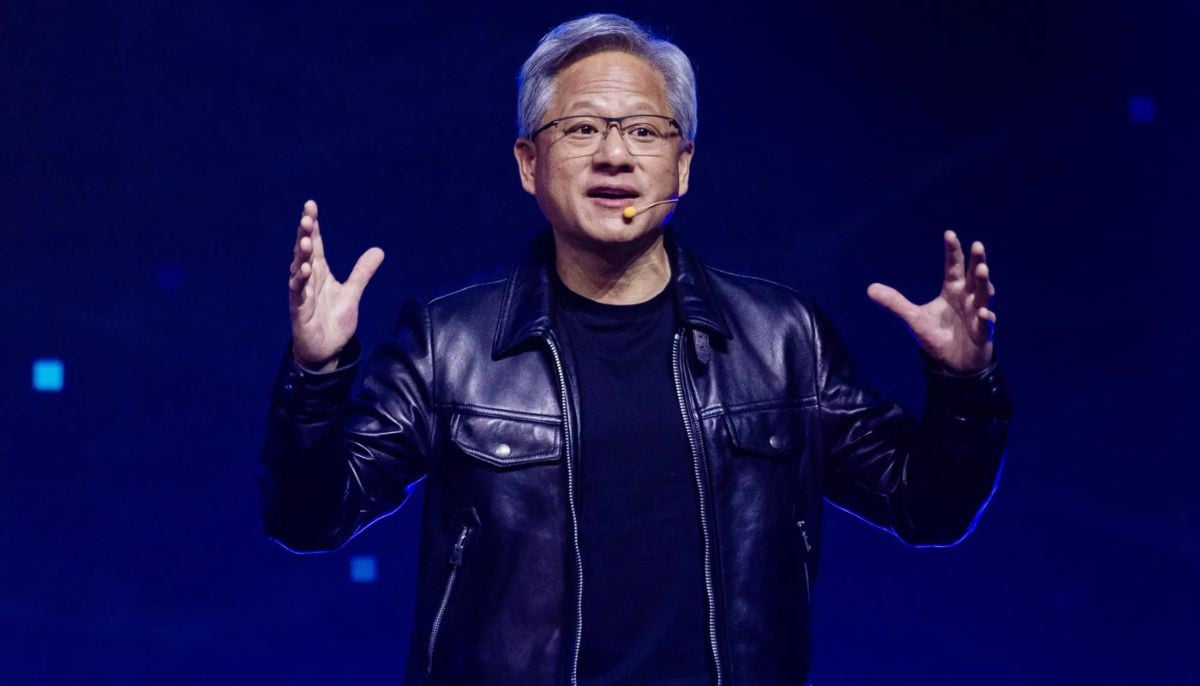
Nvidia once controlled over 90% of China's AI chip market. That figure now stands at zero. Speaking on the Special Competitive Studies Project's Memos to the President podcast last month, CEO Jensen Huang stated the number plainly: "Nvidia had, you know, call it 90-some odd percent of the world's market share. Today, in China, we have now dropped to zero."
According to Reuters, companies like Alibaba, Tencent, ByteDance, and JD.com received US Commerce Department clearance to purchase Nvidia's H200 chips.
How did Washington shut Nvidia out?
China once accounted for at least one-fifth of Nvidia's data centre revenue, making it one of the company's most significant single markets. That changed as the US government progressively tightened export restrictions on advanced AI chips.
In April, the Trump administration informed Nvidia it would require a licence to sell chips to China and several additional countries. Huang told investors to "expect nothing" in terms of approval for advanced chip sales—a stark signal that the pathway back is not imminent.
Huang acknowledged Huawei's rise with striking directness during a CNBC interview: "Huawei is very, very strong. They had a record year; they'll likely have an extraordinary year coming up, and their local ecosystem of chip companies is doing quite well because we've evacuated that market."
The company reported revenue of $81.62 billion for its most recent quarter, an 85% year-over-year increase, alongside an $80 billion share buyback programme and a dividend increase.
Huang described Nvidia's long-term opportunity as a "five-layer cake": energy, chips, infrastructure, models, and applications, framing the AI industry as a stack in which Nvidia aims to be foundational at every level.
The priority now, he said, is supporting the supply chain to match surging global demand: "As we're growing hundreds of billions of dollars at a time, we have to support our supply chain so that they are able to support our growth."
On China specifically, Huang struck a tone of reluctant acceptance rather than resignation. Nvidia would be "delighted" to return if policy conditions change, he said, citing the company's 30-year presence in the market and long-standing partnerships.


-
 US politician slams Sam Altman over 'accept some bad things happening' remark
 -
 Italy antitrust regulator opens investigation into AI music startup Suno
 -
 Smart glasses face bans over privacy concerns: Full list of countries
 -
 Mistral AI new model beats Chinese competitors in cybersecurity, claims CEO
 -
 UK regulator probes Meta over child safety risks in Instagram's 'Instants' feature
 -
 OpenAI admits ‘not good enough’ response to Australia government hacks
 -
 Meta, TikTok and X challenge UK watchdog over safety data: What to know
 -
 Norway proposes temporary ban on AI glasses in public spaces over privacy fears