Amazon rolls out ‘Amazon Now’, promising 30-minute deliveries to more cities
Amazon Now is a new ultrafast delivery service bringing thousands of necessary items to your door in about 30 minutes
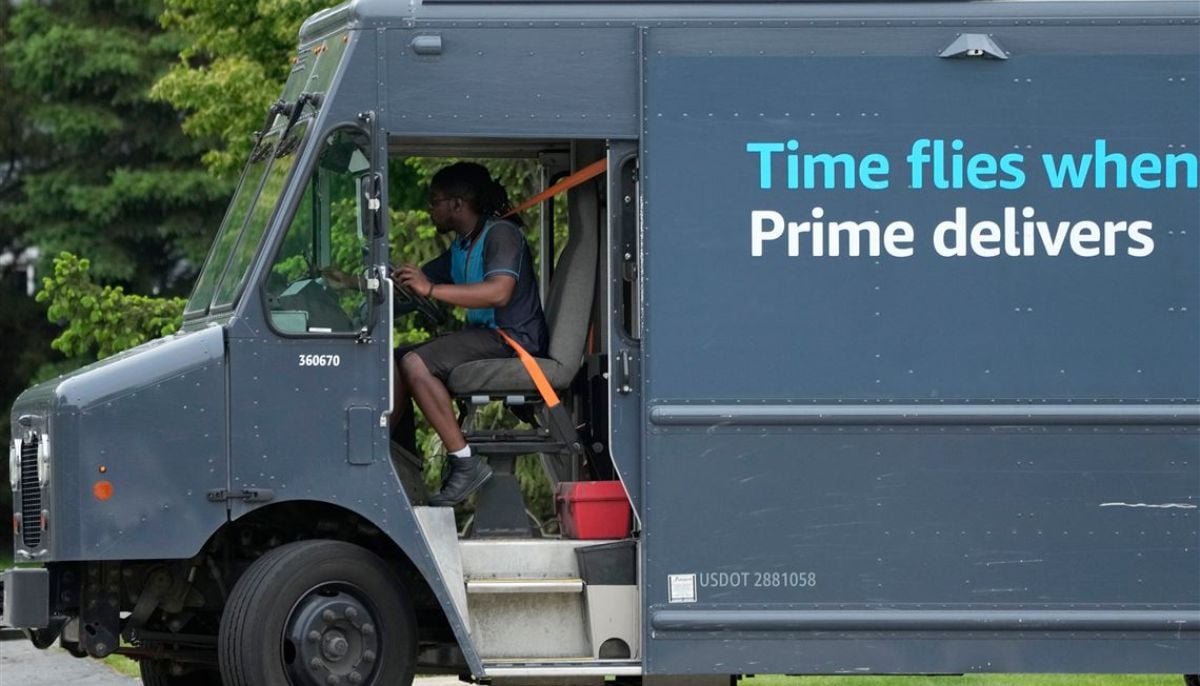
More than two decades after pioneering fast shipping, Amazon is officially raising the bar again. The e-commerce giant announced today the expansion of Amazon Now, an ultrafast service designed to deliver essential items in 30 minutes or less.
Designed primarily for "urgent" needs like cough medicine, fresh groceries or phone chargers, the service utilizes a network of micro-hubs. These facilities are roughly the size of a retail drugstore and stock approximately 3,500 high-demand products.
After initial tests in Seattle and Philadelphia, the service is now live in Atlanta and Dallas-Fort Worth. The company plans to reach dozens more cities including New York, Houston, Phoenix, and Denver by the end of 2026.
We know that customers love speed and always have,” Beryl Tomay, Amazon’s head of transportation, told The Associated Press on Monday. “What we see customers doing, when we offer faster speeds, is that they purchase more from Amazon. And Amazon becomes more top of mind for that or other types of items as well.”
The service charges for Amazon Now start at $3.99 for Prime members, who pay an annual fee of $139, and $13.99 for non-members. $1.99 small basket fee apologies to orders under $15.
The significant move escalates a "speed war” with Walmart, which offers “Express Delivery” for a $10 fee. Analysts point to Domino’s Pizza as a cautionary tale; the pizza chain famously dropped its “30 minutes or free "guarantee in1993 following safety concerns and lawsuits.
To avoid this, Amazon stated that it will not offer a time guarantee and will instead focus on real-time tracking updates. While some customers crave speed, others, particularly Gen Z, are reportedly pushing back, opting for no-rush shipping to reduce the environmental impact of multiple rapid deliveries.
“The millennials who came of age in an era that was on fast delivery came to expect it de facto, whereas ... Gen Z is more accepting of a slower speed than previous generations before them,” said Darby Meegan, a general manager at Flexport, a supply chain and logistics company that fulfills orders for thousands of online merchants.
Amazon is betting that extreme convenience will drive higher purchase frequency. Early data from India, where the service launched last year, shows that Prime members tripled their orders once they had access to the 30-minute window.
“It's early days and time will tell,” Tomay said. “I think that it will be interesting to see how it evolves.”


-
 Biden calls out Trump’s ‘vanity projects’ at Maryland Democratic Gala—Here’s why
 -
 Pima County Sheriff responds to new claims in Nancy Guthrie case
 -
 Mayor Mamdani jumps into NYC pool to revive old tradition
 -
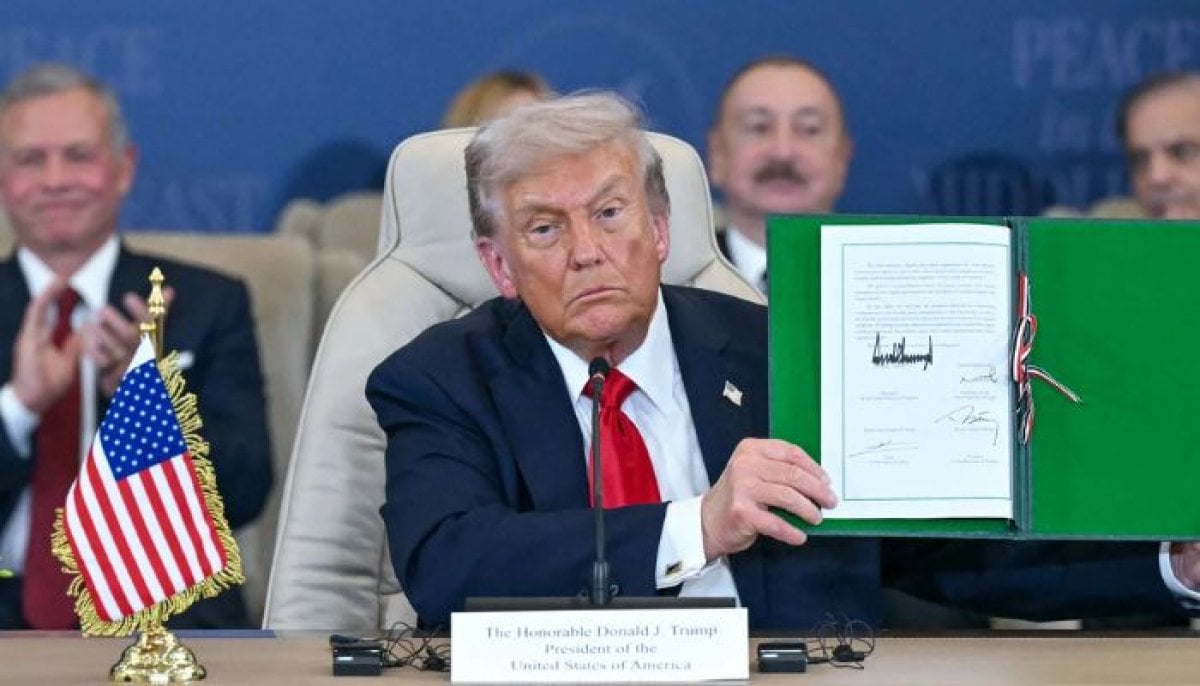 Trump’s Gaza Board of Peace seeks to grant itself total immunity and free use of property: Here’s why
-
 Apple speeds up software updates amid AI-driven cybersecurity threats
 -
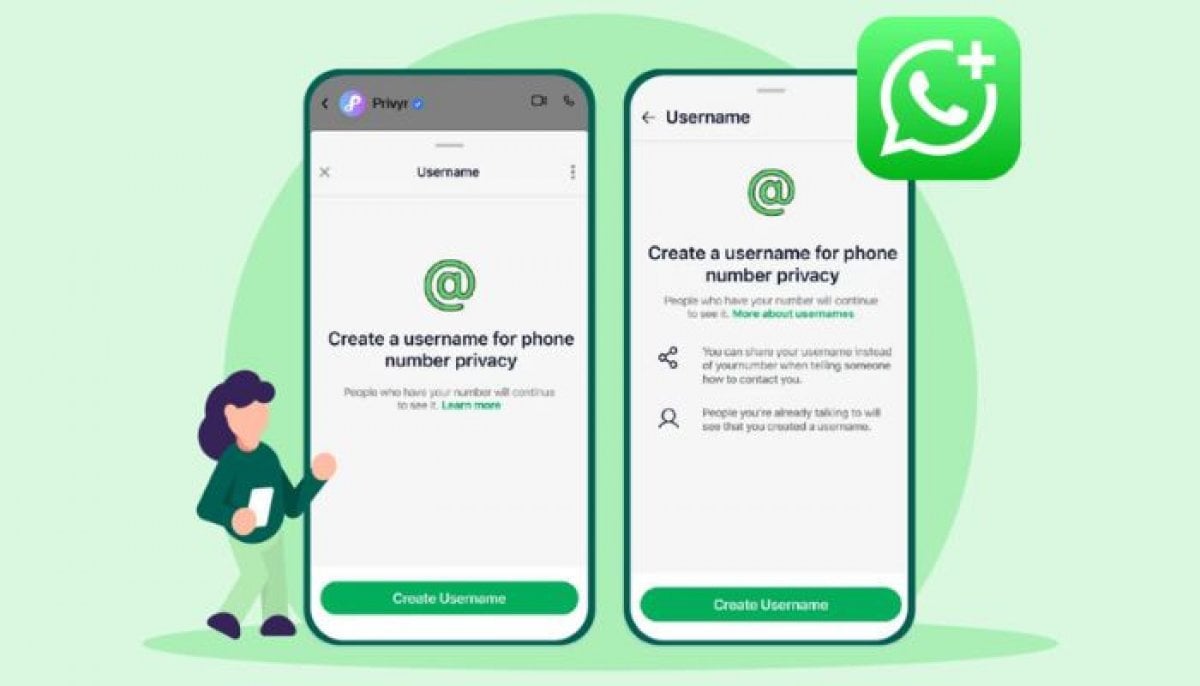 WhatsApp will now let you chat without sharing your phone number
 -
 Trillionaire Elon Musk celebrates birthday with rocket-themed cake
 -
 Breaking: Is Minecraft down? Several users report outages
 -
 Europe's heatwave puts AI data centres under pressure
 -
 US plans to build world's first fault-tolerant quantum computer: Check details
 -
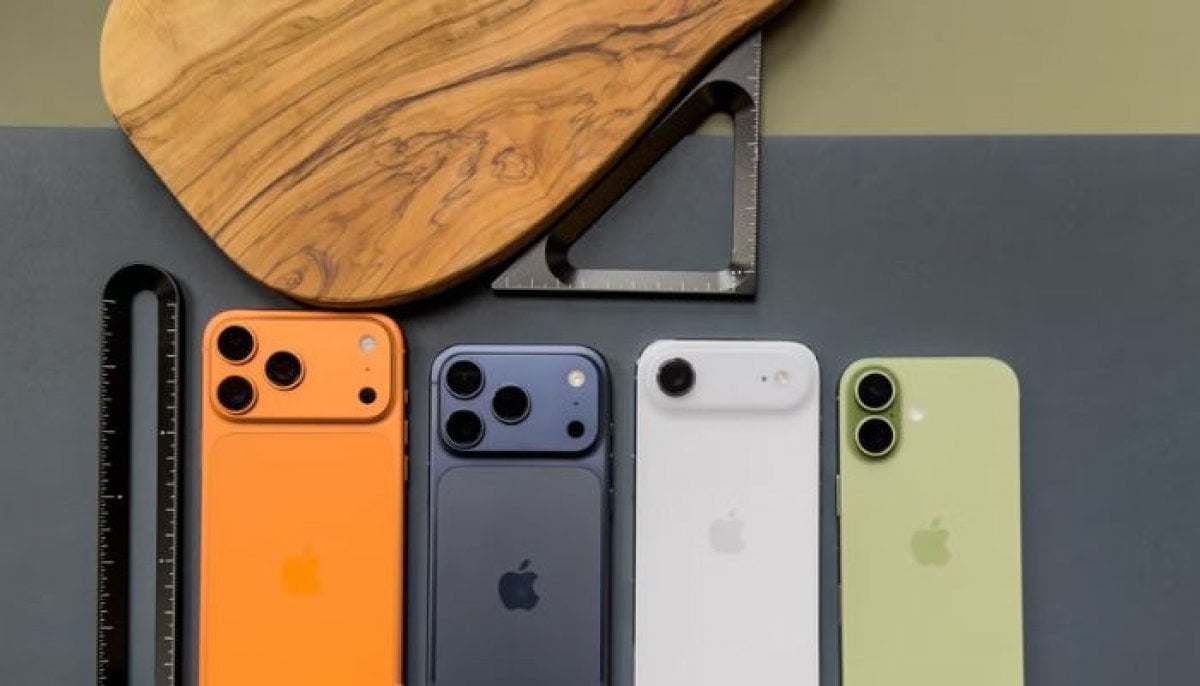 Base iPhone 18 likely to feature 9GB RAM, leak suggests
 -
 South Korea plans massive $576bn AI-chip bet to challenge global rivals