Goldman Sachs says no to monitoring employee AI use
Goldman's CIO Marco Argenti focuses on team performance and velocity instead of individual monitoring, contrasting sharply with JPMorgan

While JPMorgan monitors dashboards tracking tens of thousands of individual employees' AI activities and Meta installs keystroke-monitoring software on US computers, Goldman Sachs is taking the opposite approach.
In his role as CIO, Marco Argenti, who directs a team of 12,000 engineers, is clearly against individual monitoring and prefers to use velocity to gauge how fast developers go from ideation to production. There is no denying that Argenti’s approach is based on a completely different ideology when it comes to the management of AI implementation within corporate environments.
"If you look at the individual, you are really missing the forest for the trees," he told Business Insider. To make a sports comparison, "It's not just about looking at one player and how they move," he said. Instead, Goldman evaluates teams on how rapidly they empty their queues, develop features, and move their projects from ideation to production.
Goldman discovered a critical insight: initial token consumption increases don't immediately correlate with coding output. Argenti traced this paradox to engineers using AI for planning, writing implementation plans and business requirement documents before writing code.
Once that preparatory phase completes, both token usage and coding output accelerate simultaneously. This threshold knowledge allows Goldman to invest confidently in AI infrastructure without assuming early token spending is wasteful.
Engineers at Goldman have moved from scepticism to enthusiasm, Argenti said. Rather than PowerPoint presentations and six-page documents requiring imaginative interpretation, developers now arrive with working prototypes created in real time using AI.
"You kind of '3D print' software," Argenti said, describing how meeting participants can request changes that engineers implement instantly.



-
 New Zealand social media ban: Main opposition Labour backs under-16 bill
 -
 Twitch, Amazon face lawsuit over using streams to train AI
 -
 Thomson Reuters turns to Chinese AI as Claude costs rise
 -
 UK demands social media action over viral wrong-way driving trend
 -
 Xiaomi launches XRing O3 chip, partners with TSMC for production: Report
 -
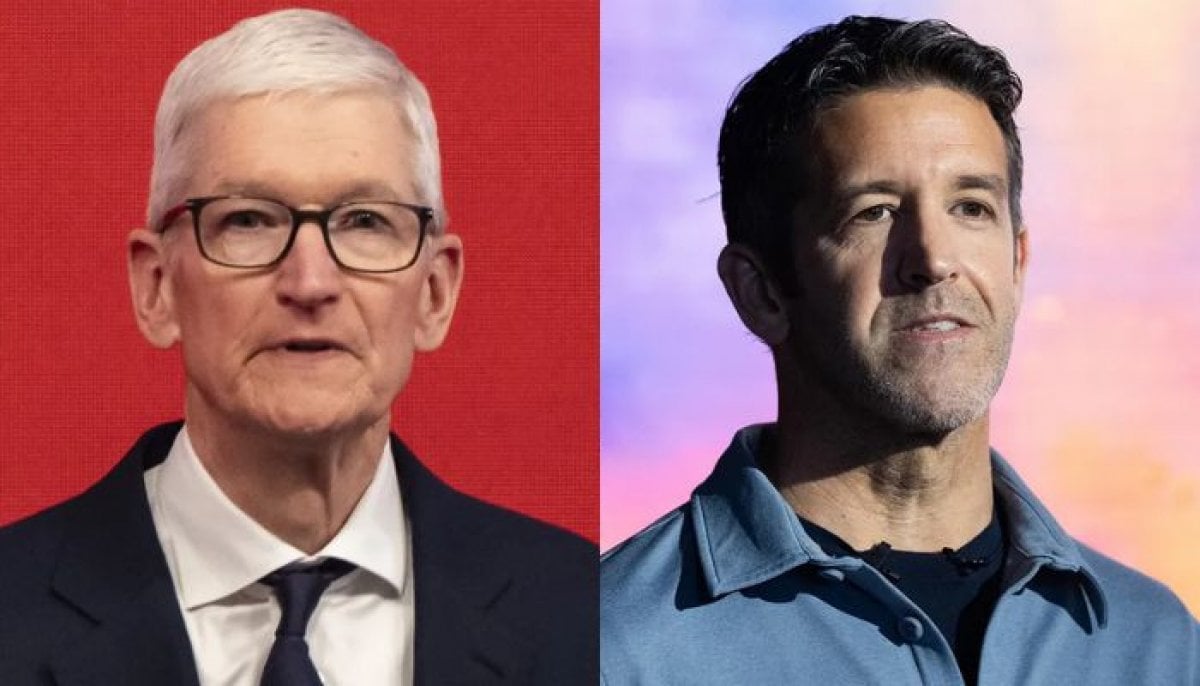 Apple's 15-year Cook era ends this week
 -
 Why silicon valley’s vision of AI future should worry you
 -
 YouTube Premium prices to rise up to 15% from September