Is ChatGPT dulling your brain? Scientists warn
New studies reveal AI overuse may weaken memory, creativity, and focus
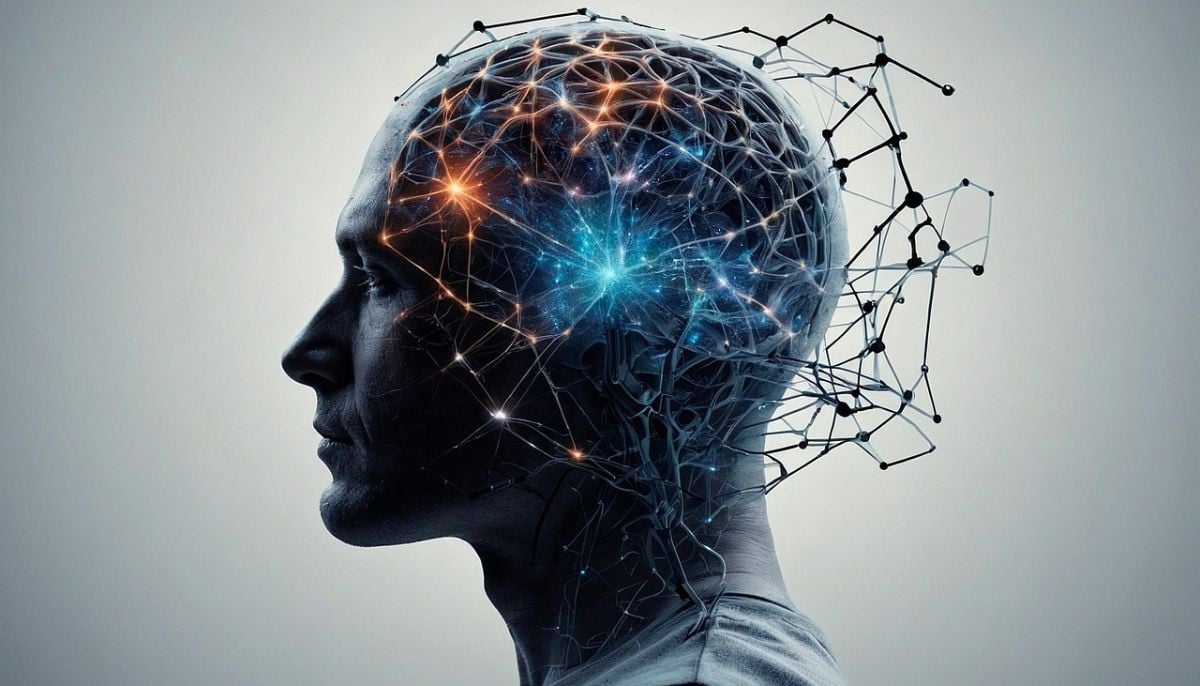
Students who use ChatGPT frequently score significantly worse on standard critical thinking tests, and surveys of 494 students found heavier AI users reported more memory loss.
A growing body of research suggests that offloading mental labour to chatbots may weaken the very cognitive skills humans need to think deeply, create originally, and remember what matters.
Adam Green, professor of neuroscience and director of the Laboratory for Relational Cognition at Georgetown University, warns that outsourcing cognitive tasks damages the brain's capacity to perform them.
"If you are not doing as much of the actual thinking, then your capability to do that kind of thinking is going to atrophy," Green says. The precedent already exists: GPS users stop building mental maps, and their spatial memory declines; search engines weaken our ability to retain information because retrieval requires no effort.
AI has become the most advanced form of an outsourcing tool, thus making it more risky. The aspect that worries Green the most is the "trade of process for product".
While AI gives you the essay, the perfect delivery, and the perfect joke, your mind doesn't get the experience of going through the process of working things out.
Cognitive surrender is a term coined by researchers from the University of Pennsylvania, which describes the tendency of humans to accept the information given by the AI system even when it is evidently incorrect.
Microsoft Research discovered that the risk becomes greater when you lack knowledge in the subject area; if you can’t determine whether AI-generated content is correct, you’re the most likely to accept it without a second thought.
Carnegie Mellon University PhD candidate Hank Lee suggests coming up with a preliminary conclusion yourself before seeking AI’s opinion. Thus, chatbots will test your reasoning rather than become substitutes for it.
University of Oakland emeritus professor of engineering Barbara Oakley studies brain functioning during the learning process and reveals one efficient method—friction. Handwriting notes is the best approach to using AI to gain crucial knowledge.


-
 Surface Ultra likely to launch at Microsoft October event: What to expect
 -
 Claude can now edit your Google Docs without leaving file
 -
 Jamie Dimon warns Anthropic Mythos sent AI cyber risk up ‘10-fold’
 -
 US politician slams Sam Altman over 'accept some bad things happening' remark
 -
 Italy antitrust regulator opens investigation into AI music startup Suno
 -
 Smart glasses face bans over privacy concerns: Full list of countries
 -
 Mistral AI new model beats Chinese competitors in cybersecurity, claims CEO
 -
 UK regulator probes Meta over child safety risks in Instagram's 'Instants' feature
-
 OpenAI admits ‘not good enough’ response to Australia government hacks
 -
Meta, TikTok and X challenge UK watchdog over safety data: What to know
-
Norway proposes temporary ban on AI glasses in public spaces over privacy fears
-
OpenAI CEO Sam Altman argues global society must accept AI downsides to secure technological benefits