Can AI win an Oscar? The academy has finally answered
Oscars' new AI acting rules bar any performance not "demonstrably performed" by a human, direct response to AI completing Val Kilmer's final role
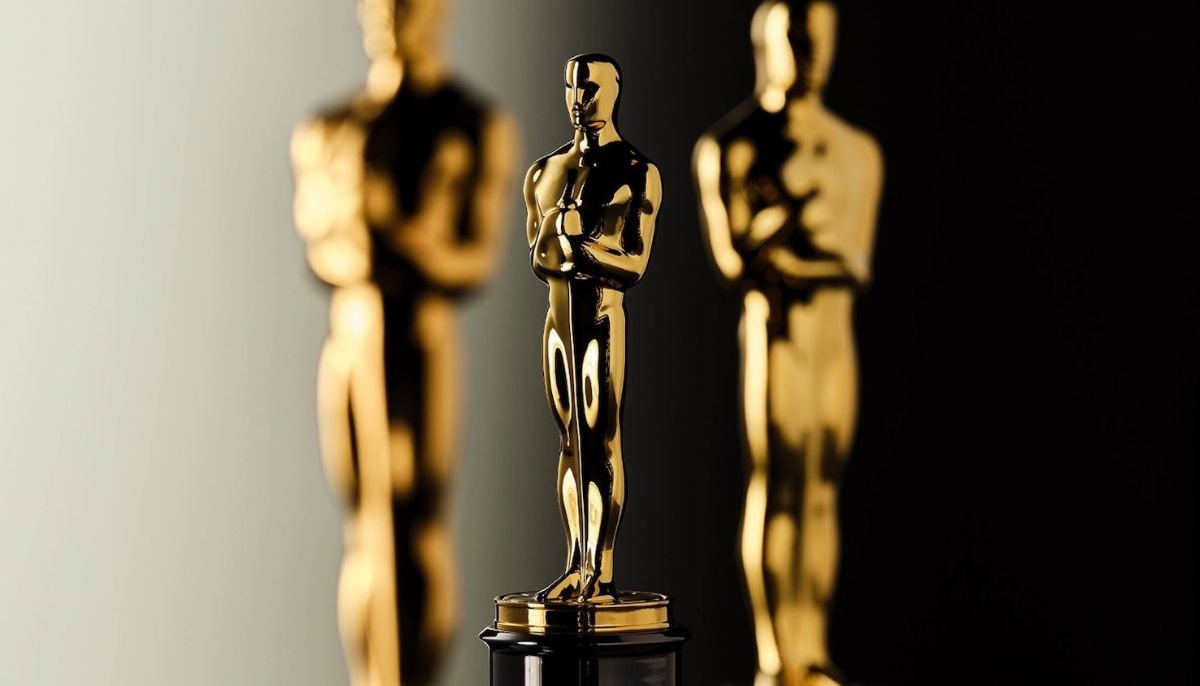
When Val Kilmer died in April 2025 with a film unfinished, producers turned to AI to complete his performance. The Academy of Motion Picture Arts and Sciences watched and then rewrote its rulebook. What emerged last Friday wasn't just a policy update. It was the first time in Oscar history that the Academy drew a legal line between a human performance and a machine-generated one.
The awards AI completion of Kilmer's final role raised a question nobody had prepared for: if technology reconstructs a performance using a deceased actor's likeness and voice, does that qualify for acting honours?
Only performances "demonstrably performed" by a human, with their documented consent, are now eligible for acting Oscars. The Academy also reserved the right to request production documentation proving how AI was used on any film entering contention.
The consent clause matters as much as the human requirement. Studios can no longer use a living actor's archived voice or face, even legally licensed, without their explicit approval for that specific production.
The acting and writing restrictions currently exist because production companies now use AI technology as their standard operating procedure. The 2024 and 2025 major film releases employed AI technology for dialogue creation and de-ageing and voice replication, which resulted in uncertain creative authorship.
The Academy established an eligibility requirement which mandates that all candidates must prove they originated from human beings and received consent for their submission. The Academy established an audit requirement which all agents, guilds, and entertainment lawyers now use as a standard during contract talks that extend beyond award season.
The writing awards only accept screenplays which human authors created because major studios currently debate the validity of AI-produced scripts that exist in their development processes.
The new rule allows actors to receive multiple nominations within the same category because it removes the previous restriction which permitted performers to compete with only their best performance.
The best international feature award will now recognise directors by their personal names because this practice has operated for more than 40 years to hide the individual artistic contributors. Norwegian director Joachim Trier won this year's award for Sentimental Value, but the trophy technically went to Norway.


-
 US orders immediate removal of DeepSeek AI from federal systems over national security risks
 -
 Microsoft employee reveals 'truth' about AI at Xbox amid gaming industry backlash
 -
 Your phone may have malware: Here’s how you can check
 -
 Anthropic pledges 5% of shares to new public benefit fund ahead of IPO to shape AI goals
 -
 Google Messages live location may soon show traffic jams
 -
 Can Europe wean itself off US rockets? Creotech CEO weighs in
 -
 Apple's iPhone Duo launch strategy was 'major mistake', Bloomberg’s Gurman says
 -
 WhatsApp tests new iPhone browser to open links inside app