Korean theatre to use AI glasses to reach global audiences
AI-powered subtitle glasses are helping K-theatre cross language barriers
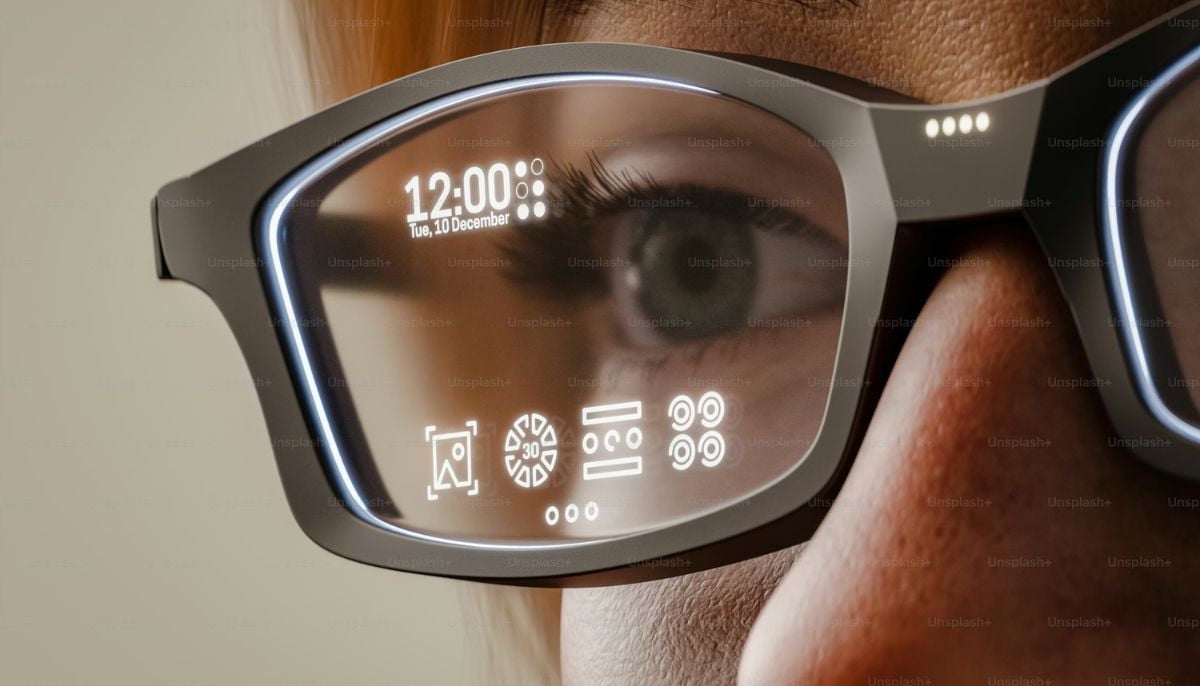
Korea's government has earmarked $18 million in funding for Korean musicals this year, a $14 million jump from 2025, and a pair of AI-powered glasses may be the technology that turns that investment into a genuine global cultural force.
These glasses, known commercially as Owl, have been invented by Xpert Inc., which is a Korean startup, and are connected via a mobile phone application to show translated subtitles in real time.
How do AI glasses work?
The audiences can select the language from amongst Korean, English, Japanese, and Chinese and set the size and location of text on the lens.
Owl's differentiating factor, however, lies in its artificial intelligence. Instead of having a person manually activate lines of the script, the system responds to spoken cues and synchronises the translated version instantly. When everything goes smoothly, what viewers see translates to never taking their eyes off the stage while getting the full narrative.
In Taipei, Yuroy Wang, a 22-year-old retail employee, wore the glasses during a tour performance of The Second Chance Convenience Store, an adaptation of a bestseller in Korea.
Even with some hiccups, he said he would try the glasses again. Viewers at Seoul's performances had comparable feedback, finding the idea innovative yet experiencing synchronisation problems and spontaneous speech that was faster than the machine could process.
Xpert Inc. is already responding. A lighter model designed to sit more comfortably over prescription glasses is rolling out this spring, with improved translation accuracy as the company's stated next priority.
The timing is not accidental. The Korean musical Maybe Happy Ending made its way to Broadway in 2024 and won six Tony Awards, sending a clear message that even Korean theatre can perform on the world’s largest stages. Investors have taken note, and financial support from the government has been forthcoming.
However, not all producers are holding out for a call from Broadway in English. Hwang Ki Hyun of Project Jiwoo has declined two invitations to present The Second Chance Convenience Store in translation, opting instead for the belief that audiences outside Korea want Korean productions in their native tongue, with technology helping to overcome any barriers.
Professor Sarah Bay-Cheng of the University of Toronto highlighted the example of BTS fans who go out of their way to listen to Korean-language music as proof that the demand is there.



-
 Apple speeds up software updates amid AI-driven cybersecurity threats
 -
 WhatsApp will now let you chat without sharing your phone number
 -
 Trillionaire Elon Musk celebrates birthday with rocket-themed cake
 -
 Breaking: Is Minecraft down? Several users report outages
 -
 Europe's heatwave puts AI data centres under pressure
 -
 US plans to build world's first fault-tolerant quantum computer: Check details
 -
 Base iPhone 18 likely to feature 9GB RAM, leak suggests
 -
 South Korea plans massive $576bn AI-chip bet to challenge global rivals