Merriam-Webster sues OpenAI over ChatGPT training data
Lawsuit also seeks damages and restrictions on how AI models use copyrighted material
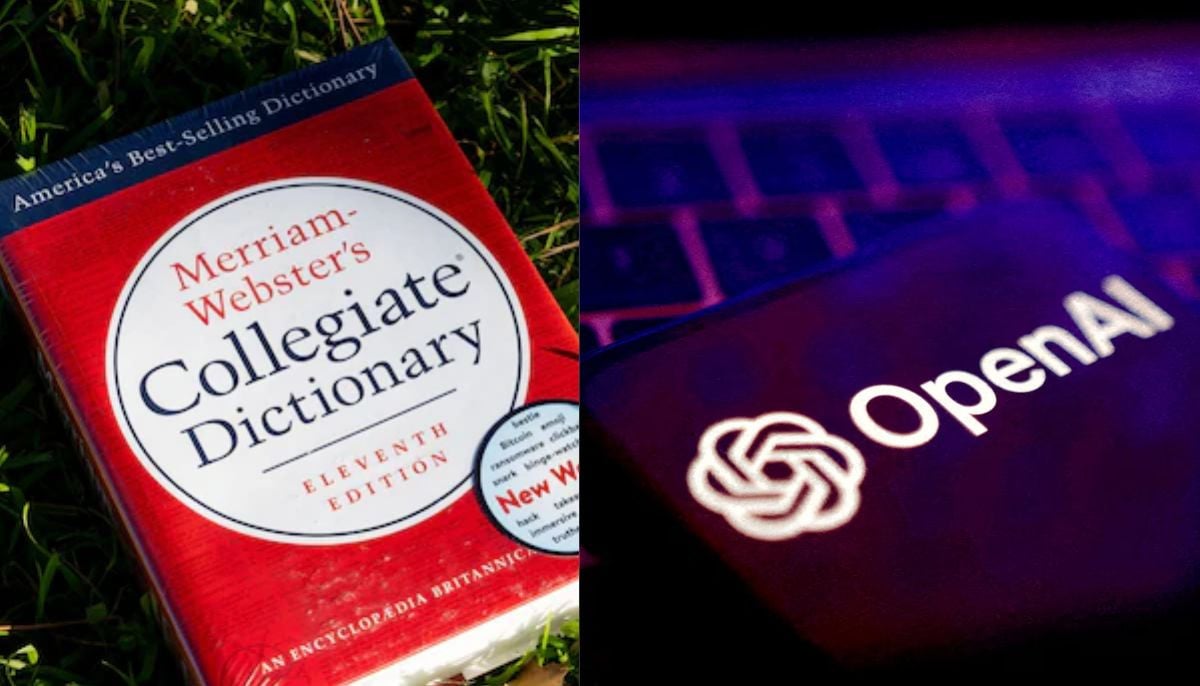
A big legal fight is currently underway in the AI sector as the world's biggest dictionary publisher, Merriam-Webster, and its parent company, Encyclopaedia Britannica, sue OpenAI on grounds of copyright infringement by using their content in training its ChatGPT.
In the lawsuit filed in court this week, it is claimed that more than 100,000 articles, dictionary content, and encyclopaedia content were copied and then utilised in training its AI model.
In addition, it has been claimed that OpenAI has been involved in large-scale copying and has utilised copyrighted material in training its AI model and has also produced content that looks almost identical to the original content. The publishers argue this has impacted their traffic and undermined their business model.
As claimed by the lawsuit, ChatGPT may, on occasion, “provide verbatim or near-verbatim” responses, depending on content from Merriam-Webster. This, according to the publishers, enables users to access content without visiting their platforms, thereby reducing their audience base.
The publishers have claimed that AI-generated summaries may be incomplete and incorrect, especially when content is cut and altered. This, as claimed by the lawsuit, may result in misleading content, raising concerns about AI’s reliability and hallucinations.
The lawsuit is raising a significant concern for the AI industry, where companies rely on large datasets for AI models.
Merriam-Webster and Encyclopaedia Britannica have sought financial damages and have requested a court order against OpenAI, seeking to stop them from engaging in these practices.


-
 Could AI be conscious? Why Anthropic is turning to the Vatican
 -
 Why Apple CEO John Ternus is taking a hands-on approach to design
 -
 New Open AI model could change the global AI race: Here’s how
 -
 Sam Altman faces new legal risks as OpenAI uncovers hacks
 -
 WhatsApp Channels are moving to your chats tab: What to expect
 -
 6 climate tech startups win funding as AI draws investors
 -
 OpenAI safety leader who led 12 launch reports quits
 -
 South Korea bank data breach: Same hacker behind 7 attacks?