16 files disappeared from DOJ documents, survivors anxious about next Epstein' release
Unexplained missing files fueled speculations online about what was taken down and why the public was not notified
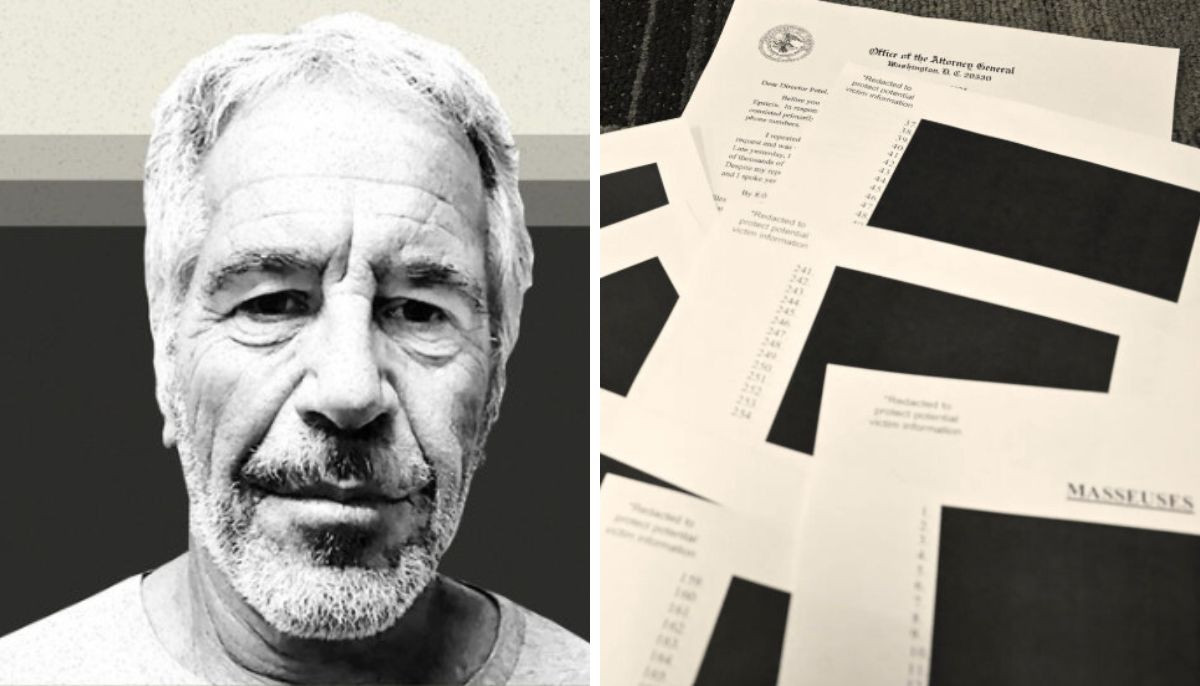
Almost 16 Jeffrey Epstein-related files abruptly disappeared from the Department of Justice DOJ’s public website within a day of their release.
As reported by AP, the missing files, which were available Friday December 19,2025 and no longer accessible by Saturday, included images of paintings depicting nude women, and one showing a series of photographs along a credenza and in drawers.
In that image, inside a drawer among other photos, was a photograph of Trump, Melania Trump and Epstein’s longtime associate Ghislaine Maxwell.
The Justice Department didn’t answer questions Saturday about why the files disappeared but said in a post on X that “photos and other materials will continue being reviewed and redacted consistent with the law in an abundance of caution as we receive additional information.”
Moreover, the unexplained missing files fueled speculations online, about what was taken down and why the public was not notified, compounding long-standing intrigue about Epstein and the powerful figures who surrounded him.
Democrats on the House Oversight Committee also pointed to the missing image featuring a Trump photo in a post on X, writing: “What else is being covered up? We need transparency for the American public.”
The episode deepened concerns that had already emerged from the Justice Department’s much-anticipated document release.
Tens of thousands of pages from files made public offered little new insight into Epstein’s crimes or the prosecutorial decisions that allowed him to avoid serious federal charges for years, while omitting some of the most closely watched materials, including FBI interviews with victims and internal Justice Department memos on charging decisions.
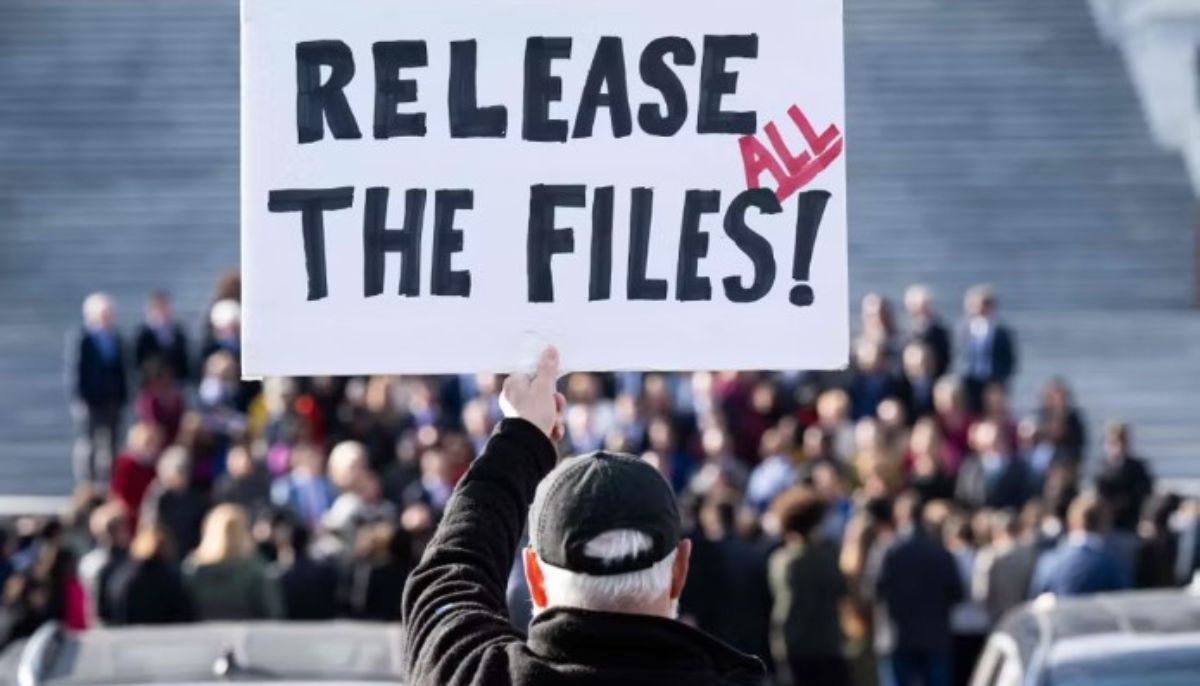
Some of the most consequential records expected about Epstein are nowhere to be found in the Justice Department's initial disclosures.
Missing files include FBI interviews with survivors and internal Justice Department memos examining charging decisions.
It also included records that could have helped explain how investigators viewed the case and why Epstein was allowed in 2008 to plead guilty to a relatively minor state-level prostitution charge.
The records, required to be released under a recent law passed by Congress, hardly reference several powerful figures long associated with Epstein, including Britain’s former Prince Andrew, renewing questions about who was scrutinized, who was not, and how much the disclosures truly advance public accountability.
The releases so far have been heavy on images of Epstein’s homes in New York City and the U.S. Virgin Islands, with some photos of celebrities and politicians.
There was a series of never-before-seen photos of former President Bill Clinton, but fleetingly few of Trump. Both have been associated with Epstein, but both have since disowned those friendships.
Also, none of them has been accused of any wrongdoing in connection with Epstein and there was no indication the photos played a role in the criminal cases brought against him.
Additionally, the release of thousands of pages of documents related to the late sex offender Jeffery Epstein’s abuse has left victims disappointed.
The documents' release was prompted by an act of Congress that directed the US Department of Justice DOJ to make materials related to Epstein's crimes public.
While some documents have numerous redactions, others have not been shared publicly at all.
Furthermore, the lawmakers who pushed for these documents have said the release is incomplete and described the DOJ's efforts as insincere.
Some legal experts also warned that the breadth of redaction may only fuel ongoing conspiracy theories.
Deputy US Attorney Todd Blanche said on Friday—the day the materials were released—the department identified more than 1,200 Epstein victims or their relatives and withheld material that could identify them.


-
 New York Knicks add James Wiseman and Bruce Brown ahead of NBA training camp
 -
 Eight charged after police dismantle massive illicit cannabis grow operation in Ontario
 -
 Trump grant cuts hit health, disaster relief and education across US, analysis finds
 -
 Max Domi to miss Maple Leafs training camp amid complications from surgery
-
 Ex-FBI agent cites 'a lot of proof' suggesting Nancy Guthrie is dead
 -
Eight charged after police dismantle massive illicit cannabis grow operation in Ontario
-
Trump grant cuts hit health, disaster relief and education across US, analysis finds
-
 EU plans total social media ban for under 13s as von der Leyen targets big tech
 -
 Pete Hegseth impeachment vote put on hold after House cuts session short
 -
 EU to launch Climate Insurance Alliance to close growing protection gap after extreme temperatures
 -
 US interest rates rise as Fed signals another hike could be coming this year
 -
 Police recover body from pond after massive search for missing Noah Woods