India cuts tax on daily essentials to spur demand amid US tariffs
Federal, state govts estimated to lose $5.49bn due to the cuts that will be implemented from September 22
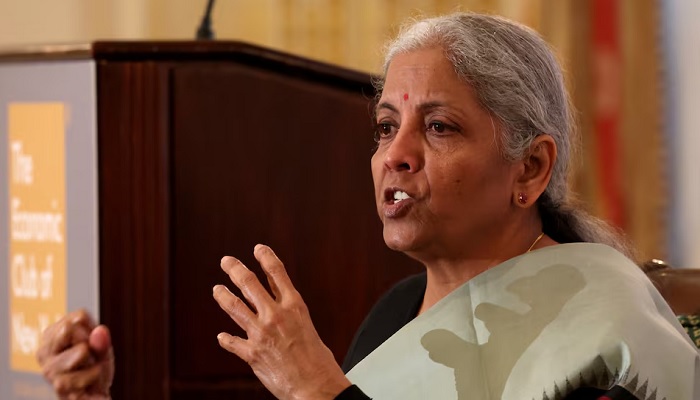
Indian Finance Minister Nirmala Sitharaman announced sweeping cuts to the goods and services tax (GST) on Wednesday, targeting hundreds of everyday products, from soap and toothpaste to small cars and televisions, in an attempt to fire up local demand as US tariffs weigh on the economy.
The goods and services tax panel approved lowering taxes on everyday items and simplifying their structure, Sitharaman, who heads the panel that includes ministers from all states, told a late-night press conference.
The GST was criticised for its complicated structure and numerous tax categories. To simplify this, the panel approved the two-rate structure of 5% and 18%, instead of the four rates currently.
Sitharaman said the panel approved cuts in consumer items such as toothpaste and shampoo to 5% from 18%, and on small cars, air conditioners, and televisions to 18% from 28%.
She said the GST will be removed from all individual life insurance policies and health insurance.
Federal and state governments are estimated to lose 480 billion Indian rupees ($5.49 billion) due to the cuts that will be implemented from September 22, the first day of the Hindu festival of Navratri.
Coupled with cuts in personal tax unveiled in February, the GST reductions are expected to boost consumption in the South Asian nation, whose economy grew at an unexpectedly higher pace of 7.8% in the quarter to June.
"The consumption boost in lieu of the GST rate rationalisation will more than neutralise any possible revenue impact," said Soumya Kanti Ghosh, chief economist at SBI.
"The impact on fiscal deficit will be almost insignificant or even positive."
The panel approved a tax of 40% on "super luxury" and "sin" goods such as cigarettes, cars with engine capacity exceeding 1,500 cubic centimetres, and carbonated beverages, the minister said.
The move is expected to boost sales of fast-moving consumer goods firms such as Hindustan Unilever and Godrej Industries, and consumer electronics companies such as Samsung Electronics, LG Electronics, and Sony. Automakers such as Maruti, Toyota Motor, and Suzuki Motor are expected to be big winners.
The rush to cut the tax was triggered by Prime Minister Narendra Modi's call for greater self-reliance in India, vowing last month to lower the GST by October to counter the US tariffs of up to 50%.
After the tax cuts announced on Wednesday, Modi said, "The wide-ranging reforms will improve the lives of our citizens and ensure ease of doing business for all, especially small traders and businesses."


-
 China issues new guidelines for government agencies to mitigate AI job displacement
 -
 US tech stocks tumble as AI spending jitters spark market sell-off
 -
 Anthropic partners with Hg to launch European AI consultancy
 -
 OpenAI partners with Google Cloud to sell flagship AI models to enterprises
 -
 Tesla drops as spending cuts raise questions about AI and robotics plans
 -
 Barclays to cut 5,000 jobs as AI reshapes banking
 -
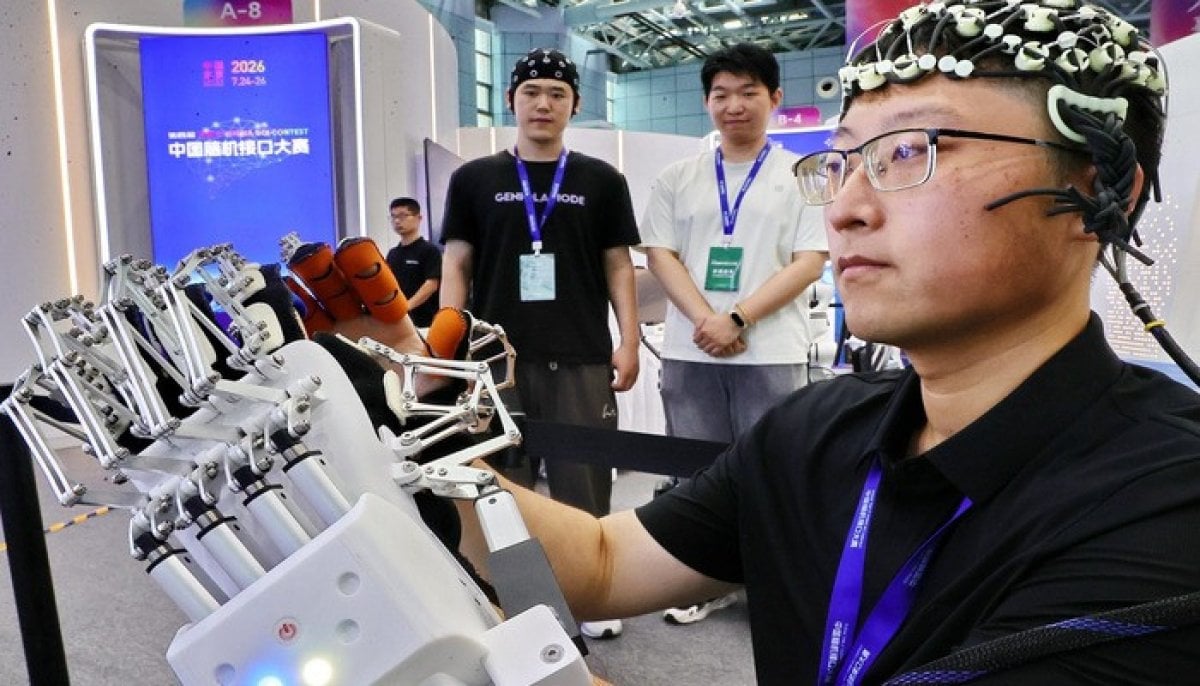 China's brain-computer interface market could reach $920m by 2028
 -
 Bombardier shares rise as Trump drops threat to block aircraft sales in US