Indian exporters scrambling for options to mitigate fallout of Trump's tariffs
US duties threaten to upend low-margin, labour-intensive industries ranging from gems and jewellery to textiles and seafood
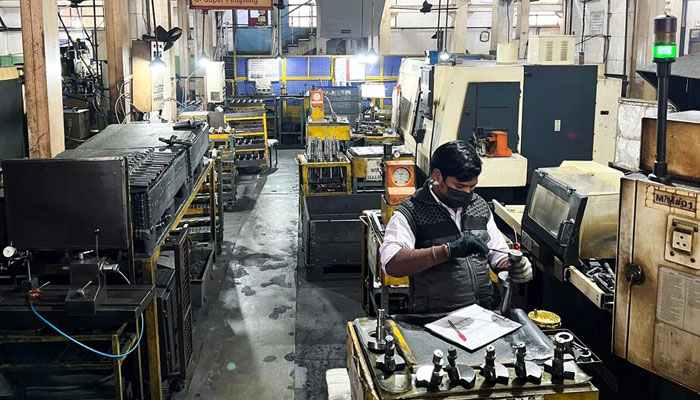
Indian exporters are scrambling for options to mitigate the fallout of US President Donald Trump's threatened tariff salvo against the world's most populous nation.
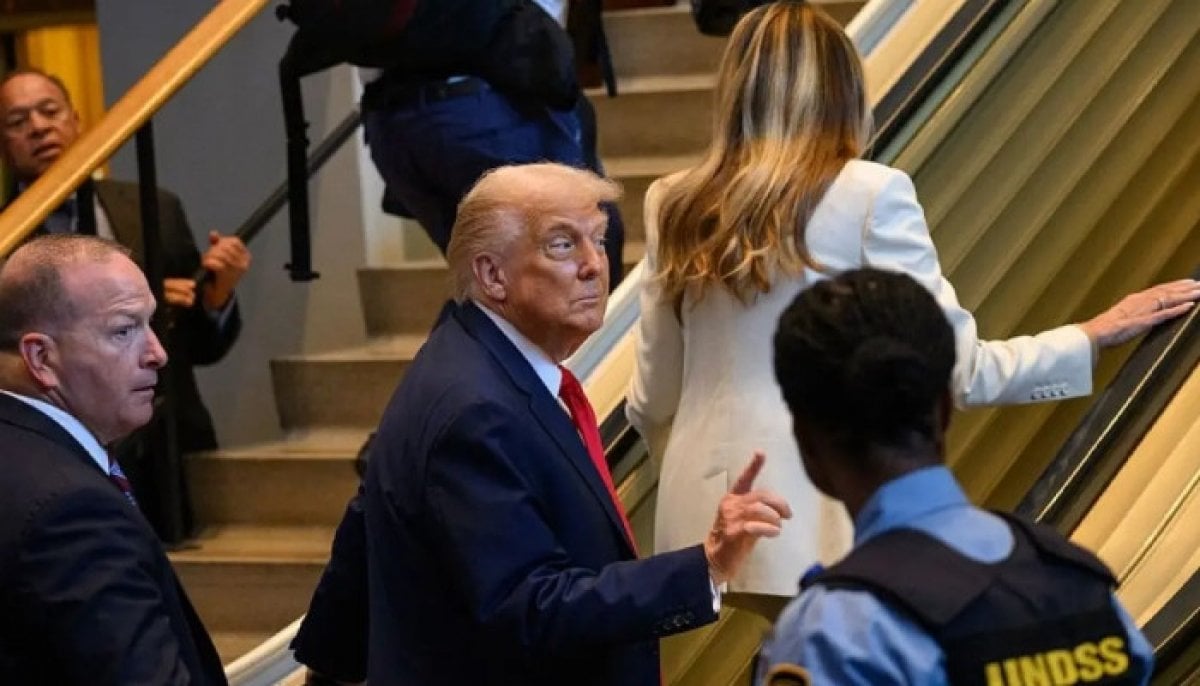
Many warn of dire job losses after Trump said he would double new import tariffs from 25% to 50% if India continues to buy Russian oil, in a bid to strip Moscow of revenue for its military offensive in Ukraine.
"At 50% tariff, no product from India can stand any competitive edge," said economist Garima Kapoor from Elara Securities.
India, one of the world's largest crude oil importers, has until August 27 to find alternatives to replace around a third of its current oil supply from abroad.
While New Delhi is not an export powerhouse, it shipped goods worth about $87 billion to the United States in 2024.
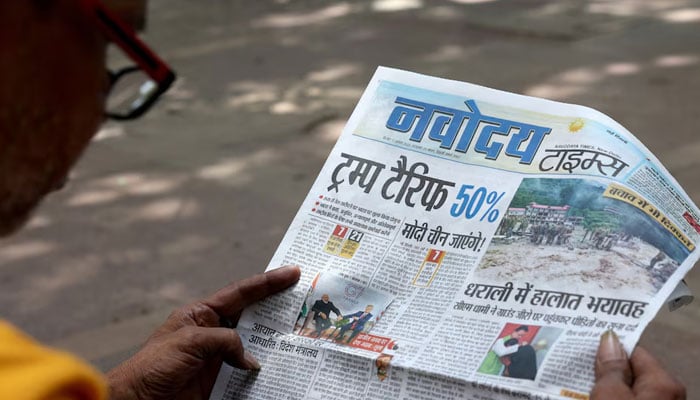
That 50% levy now threatens to upend low-margin, labour-intensive industries ranging from gems and jewellery to textiles and seafood.
The Global Trade Research Initiative estimates a potential 60% drop in US sales in 2025 in sectors such as garments.
Exporters say they are racing to fulfil orders before the deadline.
"Whatever we can ship before August 27, we are shipping," said Vijay Kumar Agarwal, chairman of Creative Group. The Mumbai-based textile and garment exporter has a nearly 80% exposure to the US market.
But Agarwal warned that is merely triage.
Shipping goods before the deadline "doesn´t solve" the problem, he said.
"If it doesn't get resolved, there will be chaos," he said, adding that he's worried for the future of his 15,000 to 16,000 employees.
"It is a very gloomy situation [...] it will be an immense loss of business."
New Delhi in delicate situation
Talks to resolve the matter hinge on geopolitics, far from the reach of business. Trump is set to meet Vladimir Putin on Friday, the first face-to-face meeting between the two countries' presidents since Russia launched its full-scale invasion of Ukraine in February 2022.
New Delhi, with longstanding ties with Moscow, is in a delicate situation.
Since Trump's tariff threats, Prime Minister Narendra Modi has spoken to both Putin and Ukrainian President Volodymyr Zelensky, urging a "peaceful resolution" to the conflict.
Meanwhile, the US tariff impact is already being felt in India.
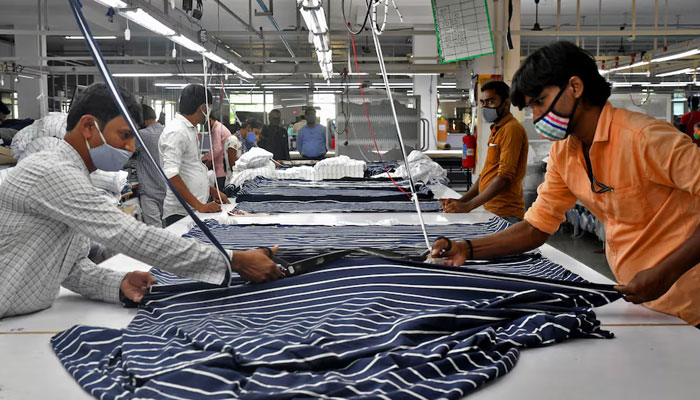
Businesses say fresh orders from some US buyers have begun drying up — threatening millions of dollars in future business and the livelihoods of hundreds of thousands in the world's fifth biggest economy.
Among India's biggest apparel makers with global manufacturing operations, some are looking to move their US orders elsewhere.
Top exporter Pearl Global Industries has told Indian media that some of its US customers asked that orders be produced in lower-duty countries such as Vietnam or Bangladesh, where the company also has manufacturing facilities.
Major apparel maker Gokaldas Exports told Bloomberg it may boost production in Ethiopia and Kenya, which have a 10% tariff.
'Standstill'
Moody's recently warned that for India, the "much wider tariff gap" may "even reverse some of the gains made in recent years in attracting related investments".
India's gems and jewellery industry exported goods worth more than $10 billion last year and employs hundreds of thousands of people.
"Nothing is happening now, everything is at a standstill, new orders have been put on hold," Ajesh Mehta from D Navinchandra Exports told AFP.
"We expect up to 150,000 to 200,000 workers to be impacted."
Gems, and other expensive non-essential items, are vulnerable.
"A 10% tariff was absorbable — 25% is not, let alone this 50%," Mehta added.
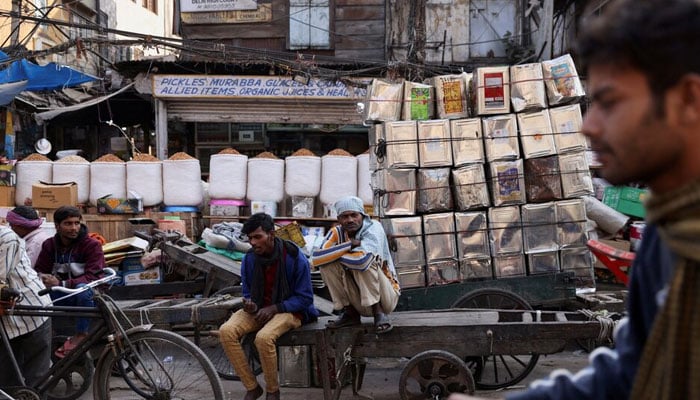
"At the end of the day, we deal in luxury products. When the cost goes up beyond a point, customers will cut back."
Seafood exporters, who have been told by some US buyers to hold shipments, are hoping for new customers.
"We are looking to diversify our markets," says Alex Ninan, who is a partner at the Baby Marine Group.
"The United States is totally out right now. We will have to push our products to alternative markets, such as China, Japan... Russia is another market we are really looking into."
Ninan, however, warns that is far from simple. "You can't create a market all of a sudden," he said.


-
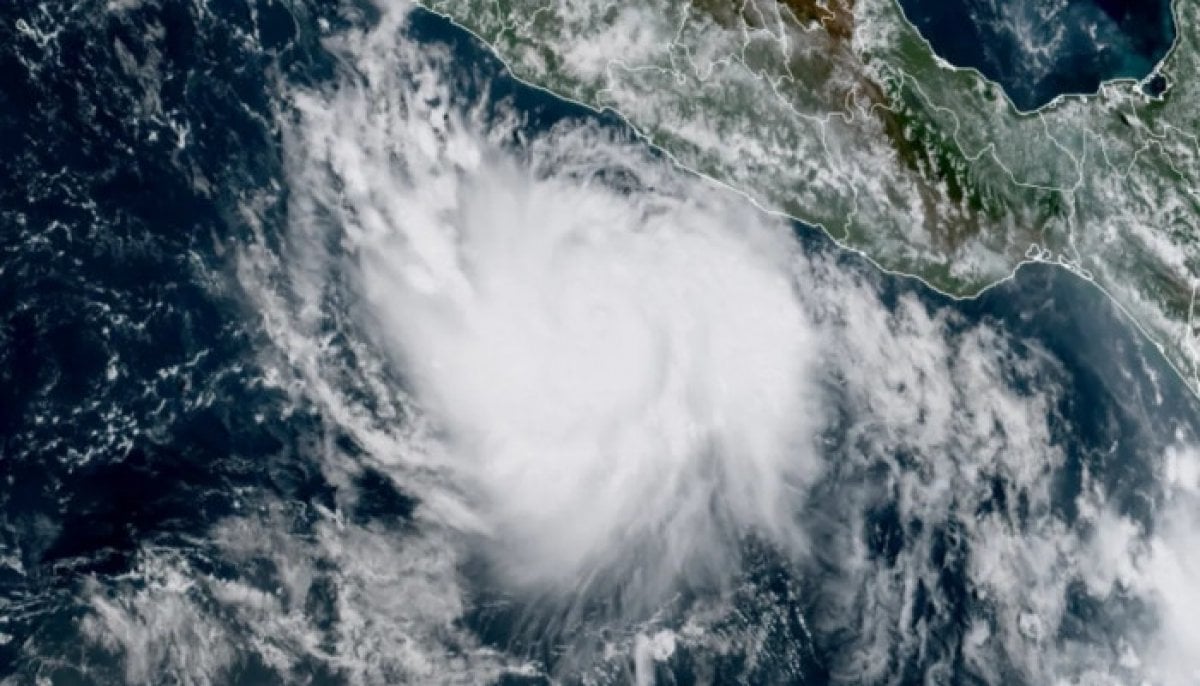 Mexico on alert as Hurricane Polo reaches Category 5 strength
 -
 Tucson police arrest five teens after stolen car incident and recover replica handgun
 -
 Net zero may not end climate inequality for poorer nations, research warns
 -
 Kamala Harris rallies behind progressive Abdul El-Sayed in Michigan Senate battle
 -
 Republican senator calls for investigation into Trump family business dealings: What to know
 -
 Trump insists US weapons stockpile remains strong despite Iran war concerns
 -
 UK PM Andy Burnham refuses to rule out EU rejoin pledge in next Labour manifesto
 -
 US F-16 reportedly crashes near American air base in Germany