1.4 mln girls banned from Afghan schools since Taliban return: UNESCO
2.5m girls deprived of their right to education, representing 80 per cent of Afghan school-age girls, UN says
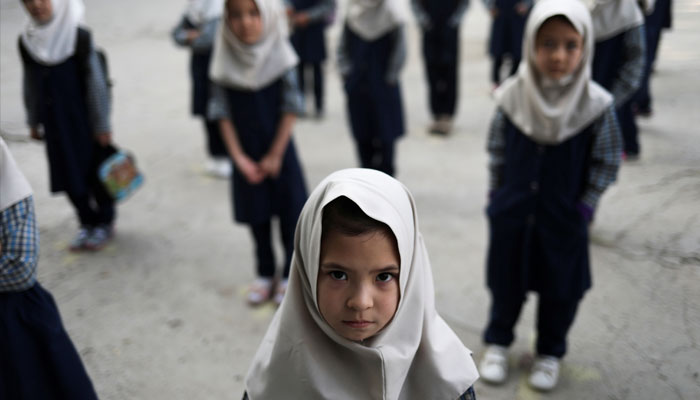
At least 1.4 million girls in Afghanistan have been denied access to secondary education since the Taliban returned to power in 2021, with the future of an entire generation now "in jeopardy", the United Nations' cultural agency said Thursday, AFP reported.
Access to primary education has also fallen sharply, with 1.1 million fewer girls and boys attending school, UNESCO said in a statement as the Taliban authorities marked three years since retaking Afghanistan on August 15, 2021.
"UNESCO is alarmed by the harmful consequences of this increasingly massive drop-out rate, which could lead to a rise in child labour and early marriage," the agency said.
"In just three years, the de facto authorities have almost wiped out two decades of steady progress for education in Afghanistan, and the future of an entire generation is now in jeopardy."
There are now nearly 2.5 million girls deprived of their right to education, representing 80 per cent of Afghan school-age girls, the UN agency said.
The Taliban administration, which is not recognised by any other country, has imposed restrictions on women that the UN has described as "gender apartheid."
Afghanistan is the only country in the world to stop girls and women from attending secondary schools and universities.
"As a result of bans imposed by the de facto authorities, at least 1.4 million girls have been deliberately denied access to secondary education since 2021," UNESCO said.
This represents an increase of 300,000 since the previous count carried out by the UN agency in April 2023.
UNESCO Director-General Audrey Azoulay urged the international community to remain mobilised "to obtain the unconditional reopening of schools and universities to Afghan girls and women."
The number of primary pupils has also fallen. Afghanistan had only 5.7 million girls and boys in primary school in 2022, compared with 6.8 million in 2019, UNESCO said.
The UN agency blamed the drop on the authorities’ decision to ban female teachers from teaching boys and the lack of incentive for parents to send children to school.
Enrolment in higher education is equally concerning, the statement added that the number of university students had decreased by 53 per cent since 2021.
"As a result, the country will rapidly face a shortage of graduates trained for the most highly-skilled jobs, which will only exacerbate development problems," UNESCO said.


-
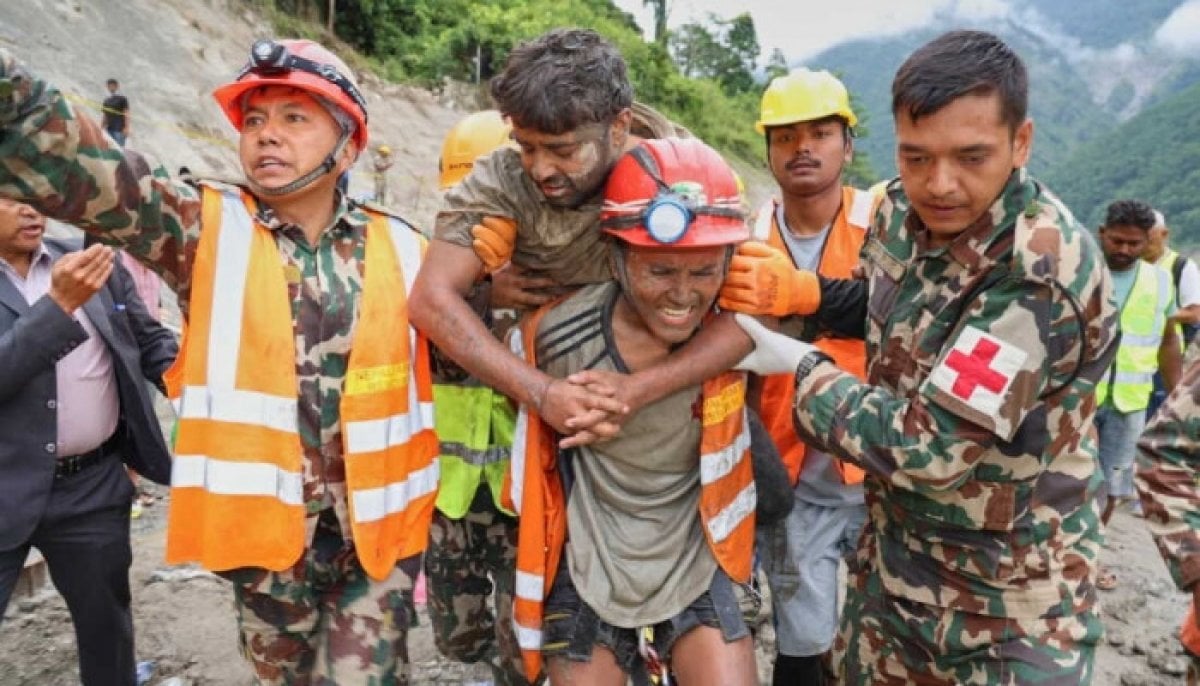 Nepal floods: workers found alive underground after 9 days as rescue continues
 -
 Trump’s push to protect US tech supply chain backfires on Tennessee plant
 -
 Russia hits major Ukrainian government building in heart of Kyiv
 -
 Trump criticises Spain over Ceuta migration crisis and renews NATO attacks
 -
 UK minister urges households to stock up on food as strong El Niño develops over the Pacific
 -
 Major Reform UK leaders step down after allegations of electoral law breach
 -
 Perez Hilton faces huge blow amid his mental health crisis: 'It's deeply traumatic'
 -
 Kremlin responds as Trump envoys plan Russia, Ukraine visits for peace push