Saudi Arabia to build world's largest dark sky reserve for stargazing
Saudi Arabia's Red Sea Global to turn west coast area into tourist hotspot by cutting light pollution to almost zero
In a bid to modernise Saudi Arabia, Crown Prince Mohammad Bin Salman is rapidly transforming the country’s landscape, The National News reported.
From launching futuristic projects such as Neom, to holding its first-ever swimsuit fashion show, the kingdom has come a long way.
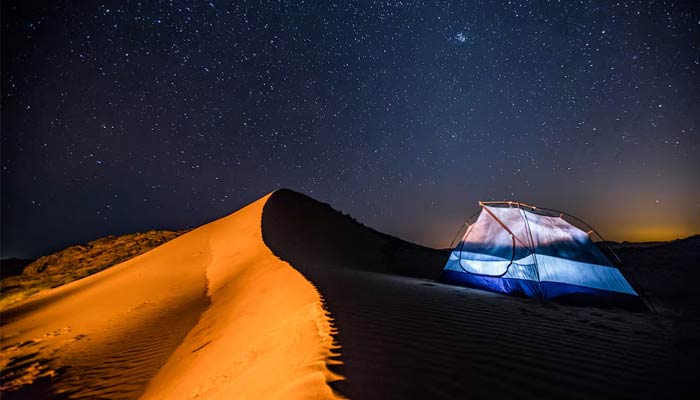
Now the country has unveiled plans to build the world’s largest dark sky reserves under its ambitious regenerative tourism destination project called the Red Sea Global.
Situated on the North-west side of the kingdom, the 28,000 square kilometres coastal region is surrounded by sand dunes and pristine waters.
It is the one of the least light polluted areas in the country.
Associate Director of lights at the red Sea Global, Andres Bates said, "People don't realise how many stars you can see when you are in a very dark environment. The idea of people being able to come to this destination and reconnect with the stars is beautiful, and something most don't get to see in everyday life."
Currently the world’s largest dark sky reserve is the Greater Bend in Texas.
According to data from the World Atlas of Artificial Night Sky Brightness, more than 80% of the world’s population live in places where the night sky can’t truly be seen due to light pollution.


-
 Russia and Ukraine agree to ceasefire, plan November peace talks: What we know so far
 -
 Donald Trump lashes out on 'horrible' reporter, defends viral campaign ad
 -
 Kim Jong Un’s China visit puts North Korea-China ties in focus
 -
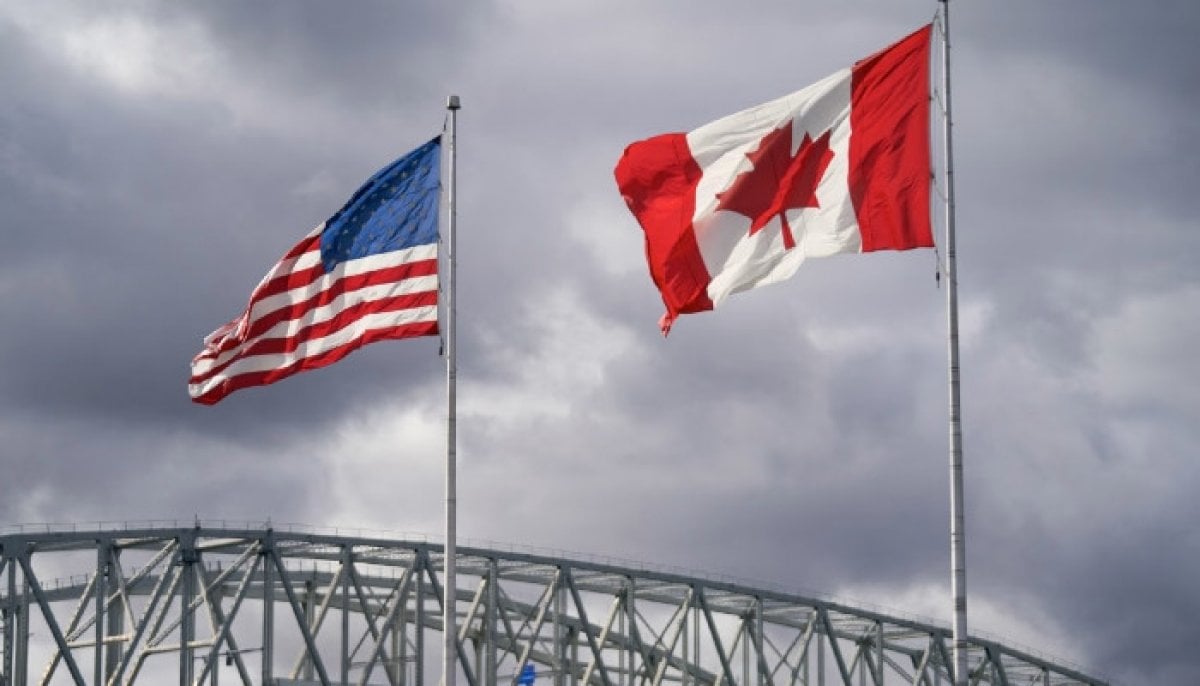 Trump announces new 50 percent tariffs on Canadian goods as Maine Senate race heats up
 -
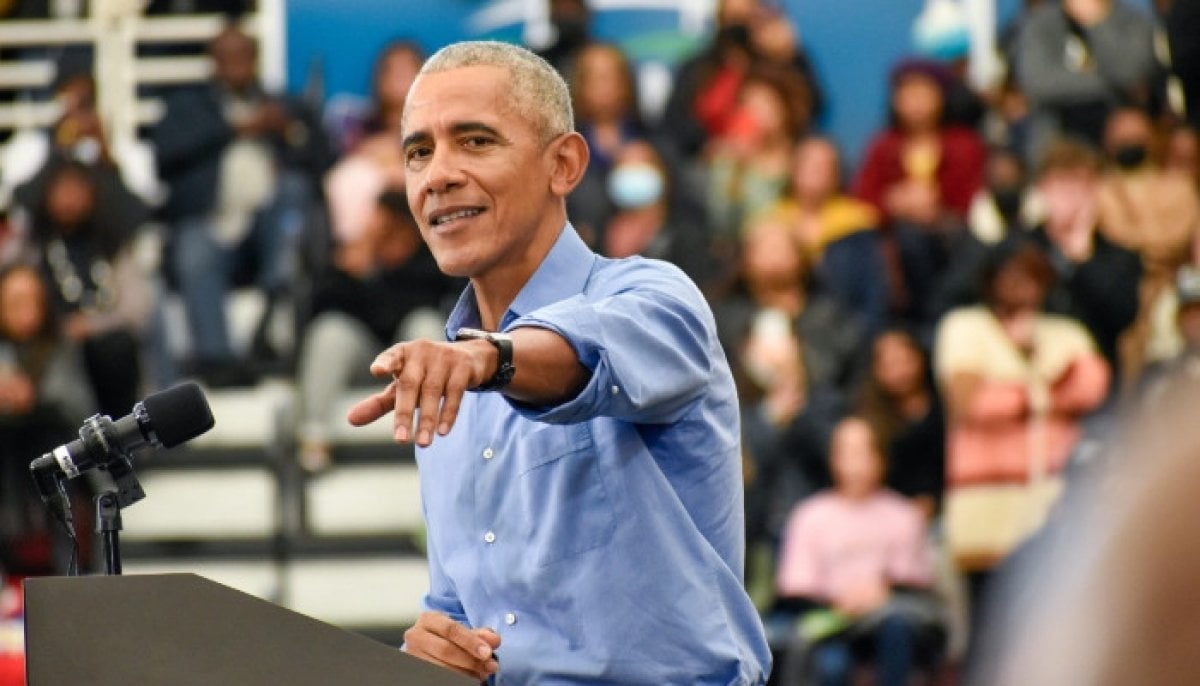 Barack Obama joins Sherrod Brown and Abdul El-Sayed in crucial Senate election battles
 -
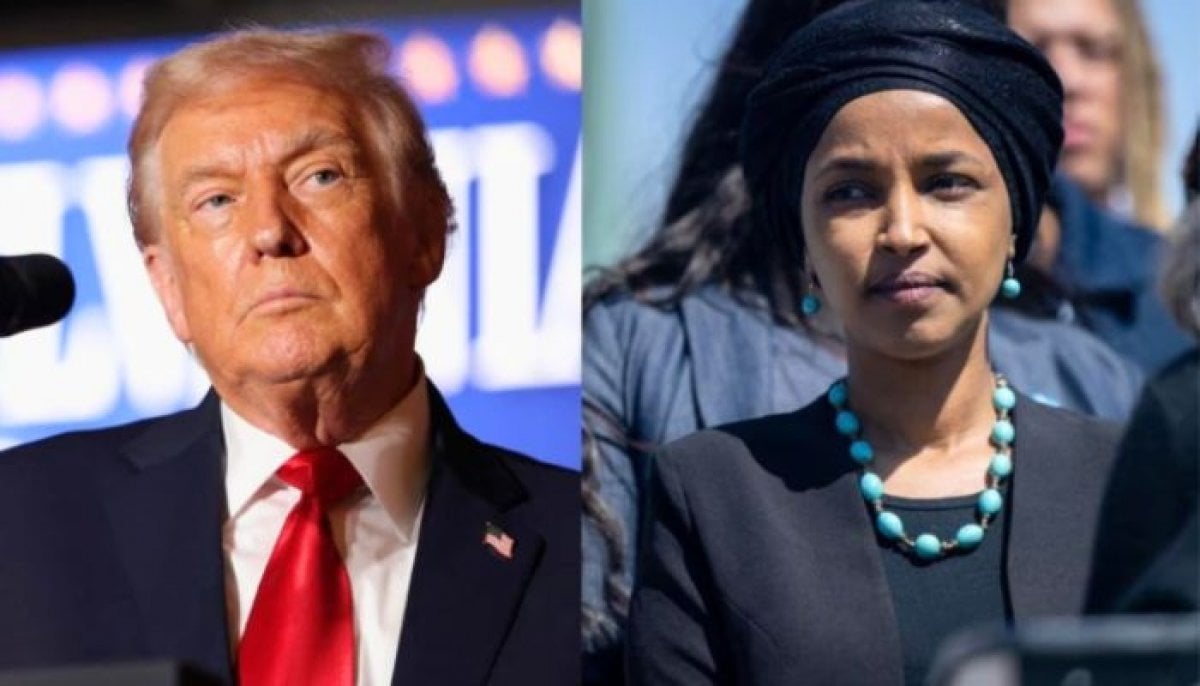 Trump demands Rep. Ilhan Omar resign after DOJ court filing references over 'fake' name
 -
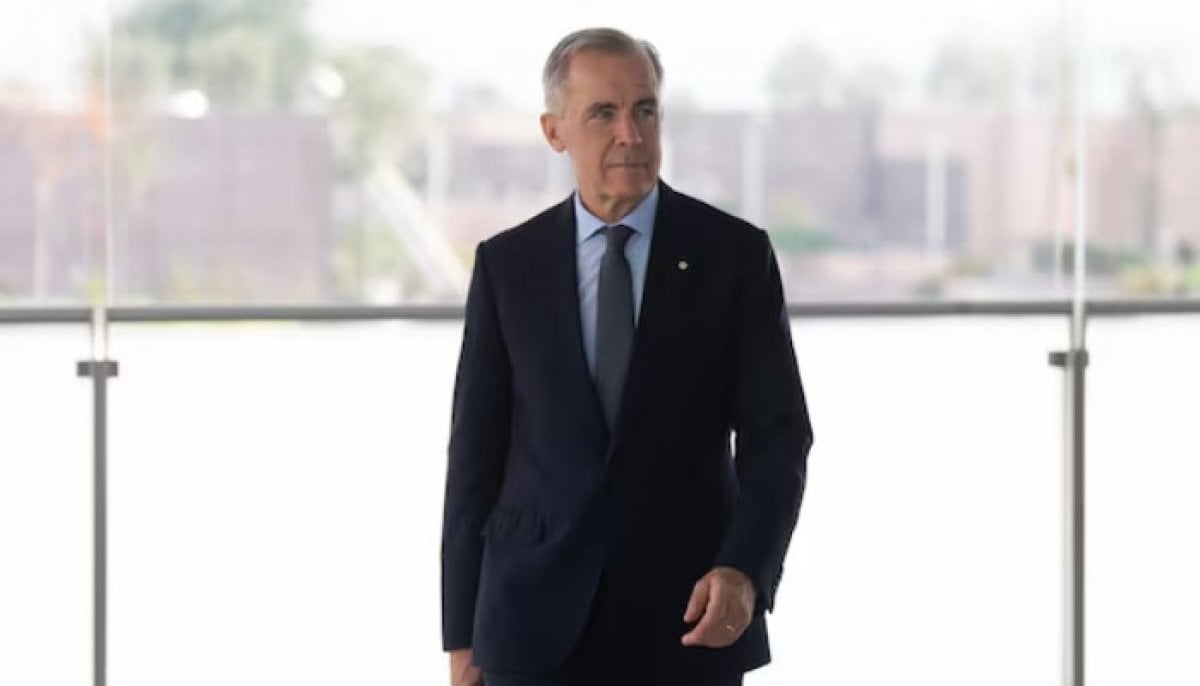 Carney rejects Trump administration’s accusation of Canada interfering in US midterm elections
 -
 Ukraine, Russia and US set to hold key talks in Abu Dhabi in early November
-
 Australia lawmaker Hannah Beazley’s staff threatened days after Helen Haines attack
 -
New York AG Letitia James challenges attempt to disqualify her from Cornell investigation
-
Trump administration targets Alaska Senate race over fears of ballot confusion
-
Gunman near Paris kills one, injures several as mayor suspects ‘racist, Islamophobic’ intent