New report links secret Russian intel unit to 'Havana Syndrome' cases
First cases of "Anomalous Health Incidents" were reported by US diplomats in Cuba in 2016
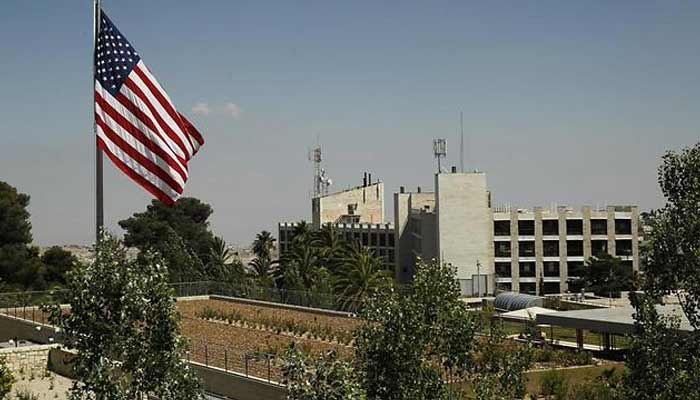
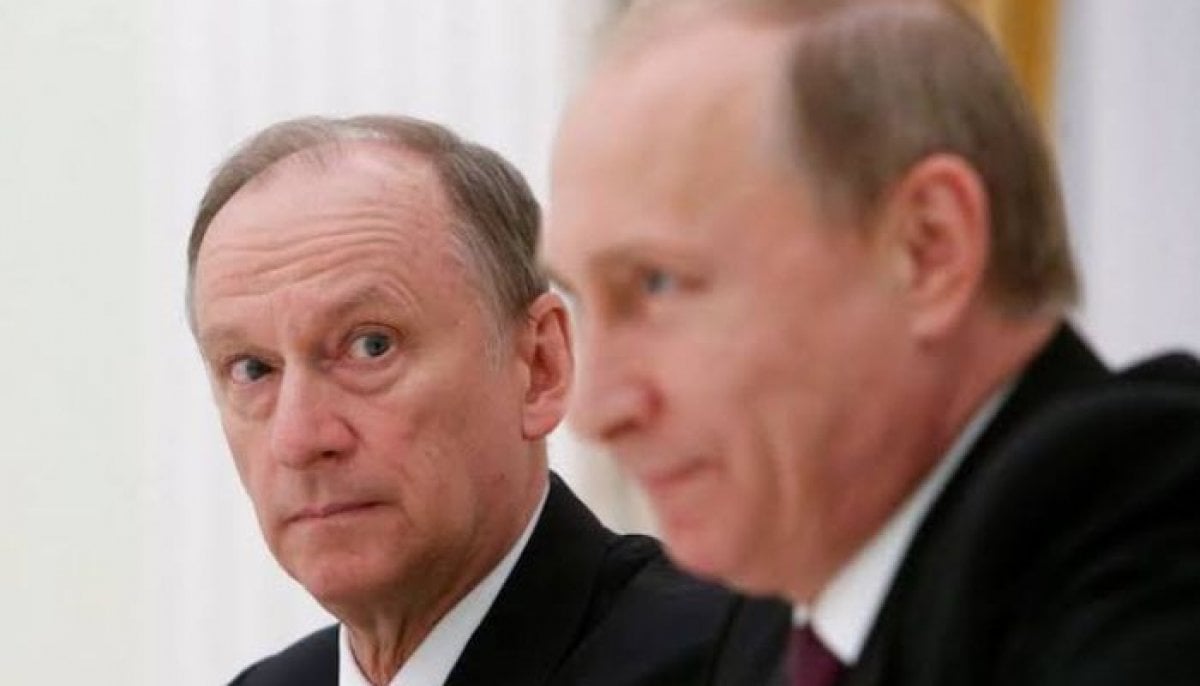
A recent report has found that the mysterious illness that has caused hundreds of United States diplomats across 96 countries to fall sick, may be due to possible "sonic attacks" by a Russian intelligence unit, Axios reported.
The joint report was published by The Insider, Der Spiegel and CBS's "60 Minutes".
The first cases of the infamous "Havana syndrome" also known as "Anomalous Health Incidents (AHI)" were reported by US diplomats in Havana's capital, Cuba in 2016.
Since then, more than 1,500 cases have been reported by US officials from around the world. The symptoms include, extreme headaches, dizziness, nausea and ear pain.
In 2020, a report by the National Academies of Sciences, Engineering, and Medicine, proposed that "the neurological symptoms could be the result of a radio frequency energy of radiation that includes microwaves".
Furthermore, some lawmakers had suggested that the illness might be a result of "directed energy attacks".
However, last year, US intelligence agencies, refuted these claims, saying it was "highly unlikely" that a foreign adversary was involved.
The Office of the Director of National Intelligence reiterated these claims that AHI cases "did not involve a foreign adversary".
On Monday, Kremlin spokesperson Dmitry Peskov denied Russia's involvement and has called it "a baseless accusation".


-
 US EPA unveils sweeping power plant carbon limit rollbacks at G20 meeting to prioritize grid reliability
 -
 Savannah Guthrie makes another emotional plea to Nancy's kidnappers
 -
 'Hang Lindsay Clancy': GOP rep calls for mom-of-three's public execution
 -
 Royal family shares Princess Astrid's funeral plan
 -
 Italian Senate clears PM Giorgia Meloni electoral reform bill to overhaul voting system and establish majority bonus thresholds
 -
 US Senate advances landmark crypto bill to set new digital asset boundaries
 -
 Russia-Ukraine energy truce? Kremlin welcomes Trump's proposal with 'conditions'
 -
 UK State pension likely to rise by £488 a year in April
-
 Russia threatens Poland, claims Warsaw could ‘disappear’ in days
 -
China warns US over ‘weaponization of space’ after deployment confirmed
-
China tightens exit restrictions for citizens to safeguard national technology security and penalize overseas violations
-
Carney heads to Europe as Canada-EU ties take center stage amid US trade war