World Bank rings alarm bell over ‘silent human capital crisis’ in Pakistan
VP Martin Raiser launches policy notes — focusing on child stunting, private sector, and energy among others
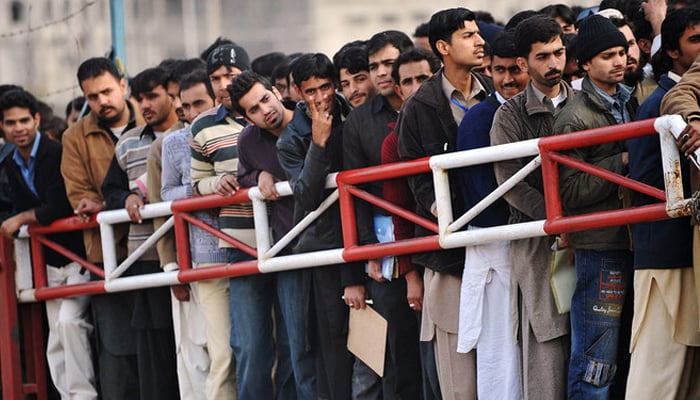
The World Bank’s Vice-President for South Asia has raised alarm over the “silent human capital crisis” in Pakistan, calling upon authorities to make difficult but necessary decisions for the “bright future” of the country.
Martin Raiser, who is in Pakistan to reaffirm the WB’s commitment to support the people of Pakistan, launched a series of policy notes that outline critical policy shifts required for a productive, sustainable, resilient, and healthy Pakistan, according to an official statement issued on Tuesday.
The policy notes — focusing on child stunting fiscal sustainability, private sector growth, energy, learning poverty, agriculture, and climate change — are the culmination of several months of outreach and engagements conducted across the country under the “Reforms for a Brighter Future — Time to Decide” banner.
They are intended to help inform the public policy dialogue in the context of the upcoming elections.
“Pakistan’s economy is stuck in a low-growth trap with poor human development outcomes and increasing poverty. Economic conditions leave Pakistan highly vulnerable to climate shocks, with insufficient public resources to finance development and climate adaptation,” said the WB official.
“It is now time for Pakistan to decide whether to maintain the patterns of the past or take difficult but crucial steps towards a brighter future.”
The policy notes urged Pakistan to address its acute human capital crisis — including the high prevalence of stunting and learning poverty — by adopting a coordinated and coherent cross-sectoral approach to basic services involving both provincial and federal governments.
Improve the quality of public spending and take serious measures to expand the revenue base, ensuring that the better off pay their share, they added.
The recommendations also asked Pakistan to pursue business regulatory and trade reforms and reduce the presence of the state in the economy to increase productivity, competitiveness, and exports.
Moreover, the notes called for removing distortions that undermine the performance of the agricultural and energy sectors, including through subsidy reform and privatisation of electricity distribution companies.
“Almost 40% of children in Pakistan suffer from stunted growth, more than 78% of Pakistan’s children cannot read and understand a simple text by the age of 10. These are stark indicators of a silent human capital crisis that needs priority attention,” the WB statement quoted Raiser as saying.
He said additional spending on water and sanitation of around 1% of GDP per year and better coordination at the local level, stunting could be halved over a decade with significant positive impacts on growth and incomes.
“This is just one example of the huge economic benefits a coherent and decisive reform strategy could have.”
During his visit, the global lender official will meet Pakistan officials at the federal and provincial levels, and representatives from the private sector and academia.
He will also visit the Dasu and Tarbela hydropower projects, as well as project sites in Sindh and Punjab.


-
 France's Publicis to buy US data firm LiveRamp in mega deal
 -
 DayOne eyes landmark dual IPO in US and Singapore
 -
 America’s largest commuter railroad suffers major strike: What passengers need to know
 -
 Starbucks initiates hundreds of layoffs as it closes some regional US offices
 -
 Wall Street tumbles from record highs as AI stocks sink globally: Here’s why
 -
 Trump’s Beijing summit 2026: Did any deals emerge for tech and Wall Street CEOs?
 -
 Oil prices rise after Trump says China wants US crude oil
 -
 AI boom pushes SK Hynix toward $1 trillion market valuation