Tech CEOs and US Senators discuss AI regulation in closed-door meeting
Elon Musk, Mark Zuckerberg, and Sundar Pichai supported idea of US government playing a role in AI regulation
Tech leaders, senators, and representatives of civil society sat down on Wednesday for a private dialogue on the potential and risks associated with artificial intelligence (AI) technology.
More than 60 senators attended this bipartisan meeting - an incident that indicates a widespread recognition of the need for AI regulation to balance innovation and security.
Prominent figures, including OpenAI's CEO Sam Altman, Elon Musk of X and Tesla, Sundar Pichai from Google, Satya Nadella of Microsoft, and Mark Zuckerberg from Meta, were part of a 22-person panel in the discussion.
Senate Majority Leader Chuck Schumer underlined the significance of this event and revealed that all attendees agreed on the necessity of government intervention in regulating AI.
The meeting primarily focused on deliberations regarding the advantages and potential hazards of AI, rather than reaching a consensus on regulatory proposals or which agency should oversee AI regulation.
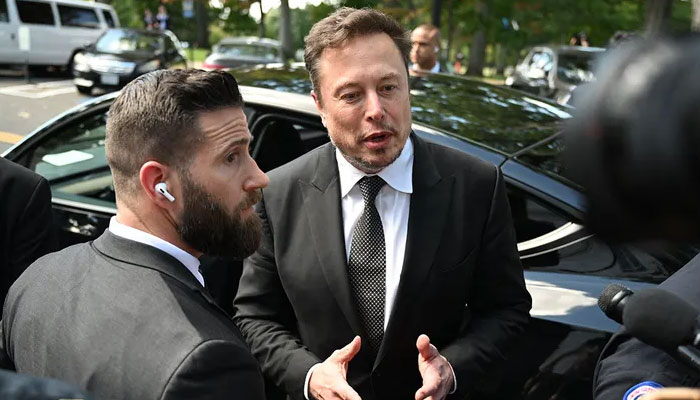
Elon Musk, in discussions with reporters following the Senate gathering, highlighted the importance of establishing "some regulatory structure" to ensure public safety. Zuckerberg and Pichai echoed this sentiment, highlighting Congress's pivotal role in AI regulation.
Senators, many of whom acknowledged their limited understanding of the subject, found the meeting to be enlightening and essential. The unanimous belief was that American leadership in AI is paramount, with a particular focus on safeguarding national security interests.
The forum was part of Senator Schumer's strategy, proposed in June, for the Senate's approach to AI regulation. However, in the interim, several senators put forward more targeted regulatory ideas related to AI. These include proposals from Senators Blumenthal and Hawley requiring AI companies to seek licenses and clarifying that tech companies would not be shielded from legal action.
Additionally, Senators Klobuchar, Hawley, Coons, and Collins proposed legislation aimed at prohibiting deceptive AI-generated content in political advertisements. Senator Schumer and his bipartisan group aim to compile a comprehensive plan for AI regulation that can garner support in the coming months, without rushing the process.
While Schumer did not specify a detailed timeline, he indicated a desire to present a regulatory proposal within months, rather than years, underscoring the importance of measured and deliberate decision-making in this crucial arena.


-
 US Navy helicopter goes down in Arabian Sea; One missing
 -
 Gun violence rocks World Cup celebration as US city's mayor takes drastic action
 -
 UK woman faces possible lifetime ban from owning dogs over alleged heartless act
 -
 Kemi Badenoch challenges Starmer over £298bn Defence Investment Plan at PMQs
 -
 Trump hails progress in US-Iran talks: ‘Getting along very well’
 -
 Two killed in light aircraft crash in Essex, England
 -
 Trump’s Hormuz operation sparks the biggest rift in US-Saudi relations in years: Here’s why
 -
 Netanyahu seeks to end US financial aid to Israel within decade: What’s behind the plan?
-
 Who is Melat Kiros? Democratic Socialist defeats 15-term incumbent in Colorado primary
 -
How Trump earned more than $1 billion from crypto after returning to the White House: Report
-
Why foreign investors are buying Canadian government bonds in record numbers
-
Police lay charges against 11 teens following Nooran Rezayi shooting investigation