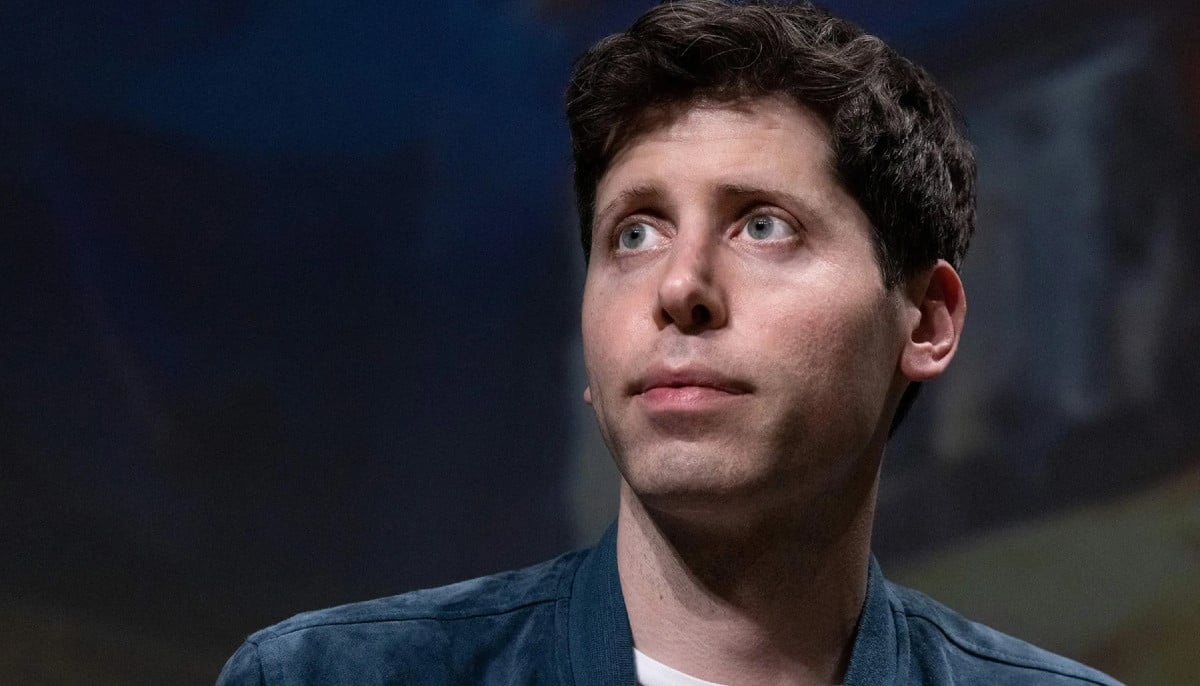
Work-life balance struggle intensifies for women in South Korea
In culture that doesn't support women, many mothers struggle to balance work and family life, and younger women are becoming less interested in having children
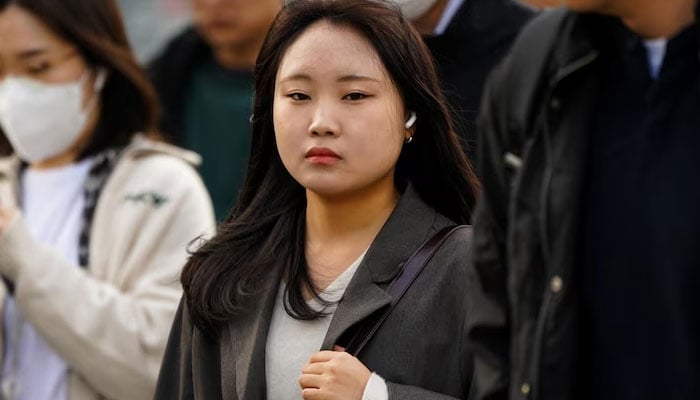
South Korea is facing two major problems: an aging population and overworked employees. The government proposed extending the work week to provide more flexibility for families, but women are concerned that it would reinforce traditional gender roles.
In a culture that doesn't support them, many mothers struggle to balance work and family life, and younger women are becoming less interested in having children. The country's low fertility rate and high cost of living also contribute to this trend.
South Korea already has one of the longest working hours in the world, and its competitive work culture often leads to excessive overtime. This problem is so severe that they even have a term for death from overwork. The government's idea of a longer work week was met with backlash, especially from women's groups who argue that it would force women to give up their jobs and exacerbate the gender wage gap.
Women's career limitations are a significant issue in South Korea. Many women feel compelled to leave their jobs after having children due to societal expectations. The country has the highest gender wage gap in the OECD, and women's labour force participation rates are lower compared to men.
While the government has implemented some policies to address these concerns, such as increasing maternity leave, advocates believe that changes in policy alone are not enough. They argue that the culture needs to shift to create meaningful change for women in South Korea. The country has seen movements like Me Too and "escape the corset," which aimed to combat workplace sexual harassment and challenge traditional beauty standards.
However, there has also been a rise in anti-feminist sentiment, with some arguing that men are victims of reverse discrimination. In fact, the government even considered abolishing the Ministry of Gender Equality. Despite these challenges, women continue to face workplace discrimination and harassment.
Improving the workplace culture is crucial to addressing these issues and encouraging women to pursue both career and family goals. South Korean society still has deep-rooted sexism that needs to be confronted. It is essential to create a more supportive and inclusive environment for women in the workplace to ensure a more balanced and equitable society.


-
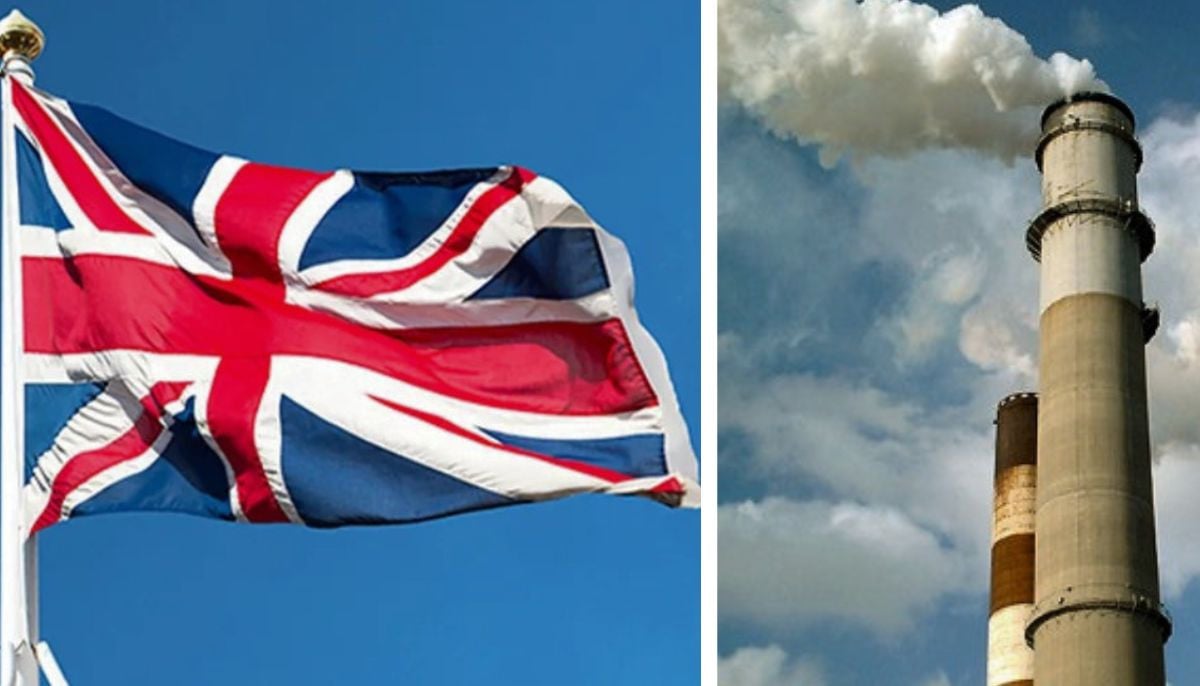 UK targets 87% emissions reduction by 2040
 -
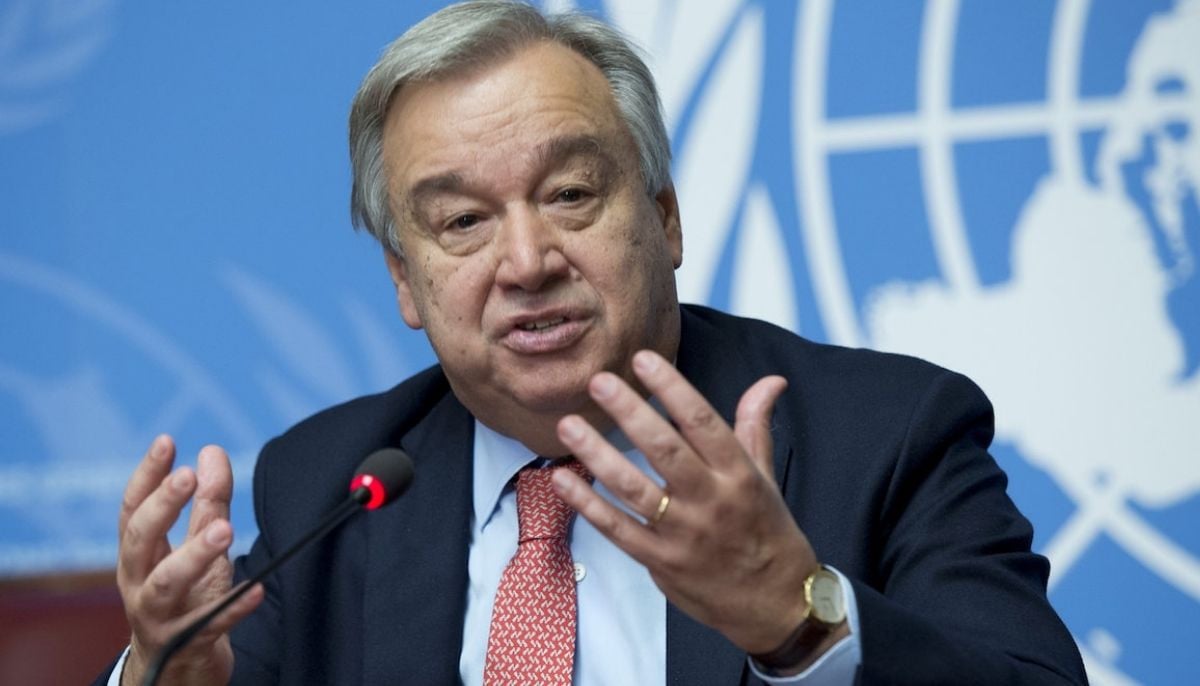 ‘El Nino is arriving on our doorsteps with 90% certainty’: UN chief Guterres warns with climate urgency
 -
 Trump suggests canceling Great American State Fair performances after several musicians withdraw
 -
 Nancy Guthrie investigation update: FBI’s next step could identify key suspect, expert says
 -
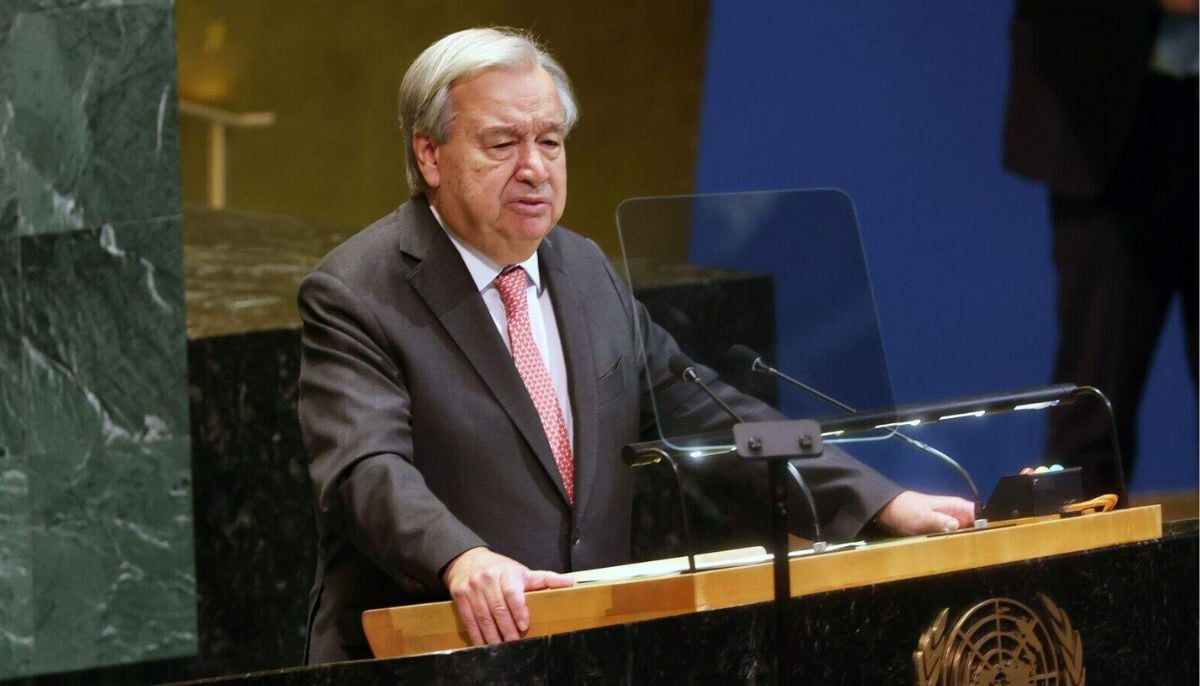 UN warns strong El Nino could drive global temperatures higher: Here’s what to know
 -
 Why the Meta whistleblower’s lawyer says he is also barred from promoting her book
 -
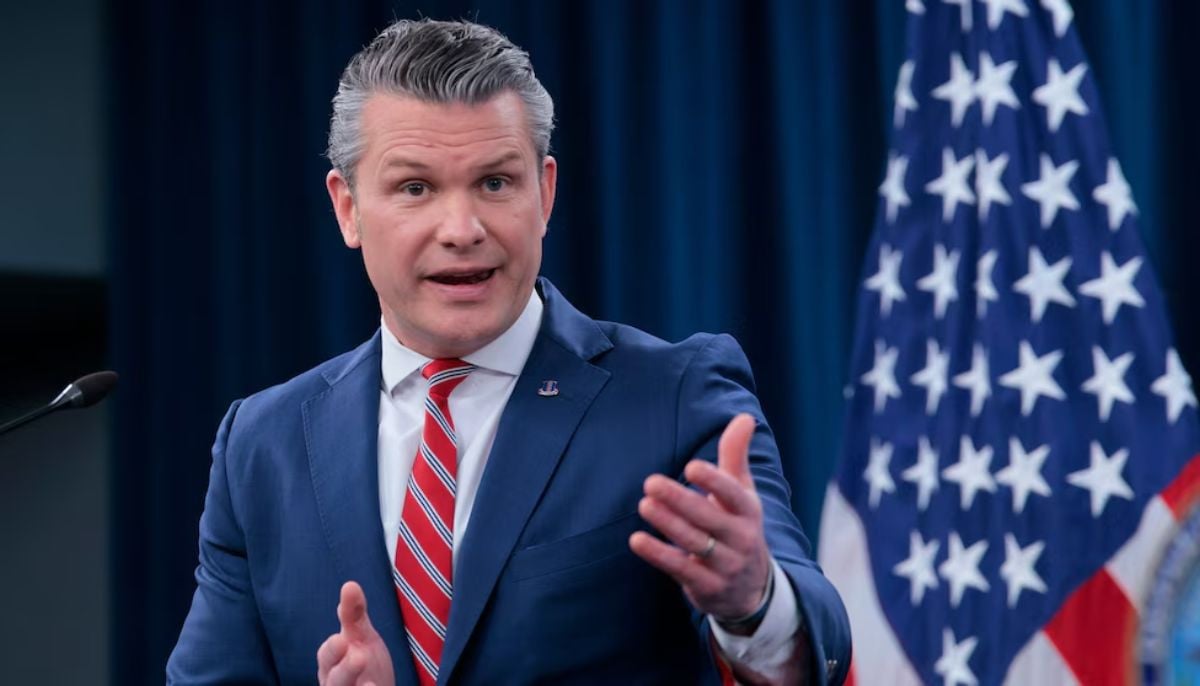 Hegseth blocks promotions of several Navy officers to 1-star rank: Here’s why
 -
 US holds significant talks on expanding nuclear weapons deployments across Europe
-
 Tom Kean runs unopposed in key New Jersey battleground despite questions over Washington absences
 -
Hezbollah agrees to US-backed ceasefire proposal as Israel warns strikes could resume
-
Netanyahu faces political pressure as Israel parliament backs early election bill
-
Florida sues OpenAI, claims ChatGPT aided mass shooters and endangered children