
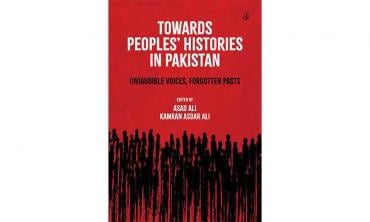
Rethinking Pakistan’s past beyond the nation-state
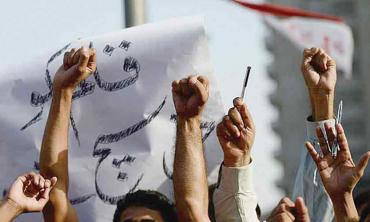
Pakistanis have witnessed a variety of laws enacted to ‘regulate’ various forms of dissent
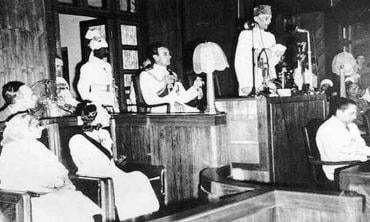
Jinnah wanted public education to promote critical thinking
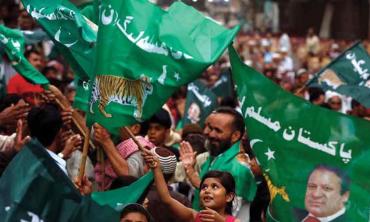
Have all sides to the ongoing political crises understood the need for political engagement?
Past should be taken as a repository of variegated experiences, meaningful and instructive to the present

Parties to the political stalemate would do well to understand the absolute need for coexistence
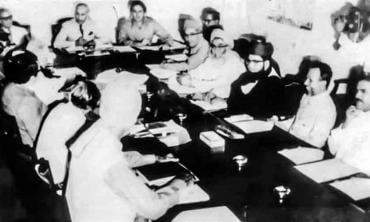
A look at the country’s political history of difficult negotiations and dialogue for conflict resolution
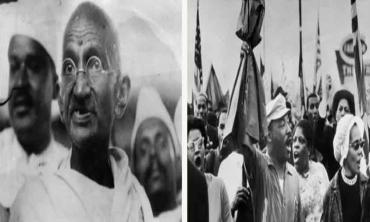
A look at civil disobedience movements and how they panned out

Populist waves have re-emerged across the globe. Pakistan is no exception
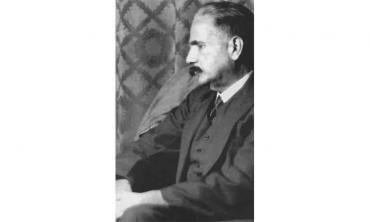
Inspiration can be drawn from Iqbal’s ideas to de-colonialise social and state institutions
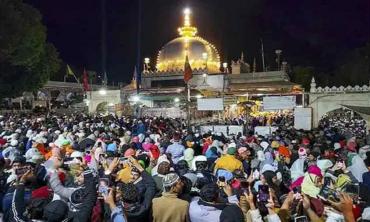
Sufism emerged as an upholder of human equality in a highly polarised, class- and caste-based South Asian society
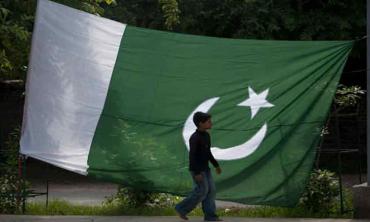
Unpacking the policy initiative through the lens of history
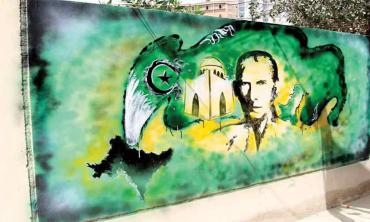
Pakistan Studies, now mired in propaganda and ideology stripped of any nuance, was initially introduced as a holistic inter-disciplinary course

The last century saw significant strides in the consolidation of democracy; this century has been beset with new challenges

Print capitalism and dissemination of communal literature honed communal identities
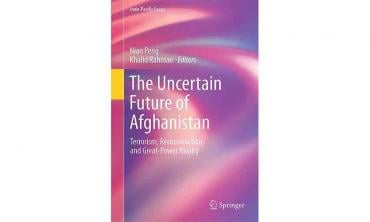
Nian Peng and Khalid Rahman examine Afghanistan’s foreign and domestic policies in their new anthology
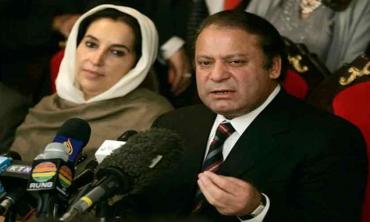
Political actors have always faced conflict. Many have worked their way through cooperation
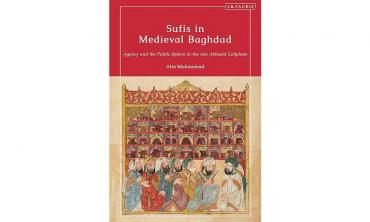
Atta Muhammad’s new book challenges perceptions of medieval Baghdad

There is a need to revamp our education system to keep up with rapid advancements in AI technology
There is a need to indigenise in order to redeem our identity



