
Do UN peace operations prioritise maintaining existing power structures over addressing injustice?
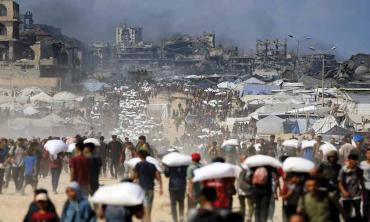
The ongoing genocide in Gaza remained a major theme at the UNGA. What does this mean for Palestinians?
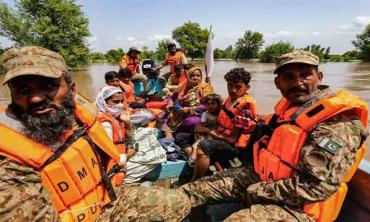
A cycle of natural disasters challenges legitimacy of state institutions by restoring or eroding public trust
Democracies do not collapse abruptly; they deteriorate with a gradual weakening of democratic institutions
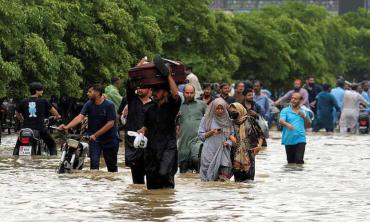
Flooding of urban centres has become a frequent phenomenon. Beyond the infrastructural losses, what price do the people pay?
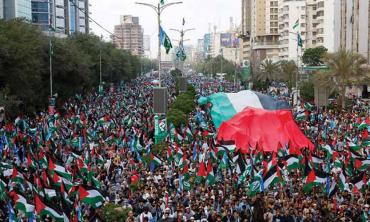
A historic look at Pakistan’s stance on the Palestinian issue
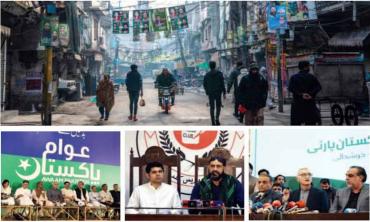
Do the smaller political parties, operating on the periphery, have what it takes to challenge the mainstream?
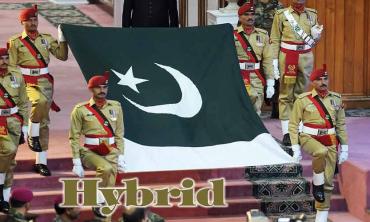
Hybrid regimes initiate a vicious cycle where democracy cannot deliver effectively
The NPT is the most widely adopted arms control mechanism with 191 countries as its signatories
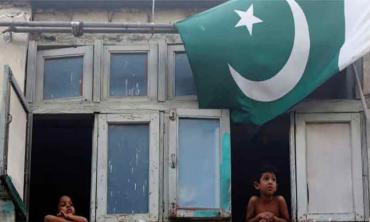
Historically, budgets have mostly been seen by the common man as favouring the elite
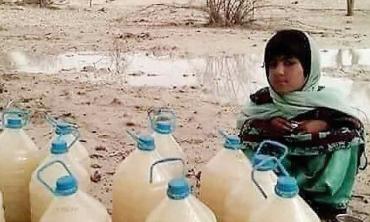
70 percent of Pakistan’s population has only limited access to safe drinking water
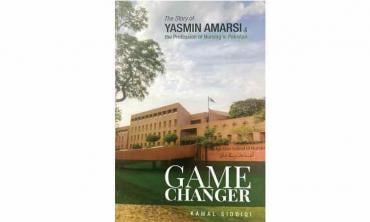
Dr Yasmin Amarsi’s story is one of grit, reform and quiet revolution in Pakistan’s healthcare system
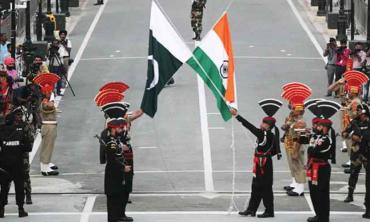
Mutual mistrust has been the defining feature of Pakistan-India relationship since Partition
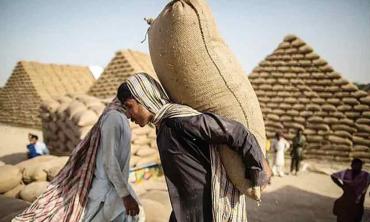
Bhutto government’s 1972 labour policy was arguably the most refined and comprehensive in Pakistan’s history
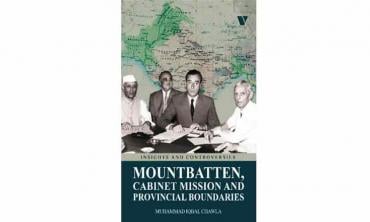
In his latest book, historian Muhammad Iqbal Chawla revisits the final days of the British Raj

The political legacy of Hurs remains relevant and inspiring
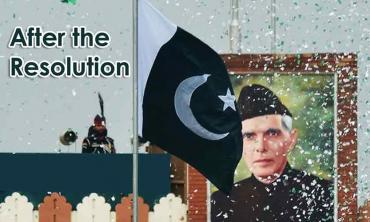
The formula in the Lahore Resolution was couched in normative principles and operational schemes securing the interests of Muslims
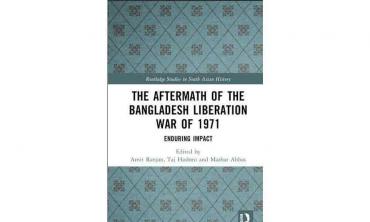
As the 1971 war reshaped borders and histories, countless people were left stateless
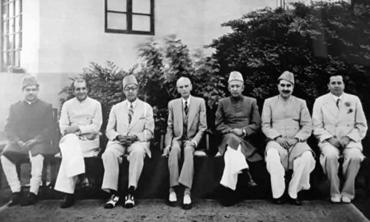
Cabinets in Pakistan remained larger during democratic dispensations than during military regimes
Unpacking the politics of language in Pakistan apart from its symbolic and cultural significance as identity markers



