

Print Story
X




Ustad Barrey Ghulam Ali Khan’s two houses in Lahore’s famed walled city and their fate
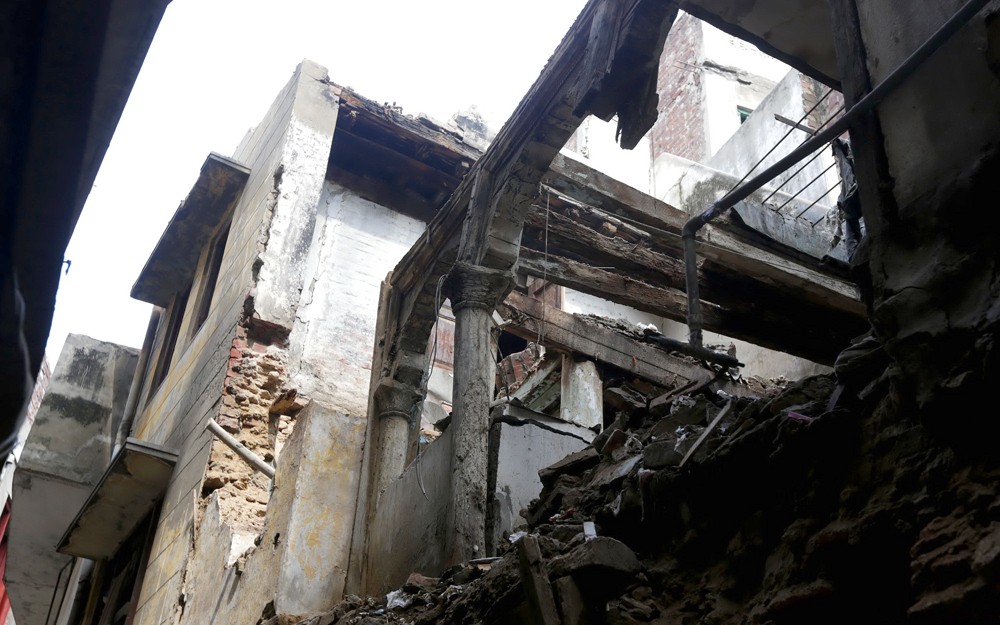
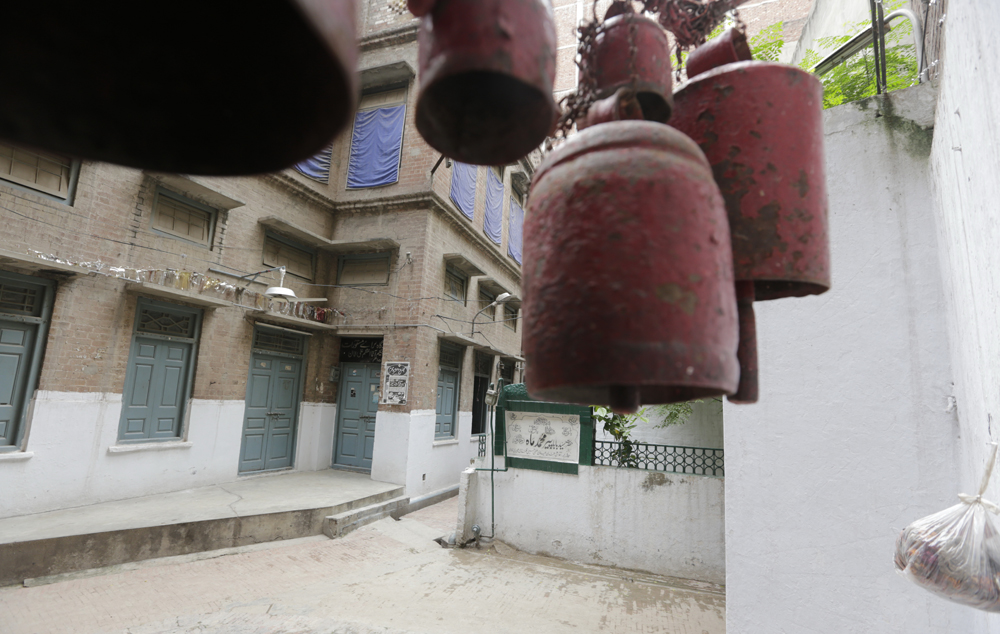
The house that Barrey Ghulam Ali Khan lived in, for at least some time, was decrepit and falling down. Not inhabited now for many years, its last remains, mostly rubble, are being carted away by scavengers and rubble lifters who leave nothing that is free of cost.
The house in Haveli Mian Khan inside the walled city is a historical place even if Barrey Ghulam Ali Khan lived there for not very long. Actually, the entire Haveli is full of history. It was completed by Mian Khan, its construction initiated by his father Nawab Saadullah, both father and son holding very high positions in the Lahore Subah as loyal courtiers of Shah Jehan.
Haveli Mian Khan stretched from almost Mochi Darwaza to Rung Mahal on the Shahalam side, the Rung Mahal being the mardana section of the sprawling settlement. It was after the British took over that Rung Mahal was converted to Mission High School by Father Forman who is more popularly known as the founder of the Forman Christian College. Once one of the better schools of Lahore, it received a grievous blow with the nationalisation by the Pakistan People’s Party Government in the 1970s and since has been in a state of steady decline. It now survives on the memories of the days gone by. The rest of the sprawling Haveli, the zanana and the qilli khana have over the decades gone to seed.
According to the Lahore Number of Naqoosh, Ustad Kale Khan also lived in Katra Nadir Shah which is just outside and adjacent to Haveli Mian Khan and it is said that he performed many of his musical feats while he lived in that house. Kale Khan was the uncle of Ustad Barrey Ghulam Ali Khan, Barkat Ali Khan as indeed of Amanat Ali and Mubarak Ali Khan, the four illustrious sons of Ali Buksh, the younger brother of Kale Khan.
Originally from Kasur, the family did spend a lot of time in Lahore, the culture capital of north India and a rallying point for many an artiste. Even now the extended family of the Ustad lives in the same Katra Nadir Shah and from time to time throws up musicians who have enriched the cultural landscape of this region. A part of the extended family also resides in Karachi.
It my be difficult to say when Barrey Ghulam Ali Khan lived in that house but Rahat Dar, an outstanding photo journalist and an old resident of Haveli Mian Khan, often quotes his father Muhammed Ashfaq who lived in the neighbourhood as being fascinated by the singing of Barrey Khan Ali Khan. Since listening to music and being in the company of musicians was considered disreputable, he often sat outside the ustad’s house on the steps that led to the baithak of Barrey Ghulam Ali Khan. Once while he was sitting there rapt, listening to the riyaz of the Ustad, the great man himself came out and saw a lad sitting there totally engrossed. When asked who he was and what he was doing outside on the stairs, the young Ashfaq could but reveal his secret love for music, particularly the music of Barrey Ghulam Ali Khan, and so was invited into the room. It was his dream come true and he made it a point to visit the ustad and listen to him do his riyaz, face to face on a daily basis.
A rebellious lad, the young Ashfaq decided to become a musician under the spell but when his father came to know of it he was given a good hiding, almost beaten to pulp and strictly forbidden to cultivate and nourish his desire for the muse any more. That was the end of his daily visits to the Ustad but it did not diminish his love for music and the respect for the generosity of the great Ustad. Extrapolating from the lifespan of Muhammed Ashfaq, this all must have happened in the late 1920s and ’30s.
According to other sources, Barrey Khan Ali Khan probably lived in Khajoor Gali opposite Hussania Hall, inside Mochi Darwaza and it is often recounted that a young Munawwar Ali Khan studied at a school in Sheraanwala Gate (One wonders what happened to that house). It could be that the Ustad maintained two households because he had two wives, and the one in Mochi Darwaza was where the first wife, the mother of Munawwar Ali Khan had set up home, while the second wife lived in Haveli Mian Khan. Or that it was only his baithak where he did his riyaz and entertained his well-wishers.
The formative years of the great ustad were spent in Lahore and he is said to have done his riyaz outside the walls of the Lahore Fort which was then known as the Ram Lilla Park because the open space often housed plays, religious theatre and musical soirees. Now the small garden is known as Ali Park after Josh Malihabadi read his famous poem there in the 1960s in praise of the ahle bait. There are no music programmes or theatre shows that are held in Ali Park but it is in the vicinity of the food street and every evening lot of gorging takes place in full and splendid view of the Badshahi Mosque and the Lahore Fort.s
Ustad Barrey Ghulam Ali spent most of his time in Takia Mirasiaan and the other baithaks which were the venues of music programmes in the city, spending not so much time at the radio station and the recording companies. The houses that the Ustads lived in should have been preserved and transformed as monuments to his greatness. After he left Pakistan for India in the late 1940s, only once did he come to the country and that too in transit to and from Afghanistan to participate in the famous Jashn-e-Kabul. This was probably in the early 1960s.