
Understanding the IMF
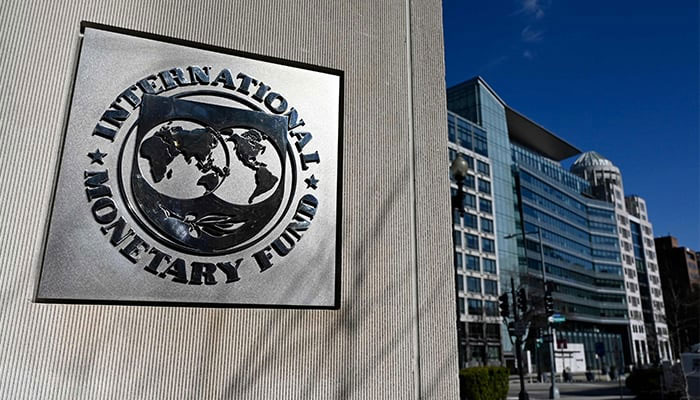
Today on July 11, Pakistan is completing 75 years of becoming a member of the IMF. Historically, Pakistan at the time of joining the IMF on July 11, 1950, was facing immense economic and financial problems. Although the government of Pakistan obtained its first loan of $25 million from the IMF in 1958, today Pakistan is the only country in the world that has approached the IMF the most – 23 times, in fact.
The IMF provides loans to Pakistan every few years; however, the strict conditions attached to these loans are also a target of criticism, raising questions in the minds of the Pakistani people about why the IMF imposes such strict conditions. Is the IMF deliberately being harsh on Pakistan? Is there no way for us to get out of the IMF’s grip? I believe that to find the answers to these questions, we should examine countries that borrowed from the IMF on stricter terms than ours and, today, not only have succeeded in paying off their debts but are also considered among the world’s stable economies.
When South Korea suffered a severe economic crisis in the 1990s, the IMF imposed conditions for the loan that all non-performing institutions and private banks that were a burden on the country’s economy should be closed, unnecessary employees should be dismissed, interest rates should be increased, and foreign investors must be allowed to enter the local market. The actions of the South Korean government, taken at the behest of the IMF, caused public panic and laid-off employees took to the streets to protest. However, after a few years, the South Korean economy recovered. The IMF loan was repaid ahead of schedule in 2001, and today South Korea is the 13th-largest economy in the world.
When Ireland approached the IMF in 2010 to overcome its economic crisis, the Irish government was also required to impose stringent conditions, including layoffs of government employees, salary cuts and tax increases. However, the full repayment of the IMF loan became possible by 2021. Today, Ireland ranks second in the IMF’s global GDP per capita and fourth in the World Bank ranking. Similarly, many countries including Portugal, Brazil, Turkiye, Greece, Iceland, accepted the strict conditions of the IMF under duress but finally managed to say goodbye to the IMF.
I recall the news of India’s bankruptcy emerging in the international media in 1991. The Indian government had only a few days’ worth of foreign exchange left, the economy was on the verge of collapse, and the Indian rupee had lost its value. In the face of the risk of default, India approached the IMF for a loan of $2.2 billion. The government also had to pledge 67 tons of gold to the Bank of England and the Bank of Japan as collateral to secure the loan – a move that shocked the public and was also criticised by some media circles.
Due to economic reforms and strict measures at the behest of the IMF, India’s budget deficit continued to decrease, foreign exchange reserves started increasing, the Indian government started paying loans to the IMF from 1993 and finally all the loans were fully repaid by 2000. Today, 25 years later, India, as the fourth largest global economic power, is a significant contributor to the IMF.
In my view, all those countries that successfully repaid their IMF loans shared some distinguished common values, such as absolute government control over financial reforms, continuity of state policies, transparency, good governance, political consensus, and a firm will to get their country out of critical situations. Undoubtedly, their impressive success story in repaying IMF loans ahead of time and using harsh IMF conditions as a catalyst to reform is also a case study for us.
Today, as we mark the 75th anniversary of Pakistan joining the IMF, we should remember that without the IMF, many countries, including Pakistan, would have gone bankrupt on multiple occasions. However, until our leadership demonstrates a firm commitment to addressing economic challenges, IMF loans will continue to come with tough conditions to swallow.
The writer is a member of the National Assembly and patron-in-chief of the
Pakistan Hindu Council. He tweets/posts @RVankwani


