
Organ donation by living, deceased persons permissible: CII chief
Top religious scholar says that donating organs from living persons to save human lives was not forbidden in Shariat
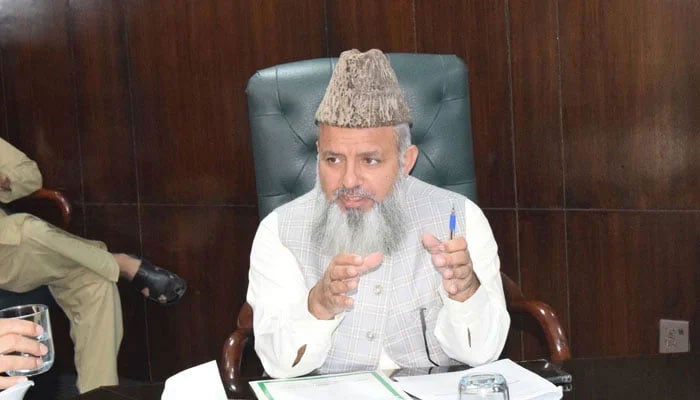
ISLAMABAD: CII Chairman Allama Dr. Raghib Hussain Naeemi has given the green light for organ transplantation, emphasizing the council’s support for kidney, liver, and blood donations from living donors. The council also endorses organ donation from deceased individuals, provided all close relatives consent. This move aims to save the lives of patients suffering from organ failure.
Such donations are not against Islamic teachings and should be encouraged nationwide, Dr. Raghib Hussain Naeemi said in an exclusive interview with The News. The top religious scholar said that donating organs from living persons to save human lives is not forbidden in Shariat. “From the perspective of Shariat, donating organs to save someone’s life is not haram,” he said, adding that Islam prioritizes saving lives and permits such actions in life-threatening conditions.
Pakistan is currently facing a dire situation with thousands suffering from end-stage organ failure, including kidney, liver, heart, and corneal failure. Yet, the country struggles with a chronic shortage of donated organs due to widespread misconceptions, religious hesitation and lack of a formal organ donation system. Even relatives of brain-dead patients in Pakistan are reluctant to donate organs, citing religious and cultural reservations. While Pakistan receives corneal tissue from Sri Lanka to treat blindness, patients with heart failure often travel to India for transplants due to the unavailability of hearts from deceased donors at home.
Addressing this dilemma, Allama Naeemi said that the Council of Islamic Ideology believes the heirs and relatives of a brain-dead person can decide to donate the patient’s organs to save others’ lives. “After death, a person has no authority over his or her body according to Shariat, so the will of the deceased is not admissible. However, their family members can decide to donate the organs in good faith to save others’ lives,” he explained. He also spoke about unclaimed persons who are near death or have been declared brain-dead. “In such cases, the state can take the decision to harvest organs, provided the process is transparent, bodies are treated respectfully, and burial is done with dignity. Even their act of donation should be recognized, and graves should be marked to honour their contribution to saving human lives,” the CII chairman suggested.
On the subject of blood donation, Dr Naeemi said voluntary blood donation is not only permissible but commendable, as blood regenerates naturally and can save lives.


