
Delayed detection is primary concern in childhood eye cancer
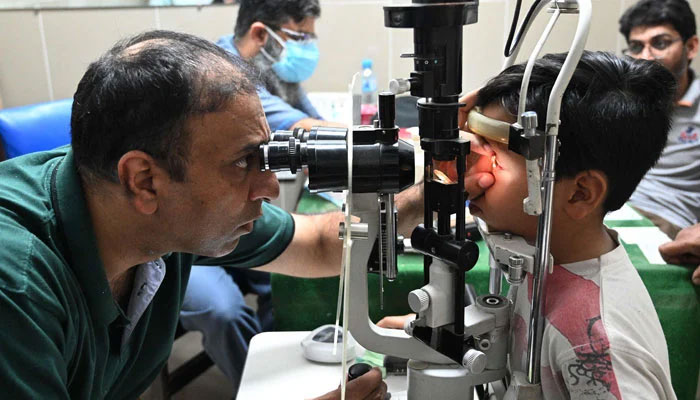
Rawalpindi:Al-Shifa Trust (AST) said on Monday that the greatest challenge in dealing with childhood eye cancer in Pakistan is delayed diagnosis.
Many parents and even general doctors are unaware of the early symptoms, leading to late detection when cancer has already spread, said Professor Dr. Tayyab Afghani, Senior Consultant and Head of the Oculoplastics Department. Talking to the media, he said that rural areas suffer the most as they lack specialists who can recognise and treat the problem.
He added that another significant issue is the cost of treatment. Many families cannot afford treatment, which includes chemotherapy and radiation therapy. Treatment can cost from three to eight hundred thousand rupees. Genetics is also a cause of cancer in children, for which genetic testing of parents should be conducted and informed about the risk assessment, he said. He emphasised that at Al-Shifa Trust, the entire treatment, from assessment to chemotherapy and follow-up check-ups, is provided free of cost. This is made possible by the generous contributions of our donors, for which we are deeply grateful, and the unwavering commitment of the AST leadership to ensure free treatment for all.
Dr. Tayyab Afghani proudly stated that the Eye Cancer Centre at Al-Shifa Eye Hospital Rawalpindi is the sole facility in the country equipped to handle complex cases. Children from one year to 15 years of age are registered here, receiving the best care available. He informed that Al-Shifa Eye Cancer Centre registered 7,500 eye cancer cases in the last four years of which 3,000 have successfully completed their treatment, and the remaining registered patients are being treated phase by phase. He said that among all the people who have eye cancer, 85 to 87 per cent are children and some are born with cancer.
He highlighted the professional skills of doctors and paramedics and said that our cancer treatment success rate exceeds 80 per cent. Dr. Tayyab Afghani said that in Pakistan, many cases go undiagnosed until the cancer has progressed to an advanced stage, reducing the chances of successful treatment. He said that parents’ and general practitioners’ lack of awareness often leads to missed early signs, such as a white pupil, crossed eyes, vision loss, or redness and swelling. Recognising these signs is crucial, as it can significantly improve the chances of successful treatment. The primary challenges in managing eye cancer in children in Pakistan include insufficient facilities, a shortage of specialists, and the high cost of treatment, preventing many from accessing timely and effective treatment, he said.


