
Climate change alters weather patterns in Gilgit-Baltistan
“Traditionally, snowfall in GB begins in late October and lasts until February,” says director EPA Khadim Hussain
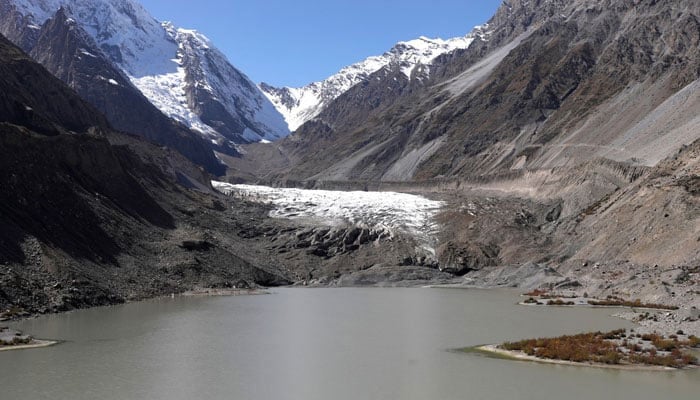
GILGIT: Unprecedented weather shifts in Gilgit-Baltistan (GB) have raised concerns among residents and climate experts, as the region witnessed a prolonged dry spell from September to February this year.
This was followed by sudden snowfall and rain in March, indicating worsening impacts of climate change on Pakistan’s mountainous north, home to the largest ice mass outside the polar regions. “Traditionally, snowfall in GB begins in late October and lasts until February,” said Khadim Hussain, a director in the environmental protection agency (EPA). “However, this winter, the region remained largely dry, with glaciers receiving little to no fresh snow.”
The sudden arrival of heavy snowfall in the last week of Feb - March has triggered fears of increased glacial melting, avalanches, and potential flash floods. “This is nothing but trouble for us,” a local resident Saeed Ahmed said, referring to the latest snowfall.
Elderly residents recall a time when winters were more predictable. “I remember when the first snowfall would come in late October, and we had steady snow throughout the season,” said 82-year-old Mumtaz Khan, a resident of Gilgit. “Now, the weather plays tricks on us—too dry one moment, then too much snow at once. It is nothing like before.”
The erratic weather patterns pose serious risks to agriculture and water availability. GB’s glaciers serve as a crucial water source for the entire country, feeding the Indus River, which sustains millions of people downstream. A lack of early snowfall means weaker glaciers, while sudden heavy snowfall followed by rapid melting can trigger destructive floods.
Additionally, the delay in snowfall has impacted winter cropping and groundwater recharge. Farmers, already struggling with shifting weather patterns, fear lower crop yields and greater reliance on expensive irrigation methods.
In Punjab, authorities have declared water emergencies in certain areas due to acute groundwater shortages, highlighting the national-scale repercussions of climate instability in GB.
Experts emphasize the urgency of adopting climate-resilient infrastructure and sustainable water management practices to mitigate the risks. “Climate change is not a distant threat—it is already disrupting lives in GB. We need to invest in water storage solutions, promote rainwater harvesting, and implement sustainable agricultural practices. Without these measures, we will see worsening food and water insecurity,” Khadim Hussain warned.


