
Diaspora power
Pakistani diaspora, while diverse and dynamic, has increasingly found itself embroiled in quagmire of political polarisation
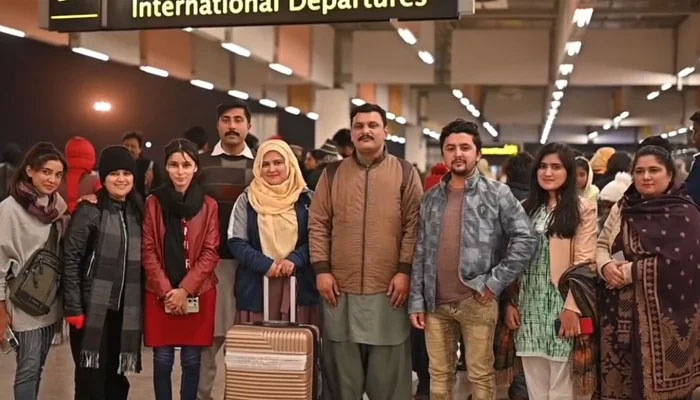
The global stage has witnessed the remarkable rise of diasporic communities shaping narratives, fostering economic connections, and acting as cultural bridges. Among them, the Pakistani diaspora stands as a formidable force, reflecting the vibrant ethos of Pakistan across continents.
Comprising over nine million individuals spread across North America, Europe, the Middle East and beyond, this community serves as the nation's informal ambassadors, representing Pakistan’s culture, traditions, and values. Through their entrepreneurial endeavours, academic achievements and cultural contributions, the diaspora has projected a positive image of Pakistan internationally.
For instance, the recognition of Pakistani-origin leaders in the UK – including members of parliament and mayors – exemplifies their influential presence. However, their potential to bolster Pakistan’s global standing is often undermined by internal divisions and external manipulations, diluting their cohesive voice. Despite these challenges, the diaspora’s role as custodians of Pakistan’s reputation remains unparalleled and necessitates strategic cultivation.
The Pakistani diaspora, while diverse and dynamic, has increasingly found itself embroiled in the quagmire of political polarisation. This fragmentation is largely the result of calculated efforts by Pakistan’s political elite to exploit overseas communities for parochial gains. Political rallies and campaigns orchestrated abroad have turned once-unified communities into battlegrounds of ideological discord. For instance, diaspora groups in the US and UK have seen heated confrontations between supporters of opposing political factions, diminishing their collective efficacy.
This politicisation not only tarnishes Pakistan’s image but also alienates members who wish to remain apolitical contributors to their homeland. The diaspora’s potential to serve as a cohesive and neutral entity is squandered when political allegiances overshadow their broader role. These overseas communities are assets of the state, not appendages of political parties. Effective policies must be enacted to shield the diaspora from partisan influences, fostering unity in their contributions to Pakistan’s socio-economic growth.
Economically, the Pakistani diaspora emerges as a cornerstone of the nation’s financial stability. Remittances sent home by expatriates consistently rank among Pakistan’s largest sources of foreign exchange, with figures exceeding $31 billion annually in recent years. These contributions have mitigated trade deficits, stabilised foreign reserves and funded infrastructure projects.
The Gulf Cooperation Council (GCC) countries, hosting a significant portion of the workforce, account for nearly 60 per cent of these remittances. Beyond monetary inflows, the diaspora also facilitates trade by establishing export markets for Pakistani goods, ranging from textiles to agricultural products. However, this economic lifeline faces vulnerabilities, including fluctuating global oil markets that impact remittance flows from the GCC and restrictive immigration policies in Western nations.
To ensure the sustainability of this critical revenue stream, Pakistan must develop robust frameworks that support expatriates, such as financial incentives, streamlined remittance channels, and bilateral agreements ensuring workers’ rights abroad. Harnessing their economic contributions requires acknowledging their sacrifices and addressing the systemic challenges they face.
Beyond financial contributions, the diaspora’s intellectual and professional capital represents an untapped reservoir of national progress. Pakistani-origin professionals excel in diverse fields such as medicine, engineering, academia, and technology, with numerous individuals holding influential positions in multinational corporations and global institutions. For instance, Pakistani scientists at Nasa, tech entrepreneurs in Silicon Valley and medical specialists in the NHS are emblematic of the diaspora’s prowess.
This intellectual capital can significantly benefit Pakistan through knowledge transfer programmes, investment in local industry, and advisory roles in policymaking. Initiatives like ‘brain gain’ programmes, which incentivise skilled expatriates to contribute to Pakistan’s development, must be prioritised. However, the success of such initiatives hinges on fostering trust and ensuring transparency within domestic systems, as perceptions of corruption and inefficiency often deter engagement. Mobilising this vast talent pool requires policy innovation and a genuine commitment to creating a conducive environment for their participation.
The path forward necessitates a paradigm shift in how Pakistan perceives and engages its diaspora. Moving beyond transactional relationships focused solely on remittances, the state must cultivate a holistic approach that values the diaspora’s multifaceted contributions. This includes recognising their role as cultural ambassadors, unifying their efforts beyond political divides, and leveraging their intellectual capital for national progress.
Equally important is addressing the challenges they face abroad, such as xenophobia, visa restrictions, and labour exploitation, which require concerted diplomatic efforts. By fostering an inclusive and supportive diaspora policy, Pakistan can transform its overseas community from a fragmented group into a cohesive force for global influence and domestic prosperity.
The Pakistani diaspora, with its vast potential and proven resilience, holds the key to bridging Pakistan with the world, driving economic growth, and fortifying its international stature. Harnessing this invaluable resource demands vision, unity, and unwavering commitment.
The writer is a freelance contributor and writes on issues concerning national and regional security. She can be reached at: omayaimen333@gmail.com


