
Efforts to build green economy gain momentum
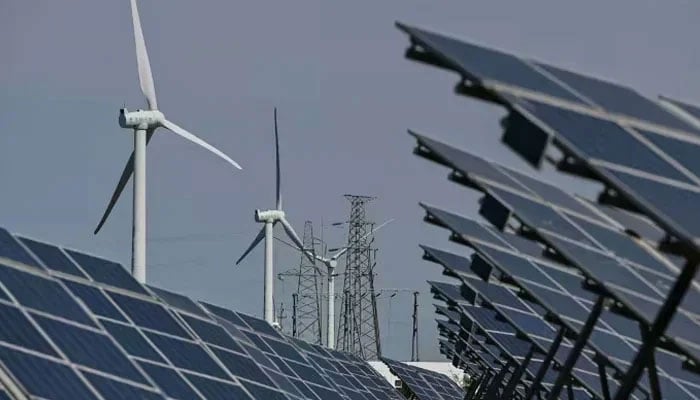
LAHORE: Global efforts to bolster the green economy are gaining momentum to counter the adverse impacts of unsustainable practices that increase environmental risks and ecological scarcities. Pakistan has recently recognised the importance of transitioning towards a green economy but lags significantly behind regional economies.
A green economy prioritises sustainable development by integrating environmental, social, and economic goals. Pakistan has taken initial steps towards adopting this model, though progress remains at a nascent stage. The Alternative and Renewable Energy Policy (AREP) 2019 aims to generate 30 per cent of the country’s electricity from renewable sources by 2030. Large-scale reforestation efforts, such as the Billion Tree Tsunami, and attempts to secure international funds like the Green Climate Fund are notable initiatives.
However, the countrys faces significant challenges in this transition. The country relies heavily on fossil fuels, which account for 62 per cent of its electricity generation. Weak enforcement of environmental regulations, limited investments in green technologies and insufficient prioritisation of sustainability further hinder progress. Governance issues and financial constraints exacerbate the situation.
One critical aspect of a green economy is attaining resource efficiency, which Pakistan struggles to achieve. For instance, sustainable seafood exploitation could contribute significantly to the green economy if managed effectively. Sustainable fishing practices ensure fish stocks are preserved, biodiversity is maintained and marine habitats such as coral reefs and mangroves are protected. In contrast, unsustainable practices lead to overfishing, habitat destruction and biodiversity loss, undermining the principles of sustainability.
Despite possessing a significant coastline of approximately 1,050 kilometres and an exclusive economic zone (EEZ) covering 290,000 square kilometres, Pakistan has not fully capitalised on its seafood potential. The country’s marine fish production ranges between 400,000-500,000 metric tonnes annually -- well below its potential. Seafood exports, valued at $350-450 million annually, pale compared to regional competitors like India and Vietnam. Alarmingly, an estimated 30-40 per cent of the catch is wasted due to inadequate storage, transportation and processing infrastructure.
Overfishing has depleted key fish stocks, while outdated fishing techniques and vessels reduce efficiency and sustainability. Pollution in coastal areas further diminishes marine biodiversity and fish quality. Poor regulation and enforcement in fisheries management and limited value addition also negatively impact exports.
To address these issues, the country must implement quotas, regulate fishing seasons and protect breeding grounds. Encouraging fish and shrimp farming with eco-friendly techniques is essential. Modernising fishing fleets, cold storage facilities and processing units can significantly enhance efficiency. Establishing marine protected areas (MPAs) and reducing coastal pollution are also critical measures.
Globally, several nations have made substantial progress in the green economy. Denmark leads in renewable energy, with over 50 per cent of its electricity needs met through wind energy. Germany’s Energiewende policy and New Zealand’s focus on sustainable agriculture and renewable energy are noteworthy examples.
In South Asia, India has achieved remarkable advancements in renewable energy, particularly solar power, under the International Solar Alliance, aiming for 500GW of non-fossil fuel capacity by 2030. Sri Lanka has set ambitious renewable energy targets, with a goal of 70 per cent by 2030. Vietnam has heavily invested in solar and wind energy, while Indonesia capitalizes on its geothermal potential as the world’s second-largest producer.
According to Iftikhar Ali Malik, former president of the SAARC Chamber of Commerce and Industry, the development of the Gwadar Port and the China-Pakistan Economic Corridor (CPEC) presents unparalleled opportunities for Pakistan to boost its green economy alongside maritime trade and logistics.


