
Ties that bind
Partnership between Pakistan and China in media and culture reflects shared commitment to strengthening bilateral relations
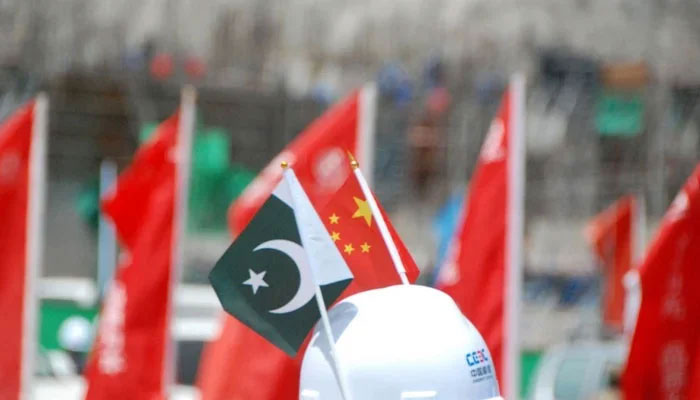
The cooperation between Pakistan and China in media and culture is deeply rooted in history, and strengthened by political, economic, and strategic collaborations.
Diplomatic ties between the two countries were established in 1951, marking the beginning of a robust relationship that has grown progressively stronger over the years. This bond received a significant boost in 2013 with the launch of the China-Pakistan Economic Corridor (CPEC), aimed at enhancing connectivity and trade between the two nations.
Pakistan’s state-owned news agency, the Associated Press of Pakistan (APP), partners with China’s Xinhua News Agency to exchange news content. This collaboration ensures accurate dissemination of information and fosters mutual understanding. Similarly, Pakistan Television (PTV) and China Central Television (CCTV) have agreements to share content and collaborate on television programming. These partnerships include airing Chinese dramas, documentaries, and cultural shows on Pakistani television, while reciprocally broadcasting Pakistani content on Chinese platforms.
Journalists from both countries frequently participate in exchange programmes to gain insights into each other’s media landscapes, cultural traditions, and reporting techniques. Joint media projects such as films, documentaries, and TV dramas are also undertaken to showcase diverse cultures, historical narratives, and shared values, fostering deeper connections between the peoples of Pakistan and China.
The use of digital platforms has further enhanced media collaboration between the two countries. Social media, online streaming services, and digital news portals serve as effective tools for sharing content and engaging audiences.
Cultural collaboration is another cornerstone of the Pakistan-China partnership, with frequent cultural exchange initiatives, festivals, and exhibitions that celebrate the rich heritage of both nations. These events feature traditional music, dance performances, art exhibitions, and culinary displays, offering an immersive experience of each other’s cultures. Educational institutions like the Confucius Institute and various universities in Pakistan provide courses in the Chinese language and cultural activities, encouraging academic interaction and enhancing interpersonal relationships.
The film industries in Pakistan and China also work closely together through co-productions and film festivals. Pakistani films are screened in Chinese cinemas, while Chinese movies are often dubbed or subtitled in Urdu for Pakistani audiences. This exchange of cinematic narratives strengthens cultural ties and introduces diverse audiences to each other’s traditions and stories.
Collaboration between artists from Pakistan and China spans a range of creative disciplines, including visual arts, literature, and performing arts. Art exhibitions, literary festivals, and cultural performances bring artists together, allowing them to showcase their talents, exchange ideas, and explore shared themes. Joint efforts to preserve and promote cultural heritage are a key focus, with initiatives that include restoring historical sites, conserving artefacts, and documenting traditional practices to safeguard these legacies for future generations.
Cultural tours, heritage trails, and promotional campaigns highlight the diverse landscapes, historical landmarks, and cultural attractions of both nations, encouraging cross-border travel and tourism.
Collaboration in media and culture also serves as a powerful tool for Pakistan and China to project their soft power on the global stage. By showcasing their cultural diversity and fostering mutual understanding, both nations aim to enhance their international reputations and influence. This partnership plays a crucial role in building trust, goodwill, and cooperation in other areas, including trade, defence, and diplomacy.
Through their joint efforts, Pakistan and China are presenting an alternative narrative to the dominant Western cultural influence in the region. By emphasising Asian values, traditions, and perspectives, they seek to balance the global cultural landscape and assert their unique identities. This collaboration not only fosters economic opportunities through joint ventures and investments in creative industries but also opens up new markets and revenue streams in film production, broadcasting, and digital media.
In essence, the partnership between Pakistan and China in media and culture reflects a shared commitment to strengthening bilateral relations, promoting mutual understanding, and projecting soft power internationally. Through collaborative projects focused on media production, cultural exchange, and heritage preservation, both nations are not only fortifying their bond but also amplifying their influence in the region and beyond.
The writer is a doctoral student at Central South University, China. He can be reached at: Waseem.sialcsu@gmail.com


