
Banks’ ADR increases to 44pc, up from 39pc
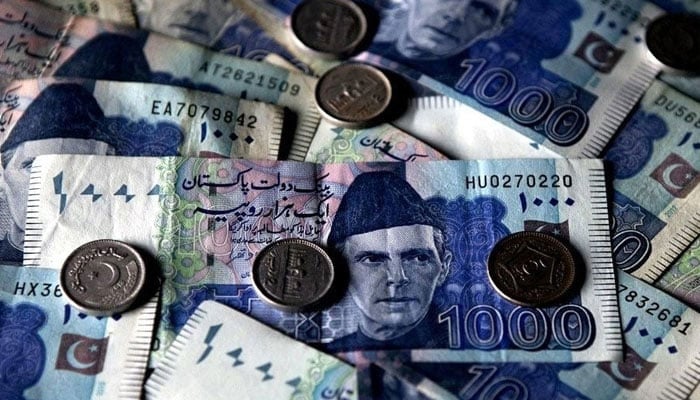
KARACHI: The banking sector’s gross advance-to-deposit ratio (ADR) rose to 44 per cent as of October 25, up from 39 per cent the previous week, data from the State Bank of Pakistan showed.
This increase indicates that banks are aggressively lending to private businesses and consumers in an effort to reach the 50 per cent ADR target by the end of December this year to avoid paying higher taxes.
As of October 25, banks’ total advances rose 11 per cent to Rs13.4 trillion, while deposits decreased 1.0 per cent to Rs30.5 trillion.
The ADR fell significantly, ending at 37 per cent in June 2024, down from 41 per cent in December 2023 and 50 per cent in 2022.
The ADR figures were released alongside reports that the government has decided to approach the Supreme Court of Pakistan to overturn a stay order issued by the Islamabad High Court. This stay order pertains to a tax on lenders whose borrowing to the private sector falls below the established targets. Some analysts believe the court will ultimately dismiss this temporary tax relief offered to banks, as it is considered part of the Income Tax Act.
Pakistani authorities imposed an additional tax on banks at rates of 10 per cent and 16 per cent on income earned from government securities if their ADR falls below 50 per cent and 40 per cent, respectively. While this tax appears to encourage banks to increase lending to the private sector, it is largely viewed as a measure to boost government revenue, particularly in light of the $7 billion loan programme with the International Monetary Fund.
“The recent growth in advances relative to deposits reflects the bank’s strategic efforts to avoid higher taxes on low ADRs rather than genuine private sector credit demand. Banks are lending to DFIs [Development Finance Institutions] and corporates at sub-par rates while shedding deposits by discouraging large accounts,” Saad Hanif, head of research at Ismail Iqbal Securities. SBP data showed that bank lending to the private sector surged to Rs447 billion from July to October FY25, in stark contrast to a net debt retirement of Rs153 billion a year earlier.
Banks impose fees on large deposits
Banks are implementing measures to avoid ADR tax, including discouraging high-cost deposits and introducing fees on existing high-cost accounts. Some banks have imposed an additional 5-6 per cent charge on deposits exceeding Rs5 billion, especially those with large holdings, to withdraw funds.
Funds withdrawn from deposits are likely to be invested in equities, mutual funds
High charges on deposits may redirect liquidity into other asset classes, potentially spurring economic activity. In particular, real estate and equities could benefit from this shift, as banks reduce returns on deposits, prompting investors to seek higher yields in alternative investments.
“As this is for a short period, I think the money will likely move to mutual funds and indirectly into government securities. Banks are engaging in this strategy because they are lending at cheap rates to avoid arbitrage opportunities, as the MDR for savings accounts is still 13.5 per cent, while banks are lending far below Kibor,” Hanif said.
“It will be difficult to say that these funds will move towards equities, as few accounts hold such large balances, and most of these accounts are corporate. These practices inflate ADR artificially in my view,” he added.
According to sources, banks may require depositors to place a one- or two-day pay order before the December 31 deadline for removing money from the banks’ books. However, after the deadline, banks will allow these amounts to be redeposited.
Sana Tawfik, an analyst and economist at Arif Habib Limited, also expects that short-term funds withdrawn from deposits may be invested in equities due to better returns.
Tawfik noted that regardless of whether the ADR tax persists and how its mechanism might change next year, banks will need to increase their lending to the private sector instead of simply parking funds in risk-free government securities to boost their profits. “We will see after year-end whether ADR taxation will continue based on the year-end figures or if it will be calculated as an average for the full year, depending on the outcome of the ADR case,” Hanif said.


