
Energy task force targets more IPPs in reform push
Senator Aziz raised alarms over opacity surrounding profit margins, kickbacks and lack of heat rate audits
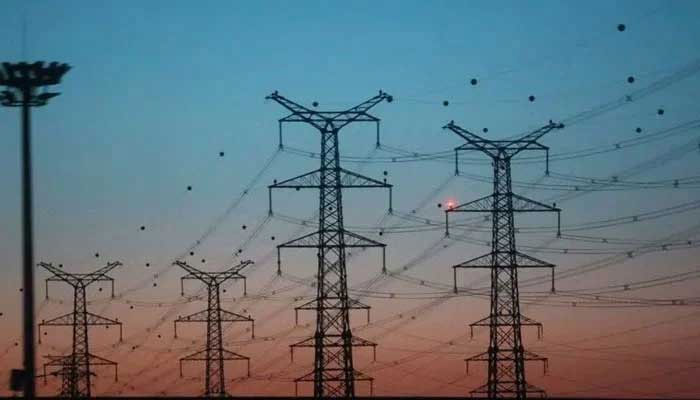
ISLAMABAD: In a decisive move to stabilise the struggling energy sector, the Task Force on Energy has initiated negotiations with 18 independent power producers (IPPs), following recent agreements with five terminated IPPs.
This ongoing reform effort aims to address the pressing challenges facing the country’s power landscape, a significant contributor to its economic woes. “We are also assessing state-owned generators and expanding focus to solar and wind power projects. The negotiations process will be completed in the next three to six months,” the Task Force major negotiator briefed a parliamentary panel on Tuesday.
The Senate Standing Committee on Power, convened by Senator Mohsin Aziz, focused on reviewing the existing agreements, profit margins and potential future measures, while also grappling with the longstanding issue of electricity dues owed to Khyber Pakhtunkhwa.
Senator Aziz raised alarms over the opacity surrounding profit margins, kickbacks and lack of heat rate audits. “Five IPP agreements have ended — what is the future of the remaining contracts?” he queried, underscoring the urgency of the situation.
Muhammad Ali, Special Assistant to the Prime Minister, provided insights into the financial dynamics, revealing that returns on investment had pushed the IPPs profit margins beyond 27 percent. However, he noted a troubling absence of heat rate or efficiency testing at the time of tariff approval by the National Electric Power Regulatory Authority (Nepra).
“NEPRA granted tariffs without checking heat rates,” Ali stated, adding that legal challenges from IPPs had stymied efforts to conduct necessary audits. In a significant policy shift, Ali announced the delinking of tariffs for bagasse-based power plants from the dollar-based coal rate, a change designed to localize energy costs and mitigate reliance on volatile international markets. This adjustment, he argued, aligns Pakistan’s practices with those of other countries and has been forwarded to the cabinet for approval.
The task force’s recent actions have yielded an estimated Rs60 billion in annual savings from the termination of five IPP contracts, following recommendations from the National Transmission and Dispatch Company (NTDC). The government is now negotiating to secure reimbursement of these savings from the IPPs.
Highlighting the historical context, Ali recalled a 2019 study prompted by the soaring electricity costs, which revealed that the IPPs had been granted upfront tariffs under the 1994 power policy, with equity returns stemming from the 2002 policy.
Senator Aziz pointed out tha, according to the findings, the IPPs recouped their investments in two to four years, with coal power plants achieving this in just two years. Ali contended that the average returns of 13 to 17 percent offered in Pakistan were disproportionately high compared to the international standards, advocating for a government withdrawal from direct power market involvement in favor of developing a competitive power market.
The committee also addressed the concerns raised by Senator Aimal Wali Khan regarding the inclusion of IPP fees in Pesco bills in Khyber Pakhtunkhwa, despite the absence of electricity production in the province. Special Secretary Arshad Majeed Mohmand clarified that the federal government establishes electricity prices to maintain uniformity nationwide.
Moreover, Senator Haji Hidayatullah Khan emphasized Khyber Pakhtunkhwa’s claim of Rs1.5 trillion in unpaid electricity dues from the federal government, pointing out the province’s significant energy generation capabilities versus its actual demand. He called for either provincial control over resources as stipulated by the 18th Amendment or its repeal.
Senator Taj Haider pressed for a review of tariff policy, advocating for advantages for resource-rich provinces. In response, PM’s Special Assistant Ali reiterated that the Constitution mandates equal electricity rates across Pakistan, with the federal government absorbing power losses to financially support the provinces.


