
Weaponising gold
Russia has accumulated 1,298 tons, China 1,181 tons, Turkey 424 tons, Poland 256 tons, and India 246 tons
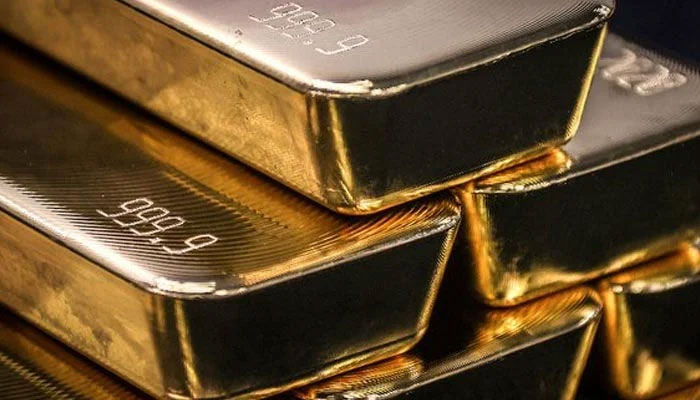
Russia, China, Turkey, Poland, and India – among other nations – have steadily increased their gold reserves over the past few years. Russia has accumulated 1,298 tons, China 1,181 tons, Turkey 424 tons, Poland 256 tons, and India 246 tons. Collectively, these additions represent around $300 billion in new gold acquisitions.
The Central Bank of the Russian Federation has grown its reserves to 2,333 tons, valued at approximately $200 billion. Similarly, the People's Bank of China (PBOC) now holds 2,235 tons, worth about $194 billion, making up 5.4 per cent of China’s foreign exchange reserves. These substantial holdings reflect a global trend among central banks to increase gold reserves, aligning with record-breaking gold prices this year. Year-to-date, gold has reached 35 new all-time highs, surging by an impressive 33 per cent over the past year.
In 2022, the US weaponised SWIFT by cutting off Russia from the global messaging network for banks. Are Russia and China – alongside a growing list of nations – actively weaponising gold? This strategic manoeuvre, known as the ‘weaponisation of gold', positions gold as a powerful geopolitical tool, a financial weapon of influence. By aggressively increasing their gold reserves, Russia and China are signaling a move to challenge the supremacy of the US dollar, threatening to destabilise the dollar’s role in global finance.
Are Russia and China actively weaponising gold? Gold, historically a 'safe-haven' asset in times of turmoil, has become a critical shield for Russia and China as they fortify their financial defences. Russia and China aren’t just buying gold – they are amassing it in a bid to insulate themselves from Western market volatility and potential economic warfare. This isn’t mere wealth protection; it’s a bold stand against the established order of the global financial system.
Are Russia and China building a golden arsenal? For Russia and China, gold isn’t just a ‘reserve’ – it’s a calculated tool of financial independence and resilience. In times of crisis, these vast stores of gold provide Russia and China with a unique form of power, offering them liquidity and stability beyond the reach of sanctions. Their gold holdings are not just a safety net; they are a fortress, a testament to their ambition to reshape economic power in their favour.
The strategic utilisation of gold reserves by Russia and China, particularly in the context of geopolitical tensions and economic uncertainty, could potentially lead to a revaluation of gold's intrinsic value. This could trigger a gold rush, sending prices soaring to unimaginable heights. Silver, often referred to as ‘industrial gold', could also see a significant price surge.
With the global trend increasingly treating gold as a strategic asset, the Special Investment Facilitation Council (SIFC) must leverage this shift with decisive action on three critical fronts: First, the SBP must be urged to significantly expand its gold reserves beyond the current $5 billion – a move that would enhance Pakistan's financial resilience.
Second, the Securities and Exchange Commission of Pakistan should prioritise regulatory frameworks that facilitate gold investment, including promoting gold-backed Exchange-Traded Funds (ETFs), to attract a broad spectrum of institutional and retail investors.
Lastly, provincial Mines and Minerals Departments must urgently activate development strategies to unlock Pakistan’s immense domestic gold reserves, particularly at the Reko Diq mine, which alone harbours an estimated 1,175 tons of gold valued at approximately $100 billion. Such a coordinated, multi-tiered approach will position Pakistan to not only strengthen its financial footing but also to fully capitalise on the long-term strategic potential of its natural resources.
The writer is a columnist based in Islamabad. He tweets/posts @saleemfarrukh and can be reached at: farrukh15@hotmail.com


