
Recovery amid high energy costs
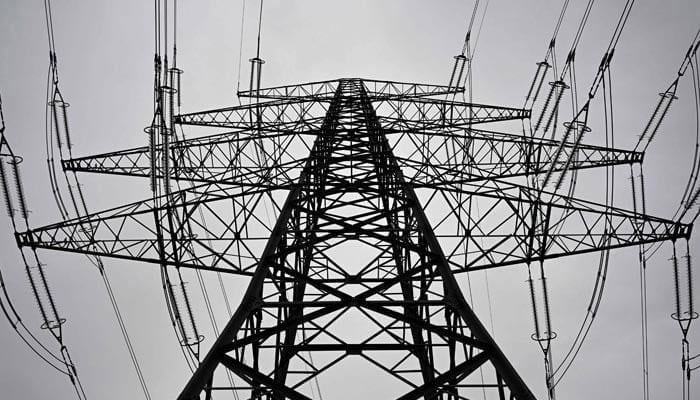
LAHORE: Despite rising energy tariffs, Pakistan’s textile industry remains competitive, as demonstrated by increased exports. This is due to several factors, including low labour costs; a weaker rupee that makes exports cheaper; and a surge in global demand for textiles post-pandemic.
Although the textile sector has been warning of declining exports since June, citing high power tariffs (14 US cents per unit), this anticipated downturn did not materialise. Exports saw double-digit growth in August and September. This could be attributed to the industry’s implementation of cost-cutting measures, improved efficiencies or exploration of new markets, all of which helped boost exports. However, the spinning sector, which adds the least value but consumes the most energy, has suffered significantly.
It is possible that the earlier protests by the textile sector were part of an effort to secure government concessions or subsidies. However, the industry may have adapted more effectively than initially predicted. The protests did prompt the government to revisit its agreements with independent power producers, to whom it pays capacity charges for not purchasing power. Despite this, Pakistan’s energy costs remain higher than those of India, Bangladesh and China.
Power tariffs for the textile sector in India vary by region but generally range between 7–9 US cents per unit, significantly lower than in Pakistan. Bangladesh’s textile industry benefits from some of the lowest power tariffs in the region, with rates around 7–8 US cents per unit. In China, industrial users face power tariffs of around 10–12 US cents per unit, which, although lower than Pakistan’s, are higher than those in India and Bangladesh. Given this comparison, our textile sector faces higher energy costs, yet remains competitive in other ways.
The country’s recent economic improvements, despite political instability and inherited economic challenges, reflect a complex mix of internal and external factors. However, the current government deserves credit for pushing through reforms, even at the cost of its popularity.
One key factor contributing to the country’s improved economic standing is its adherence to IMF conditions under the stand-by arrangement (SBA). These reforms, including fiscal tightening, subsidy reductions, currency devaluation and energy price adjustments, have restored some confidence in the country’s ability to manage its debts and meet international obligations.
The IMF accord has played a pivotal role in strengthening Pakistan’s economic credentials. By enforcing fiscal discipline, the agreement signals to international markets and investors that the country is taking serious steps to address its economic challenges. Access to IMF funds acts as a ‘seal of approval’, making it easier for Pakistan to secure loans from other international creditors and improving its credit rating.
The government also deserves credit for making tough decisions, such as raising energy prices, reducing subsidies and complying with IMF conditions -- measures that were essential to prevent default but carried significant political risks. While these steps have helped restore international confidence and improved key economic metrics such as the current account and exchange rate, they have come at a political cost, with growing public dissatisfaction and protests. How the government balances economic recovery with political survival remains to be seen.
The recent stabilization and slight appreciation of the rupee, driven by government measures, has bolstered investor confidence and given the impression of economic recovery. Improvements in Pakistan’s current account, driven by rising exports and remittances, along with efforts to reduce imports, have boosted foreign exchange reserves and contributed to a more optimistic economic outlook.
Moreover, the government has managed to secure short-term loans from friendly countries and received favourable remittances, both of which have helped improve foreign reserves and stabilize the external accounts.


