
Furnace oil exports surge due to low domestic demand
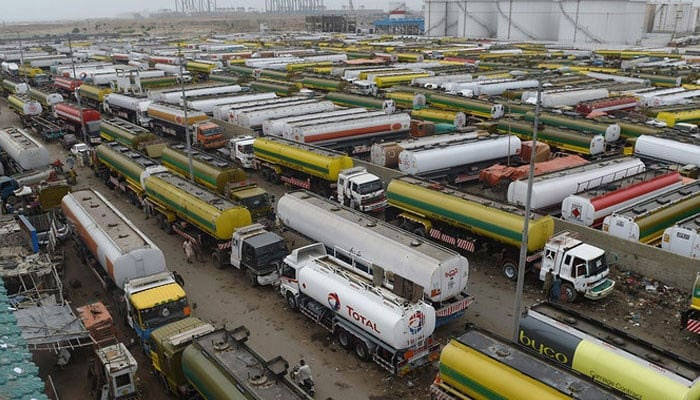
KARACHI: The country exported approximately 300,000 metric tonnes (MT) of furnace oil in the first quarter of this financial year, compared to around 100,000MT in the same quarter of the previous financial year.
This significant increase in furnace oil exports during the current financial year is attributed to low domestic consumption for power generation.According to figures from the oil sector, Pakistan exported 116,000 MT of furnace oil in July, followed by 67,000MT in August and 114,000MT in September.
Industry insiders indicated that the surge in fuel oil exports resulted from minimal use for electricity generation, even during the summer. Refineries were compelled to export this fuel oil to sustain their operations.
Currently, the country has over 500,000MT of usable fuel oil stocks, with refineries holding 148,000MT and oil marketing companies (OMCs) possessing 292,000MT. The remaining fuel oil is located in the pipeline system of Pak Arab Refinery Limited (Parco).
Parco has the largest quantity of fuel oil at 98,000 MT, followed by Pakistan Refinery Limited with 20,000 MT, along with other refineries also holding stocks. To maintain operations, the refining sector is selling fuel oil at lower rates in the global market, as limited storage capacity at refineries cannot accommodate such large quantities of furnace oil, industry sources noted.
Refineries are eager to reduce furnace oil production under the new refining policy. However, the upgrade agreements remain unresolved, as the government has yet to respond to the refineries’ demand to eliminate the sales tax exemption on petroleum products. The policy aims to cut high-sulphur fuel oil output by 78 per cent, from 15,500 tonnes per day to 3,400 tonnes per day. It also calls for a substantial decrease in the production capacity of fuel oil at refineries, as upgraded facilities will focus on producing more gasoline and diesel from crude oil.
Existing refineries are encouraged to modernize and expand to produce environmentally friendly fuels that meet Euro-V standards, while maximizing motor gasoline and diesel output and minimizing furnace oil production.


