
Concerns intensify against GM products
PESHAWAR: The recent reports about the detection of genetically modified (GM) contamination in the consignment of organic basmati rice in certain European markets have sparked concerns in the country and abroad and voices have gained strength against the reported renewed efforts to introduce GM maize and other cereal products in the country.
According to a European Commission announcement, the contamination was discovered during routine testing on July 31, 2024, and classified as a potential health risk due to the presence of unauthorised GM rice. The alert was issued by the EU Rapid Alert System for Food and Feed (RASFF) on August 2, 2024, with suspicions that the contamination originated in government laboratories in Germany and Luxembourg.
This incident has ignited fears over Pakistan’s rice export sector, particularly since the European Union maintains strict policies against GM food imports.The contamination could damage the country’s lucrative rice trade, as Europe is one of its largest markets. Rice is a critical export commodity for Pakistan, and GM foods, including rice, maize and cereal items are banned in most of the countries of the world due to concerns over their impact on health and the environment.
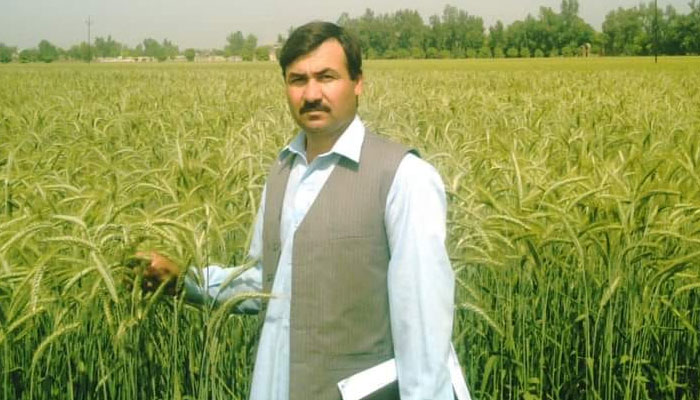
Dr. Gulzar Ahmad, Director General of the Cereal Crop Research Institute in Pirsabak, Nowshera, expressed dismay over the reports.“If true, it would be strange and unfortunate that GM rice, which is banned, has entered Pakistan and made its way into the export supply chain,” he told The News. “GM food poses serious risks not only to local consumers but also to our export markets,” he said.
The contamination raises questions about the country’s regulatory systems. Pakistan officially adopts a zero-tolerance policy for GM food products, yet this incident indicates lapses in enforcement. “The seed had to be imported since it is not produced locally. There are quarantine labs at all borders and ports for testing seeds, and yet this managed to slip through,” Dr Gulzar added.
Other reports suggest that a large shipment of GM rice from India was similarly flagged in the EU in 2021. The recent situation can be exploited by India to downplay the rice export of Pakistan to European and Middle Eastern markets where its demand runs very high.
Pakistan has made efforts since 2018 to strengthen its regulations on GM rice trade after the Rice Exporters Association of Pakistan (REAP) voiced concerns over rejections of GM-tainted consignments by European buyers. The federal government, along with the Punjab government, took steps to curb GM rice exports and even blocked a shipment of Chinese hybrid rice seeds in 2018.
The issue extends beyond rice.
There are renewed efforts to introduce GM maize into Pakistan despite a longstanding strict ban and widespread opposition. Maize is another large cereal item used in a number of food products. Some influential groups are believed to have been lobbying for GM maize cultivation, aiming to bypass government regulations.
Rafhan, the country’s largest consumer of maize for various products, has already raised concerns about the potential approval of GM maize seeds. The company emphasized that the issue should be thoroughly and carefully evaluated, taking into account the concerns of all stakeholders, as well as the future of the crop, the industry, and consumer needs. Maize, the highest-yielding and third most important crop in the country, contributes 3 per cent to agricultural value addition and 0.7 pc to national GDP. In 2022-23, maize was grown on approximately 1.72 million hectares, producing 10.18 million tons, according to official data.
GM maize has faced fierce resistance from agricultural experts and government officials. In 2019, the Pakistan Tehreek-e-Insaf (PTI) government considered allowing GM maize, but the proposal was rejected after extensive consultations. Experts have warned that GM maize could disrupt Pakistan’s maize breeding systems, lead to the development of resistant pests and weeds, and create dependency on multinational corporations for seeds. Health risks associated with GM foods, including links to cancer and antibiotic resistance, further complicate the debate.
As efforts to introduce GM crops into Pakistan gain momentum, agricultural experts like those from Khyber Pakhtunkhwa’s Cereal Crops Research Institute continue to caution against the move. “GM maize offers no significant yield improvement and could devastate our local maize breeding programs,” a report from the institute emphasized.
For Pakistan, a country heavily reliant on agriculture for both food security and export revenue, the stakes are high. The recent contamination incident and ongoing debates around GM crops highlight the critical need for stronger regulatory oversight to safeguard both the domestic market and international trade.


