
Pakistan’s Eskimo trap
Pakistan, in comparison, has barely scratched the surface of these opportunities
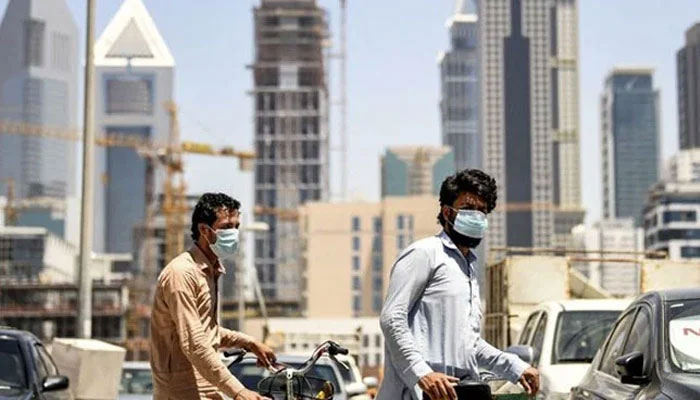
With a median age of just 23, Pakistan stands among the youngest nations globally, presenting a tremendous opportunity to harness this demographic advantage for economic growth.
Over 60 per cent of the population is under 30, a potential demographic dividend that could significantly benefit the country if strategically tapped. Yet, despite this youthful workforce, Pakistan has fallen behind in capitalizing on its international workforce and trade agreements, especially when compared to regional neighbours like India and Bangladesh, who have maximized global opportunities to their advantage.
Under Commonwealth agreements, Pakistan and India have opportunities to send students and workers to developed countries such as Canada, Australia, and the UK. India has made full use of these opportunities, with Indian students comprising 34 per cent of Canada’s international student population in 2021. In Australia, Indian professionals dominate in tech, healthcare, and other critical sectors, contributing significantly to both India's economy and remittance inflows.
Pakistan, in comparison, has barely scratched the surface of these opportunities. Its student and professional presence in Commonwealth countries is relatively minor, reflecting a missed opportunity to increase remittances and human capital development.
By failing to maximize provisions under agreements like the Commonwealth, Pakistan is also underutilizing an important strategy for youth employment. While Pakistan faces high levels of unemployment among its young population, India has effectively used migration pathways to ensure its workforce contributes to global industries, simultaneously benefiting the national economy through remittances. India received $89 billion in remittances in 2021 alone, while Pakistan’s total was $30 billion, a figure dwarfed by its neighbour despite the similarity in population size and economic challenges.
Pakistan’s underperformance is also glaring in the Gulf Cooperation Council (GCC) countries. These nations, such as Saudi Arabia, the UAE, and Qatar, are geographically far closer to Pakistan than India, yet Pakistan lags significantly in both workforce representation and trade volume. In 2021, India’s trade with GCC nations amounted to over $121 billion, compared to Pakistan’s modest $14 billion. This disparity is particularly concerning given the geographical proximity of GCC countries to Pakistan, making transportation cheaper and quicker.
Both India and Pakistan export agricultural products, particularly perishable goods like vegetables and mangoes, to the GCC. However, even here, despite the shorter shipping routes, India and Bangladesh far outpace Pakistan. A key reason for this is the lack of dedicated infrastructure in Pakistan to support agricultural exports.
While India has leveraged its numerous ports, especially in Gujarat, Pakistan has not even considered developing an ‘agri-port’ specifically for the export of perishable goods to the GCC and African markets. India’s ports, both mega and small, have enabled it to establish faster and more efficient trade routes, ensuring a competitive advantage in these vital export sectors.
For Pakistan, developing specialized infrastructure could be a game changer. A dedicated agri-port for agricultural exports to the GCC and Africa could enable Pakistan to not only increase its market share but also create job opportunities domestically. The agricultural sector, which already employs a large portion of Pakistan's population, could be further boosted with streamlined export logistics.
The success of India's workforce is not limited to remittances or trade. Indian-origin CEOs are now at the helm of some of the world’s largest companies, showcasing India’s ability to nurture and export top-tier talent. Sundar Pichai (CEO of Alphabet and Google), Satya Nadella (CEO of Microsoft), and Parag Agrawal (former CEO of Twitter) are all prominent Indian-origin leaders in the global tech industry. These examples highlight India's success in integrating its skilled workforce into the global economy, ensuring that Indian talent is recognized and valued worldwide.
By contrast, Pakistan has seen far fewer examples of global representation at this level. This gap suggests a need for stronger policies to support the education, training, and global integration of Pakistani professionals. If Pakistan could better align its education system with global market demands, it could foster similar success stories, especially considering the immense potential of its young population.
Pakistan’s failure to capitalize on workforce migration and trade opportunities can be attributed to internal governance challenges. The country has adopted a monoculture of religion-based governance and an economic model that is overly reliant on real estate. These factors have limited the growth of diversified industries that could absorb the country’s young workforce. Meanwhile, India’s economy is far more diversified, with booming sectors like IT, manufacturing, and services providing a broad base for economic growth and employment.
Pakistan's dependence on a narrow monoculture of religion-based governance, positioning itself as a security state, combined with a real estate-driven economy, has hindered its progress. While these strategies provide short-term advantages to a privileged few, they ultimately impede the nation's long-term development. This governance model may benefit certain groups in power or business, but it is akin to the metaphor of the Eskimo trap: blood-tinted knives left out for wolves to lick, only for the wolves to eventually cut their own tongues and bleed to death.
In this analogy, a security state along with a speculative real-estate economy are Pakistan’s blood-tinted knives. While these may offer short-term security or gratification, they ultimately drain the country's potential, much like the wolves – unaware they are bleeding themselves dry. Without diversification, innovation, and inclusive growth, Pakistan risks self-inflicted economic and social stagnation.
The writer is an expert on climate change and sustainable development and the founder of the Clifton Urban Forest. He tweets/posts @masoodlohar and can be reached at: mlohar@gmail.com


