
The immigrant is the future
This scenario, once unthinkable, is becoming increasingly plausible
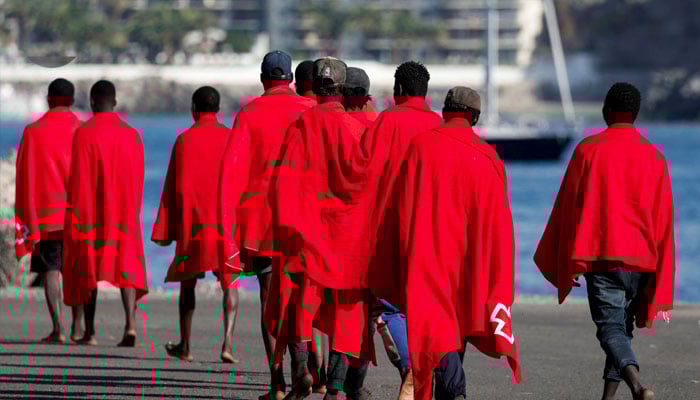
Imagine a few decades from now when most of the First World countries – especially Japan and those in Europe – are led by individuals born in places like Niger or Afghanistan.
This scenario, once unthinkable, is becoming increasingly plausible. The recent rise of leaders such as Rishi Sunak, the Indian-origin former prime minister of the United Kingdom, and Humza Yousaf, the Pakistani-origin former first minister of Scotland, symbolizes a profound demographic and political shift.
These developments mark a significant reversal of the historical dynamics between colonizers and their former colonies, a shift that is set to reshape the global landscape.
Countries in Europe, North America, and East Asia are grappling with aging populations. Nations like Japan, Germany, and Italy have some of the highest median ages in the world, hovering around 48 years. The United States, while somewhat younger, still has a median age of 38 years, and this figure is steadily increasing.
The trend is driven by low birth rates, increased life expectancy, and the retirement of the post-war baby boom generation. As a result, these nations are facing labour shortages, rising healthcare costs, and a shrinking working-age population.
The implications are profound. Economies that were once driven by large, productive workforces are struggling to adapt to the pressures of supporting a growing elderly population. Governments are being forced to rethink retirement ages, pension systems, and healthcare infrastructure to sustain their aging citizens.
However, the most striking consequence of this demographic shift may be the emerging leadership vacuum, as older leaders retire and fewer young people are available to take their place.
In contrast, many African and South Asian nations, which were once colonies of these aging powers, are experiencing a population boom, with median ages well below 20 years. Countries like Niger, Uganda, and Angola boast some of the youngest populations globally, with median ages around 15 years.
Pakistan, with a median age of around 22 years, also stands at a pivotal moment where its youthful population can be a tremendous asset for human capital and economic growth.
This demographic advantage presents an opportunity to harness the energy, creativity, and innovation of a young workforce. If effectively educated, skilled, and employed, this large, dynamic population could drive significant economic expansion, boost productivity, and enhance these nations’ competitiveness on the global stage. However, realizing this potential requires substantial investments in education, healthcare, and jobs creation.
As the First World ages and the Third World remains young, a new era of global leadership is on the horizon. With the median age in many African and South Asian countries set to remain low for decades, the future leaders of the First World may increasingly come from the Third World.
Migration trends already suggest this shift. Immigrants from Africa, Asia, and Latin America are becoming more prominent in the political, economic, and cultural spheres of developed nations. As these young people grow up and assume leadership roles, they bring with them diverse perspectives shaped by their experiences in the Global South.
The ascension of leaders like Sadiq Khan, the son of Pakistani immigrants who became the mayor of London, and Ahmed Aboutaleb, the Moroccan-born mayor of Rotterdam, further exemplifies this trend.
This emerging trend is not just a matter of demographic inevitability; it is also an opportunity. The infusion of young, globally-minded leaders from the Third World could inject new energy into aging First World institutions. These leaders are likely to prioritize global issues such as climate change, migration, and economic inequality – areas where their backgrounds and experiences offer valuable insights.
The implications of this demographic shift are profound. The future world order could see a reversal of traditional power dynamics, with the Global South, particularly Africa and South Asia, providing the leadership for a rapidly changing world. As developed nations become more dependent on immigrant populations to sustain their economies and political systems, the influence of the Global South will only grow.
This new generation of leaders will need to navigate a complex world where old certainties no longer hold. The challenges of aging populations, youth unemployment, migration, and global inequality will require innovative solutions and a willingness to rethink outdated paradigms. As the First World grays and the Third World remains youthful, the global stage is set for a dramatic shift in leadership. The leaders of tomorrow may hail from regions that today are often overlooked in the corridors of power.
This shift promises to bring new voices and fresh perspectives to the global conversation, potentially heralding a more inclusive and equitable world order – one where the legacy of colonization is transformed, as former colonies rise to guide the world’s future.
The writer is an expert on climate change and sustainable development and the founder of the CliftonUrban Forest. He tweets/posts @masoodlohar and can be reached at: mlohar@gmail.com


