
Population puzzle
Pakistan is the fifth-highest populated country in the world
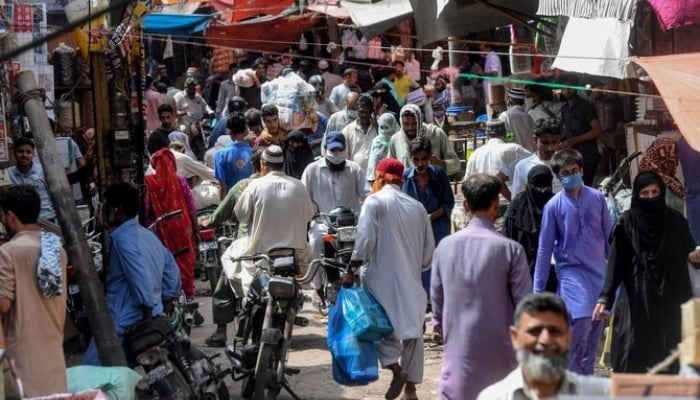
Countries observe World Population Day on July 11 every year. Today, there are around eight billion people in the world. This day allows global leaders to come together and review their planning: does the world have enough resources to meet the demand of a rising population? Pakistan is the fifth-highest populated country in the world. The tragedy of Pakistan is that its policymakers have a myopic view of governance. Policies are mostly short-term. Since political rivalry is at its peak, new governments rarely carry forward the work left behind by their predecessors. This leads to the wastage of already scarce resources, creating more problems for people. Pakistan has a population of over 240 million people with a growth rate of almost 2.0 per cent. The median age in the country is 20.6 years, which means that the country has a good number of energetic young people who are ready to join the workforce and contribute positively to economic growth. But this is unfortunately not the case. As the number of people rises, Pakistan faces a pressing challenge: how to allocate its scarce resources to provide better living conditions to its people. Lack of planning by the government also forces people in smaller towns and villages to migrate to urban cities, burdening the already weak infrastructure of these places.
The lack of family planning is often regarded as the main cause of unbridled population growth. When pregnancies are not spaced out, people suffer a lot. Households that run on two incomes – man and woman – have to let go of one income stream; in most cases, women have to either leave the job or apply for unpaid leaves to look after the child. This adds even more financial burden on the family’s breadwinner, who now has to cover the additional responsibilities of a child with a lower income. This makes a relatively financially stable family seek out government handouts and other assistance. The situation needs the government to come up with a coherent plan to deal with its growing population. Little to no development in the rural areas adds more strain on urban centres, which cannot survive the influx of people. We need skilled and well-educated people if we are to become a thriving economy. And this can only happen if the government plans its population growth and assists the poor in whatever way it can to ensure that their children are educated and have acquired skills needed to maintain good living standards.
Pakistan has over the years taken steps – or at least tried – to implement family planning programmes but their effectiveness has been inconsistent. A more nuanced and dynamic approach is required to tackle the roots of this demographic challenge. One crucial avenue for curbing population growth lies in investing in education. Pakistan must prioritize accessible and quality education, especially for women. Then comes effective healthcare, which is pivotal in addressing population growth. Accessible healthcare facilities, particularly in rural areas, can contribute significantly to family planning. The government needs to invest in healthcare infrastructure, ensuring that basic maternal and child health services are available to all. Additionally, family planning services should be integrated into the healthcare system, making contraceptives readily available and dispelling myths surrounding their use. Socio-economic development too plays a crucial role in population control. Poverty often correlates with higher birth rates as families may view children as additional hands to contribute to household income. Microfinance programmes and skill development initiatives can empower communities, fostering economic independence and consequently influencing family planning decisions. Addressing Pakistan’s population challenge requires a cultural shift, and political as well as community engagement is instrumental in achieving this. None of this can happen, however, without buy-in by political parties. This became all the more important after the 18th Amendment which devolved many subjects to the provinces, making it essential for all of Pakistan’s political actors to care about the out-of-control population situation.


