
Likely cause of 2021 mysterious illness: Researchers finally confirm Zika virus in Pakistan
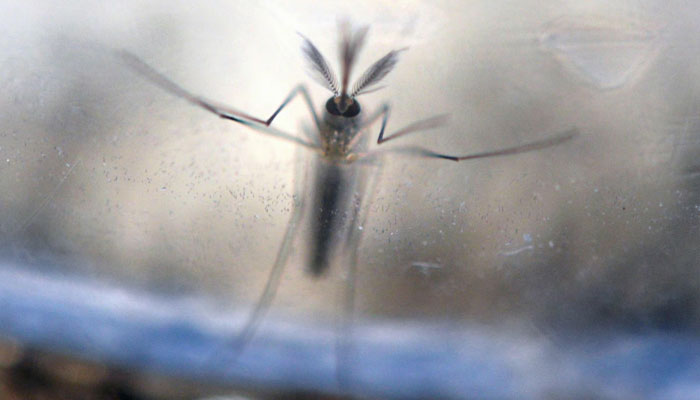
Zika virus is primarily transmitted by Aedes mosquitoes, which bite mostly during the day
ISLAMABAD: Pakistani researchers at the Aga Khan University have finally solved the mystery behind a ‘dengue-like outbreak’ that gripped Karachi in 2021, saying they identified Zika virus as the cause, circulating in Karachi and other parts of the country, and causing dengue-like symptoms.
“Investigators associated with the United World Antiviral Research Network (UWARN) at the Aga Khan University, Karachi, detected two cases of the Zika virus in 2021 during an outbreak of a mysterious viral illness (following a news story in The News International). These cases were later confirmed through metagenomics at the Gale Lab at the University of Washington, Seattle,” Dr Najeeha Talat Iqbal, Principal Investigator of the UWARN study, told The News on Friday. In November 2021, The News International reported cases of a ‘mysterious viral fever’ in Karachi that behaved like dengue fever, reducing patients’ platelets and white blood cells, yet testing negative for dengue. Following the news, UWARN began its investigation and, in 2021 and 2022, detected two single and two mixed infections of Zika and Dengue confirmed by serology and PCR.
Dr Najeeha Iqbal explained that the UWARN consortium is a multi-center study involving Pakistan, Senegal, South Africa, Brazil, and Taiwan, centrally operated by the University of Washington under Prof Wes Van Voorhis along with Co-Principal Investigators.
“This study aims to characterise new emerging viruses and conduct active surveillance of arboviruses in UWARN centers. AKU has been working with the UWARN network for active surveillance of arboviruses, including Dengue, Chikungunya, and other hemorrhagic viruses,” she said.
She noted that they enrolled patients with acute viral illnesses between the ages of 1 and 75 from AKU wards, outpatient clinics, and physician referrals. In the Arbovirus cohort, 44 patients were enrolled, six of whom were NS1 negative with acute febrile illness, vomiting, and diarrhea. These cases were enrolled between August and November 2021.
“During our study, we confirmed the presence of the Zika virus in Pakistan, which had not been previously detected,” she added.
Confirming the findings, Dr Faisal Mehmood, head of infectious diseases at AKU, said he was aware of the presence and detection of the Zika virus in Pakistan, adding that it is now confirmed that Zika is circulating in the environment in Karachi.
According to the WHO, the Zika virus is primarily transmitted by Aedes mosquitoes, which bite mostly during the day. Most people with Zika virus infection do not develop symptoms; those who do typically experience rash, fever, conjunctivitis, muscle and joint pain, malaise, and headache that last for 2–7 days.
“However, Zika virus infection during pregnancy can cause infants to be born with microcephaly and other congenital malformations, as well as preterm birth and miscarriage,” states the WHO fact sheet on Zika virus, adding that Zika virus infection is associated with Guillain-Barré syndrome, neuropathy, and myelitis in adults and children.
In February 2016, WHO declared Zika-related microcephaly a Public Health Emergency of International Concern (PHEIC), and the causal link between the Zika virus and congenital malformations was confirmed. WHO declared the end of the PHEIC in November of the same year. Although global cases of Zika virus disease declined from 2017 onwards, transmission persists at low levels in several countries in the Americas and other endemic regions.
Meanwhile, officials in the Sindh Health Department reported that hundreds of cases of dengue, chikungunya, and other vector-borne illnesses are being reported in Karachi weekly.
“At least 10 people have died due to Dengue fever since January 2024 in Karachi alone. The number of confirmed dengue cases is in the hundreds, while hundreds have been hospitalized with Chikungunya at various public and private health facilities,” an official claimed.
The official added that he was not aware of the presence of the Zika virus in Karachi, as they had not been officially informed about its presence in Pakistan. However, cases of viral illnesses testing negative for dengue have also been reported at different health facilities.
Officials at the National Institute of Health (NIH) in Islamabad said they were unaware of the presence of the Zika virus in the country, noting that no lab or health institution had formally reported its presence to the NIH.


