
Petrol, diesel prices set to fall as global oil costs decline
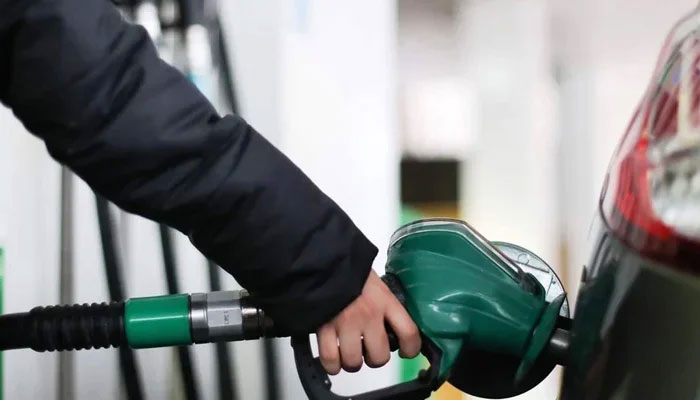
KARACHI: Petroleum product prices in Pakistan are likely to fall in the upcoming fortnightly review, according to industry officials, as global oil prices continue their downward trend.
They attributes the likely fall in prices to the declining trend in global oil prices, as both diesel and petrol prices have decreased in the international market.The price of petrol decreased by $1.86 per barrel to $107.16 per barrel, which may translate into a reduction of Rs3.75 per liter in the domestic market. Similarly, the price of diesel in the global market recorded a fall of $4.3 per barrel to $104.76 per barrel, potentially reducing the price of diesel by Rs7.85 per liter for consumers in the Pakistani market.
According to experts in the oil sector, the global market has witnessed a declining trend in petroleum product prices. If this impact is passed on, local prices of petroleum products may fall. However, the oil sector will submit the final figures on April 29, 2024, considering the last fifteen days' price trends. They note that after falling for a few days, global prices are not stable, and it remains to be seen what the trend will be in the next four to five days.
In the last fortnightly review of prices on April 15, 2024, the government increased the price of petrol by Rs4.53 per liter, pushing the petrol price to Rs293.94 per liter. The price of high-speed diesel (HSD) was also increased by Rs8.14 per liter, reaching Rs290.38 per liter.
The government reviews fuel prices every 15 days and adjusts them based on the movements of global oil prices and the exchange rate of the local currency. The rupee has depreciated slightly against the dollar since the last price revision, trading at around 278.39 per dollar on Wednesday.
The final prices will be announced by the government on Sunday night and will take effect from April1. The government will calculate the prices of petroleum products keeping in view monthly tax targets and estimated fuel consumption and supply cost of Pakistan State Oil, the state-owned oil company.
Pakistan, which imports about 85 percent of its oil needs, has been grappling with a balance of payments crisis and soaring inflation, which stood at 20.7 percent on a year-on-year basis in March.
The government has agreed to a series of painful measures, including raising taxes, hiking energy prices and allowing a market-based exchange rate, as part of a $3 billion loan deal with the International Monetary Fund in July last year to navigate a path to economic stability.The higher fuel prices will have a knock-on effect on the cost of living and transportation in the country. The government is charging Rs60 per litre on petrol and HSD each.


