
Govt borrows over Rs4 trillion from banks in seven months
KARACHI: The government borrowing from banks more than doubled in the first seven months of the 2023/24 fiscal year, as it struggled to finance a widening budget deficit and rising debt servicing costs amid high inflation and interest rates.
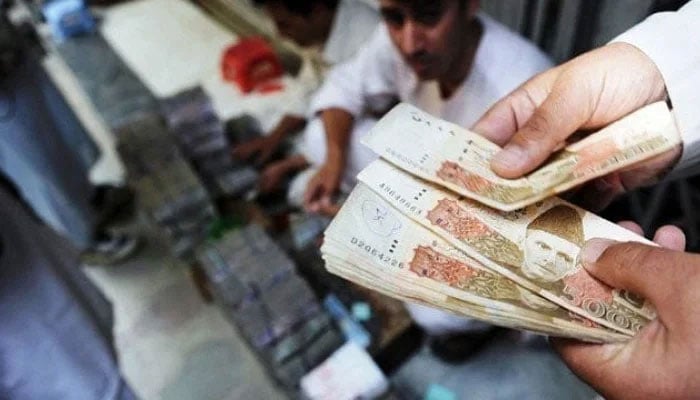
The State Bank of Pakistan lastest data showed that the caretaker government borrowed Rs4.133 trillion from banks between July 1, 2023, and January 26, 2024.
This amount is more than two times the Rs1.754 trillion borrowed during the same period of the last fiscal year. Comparing these borrowings to the corresponding period in the fiscal year 2023, there was a substantial increase of 135.63 percent. The total amount borrowed between July and January was more than the Rs3.716 trillion borrowed for the entire FY23.The massive borrowing is a reflection of the government's growing need for money to finance its spending and repay loans.
Analysts claim that the government borrowed this sum to pay off some of the debt from the SBP and meet its expanding budgetary demands.
The government borrowed Rs2.601 trillion from banks during July 1, 2023 to January 26, 2024 for budgetary support, compared with Rs1.600 trillion a year earlier.
The government's increasing reliance on domestic resources to fund its budget deficit in a climate of rising interest rates is reflected in the rise in markup payments, particularly on domestic debt. The SBP has increased its benchmark interest rate by a total of 15 percentage points to a record 22 percent since September 2021 in response to a record-high inflation brought on by shocks in oil and food prices. The policy rate has stayed at 22 percent since June 2023.
A large portion of government revenue is consumed by the higher cost of debt servicing. In the five months of FY2024 (July–November), the Federal Board of Revenue collected Rs3.5 trillion in taxes, a 30 percent increase over the same period a year earlier.
The amount of banking funds accessible to the private sector is restricted by high public-sector borrowing. Pakistani banks are unable to utilise their massive liquidity since investors have the opportunity to invest in risk-free government assets. Because bank loans have significant borrowing charges, both consumers and businesses are hesitant to apply for them. Nonetheless, the government will receive some interest payment relief on domestic debt due to the likelihood of a rate cut in March. The data from the SBP shows that bank lending to the private sector has continued to decline. In July through January of FY24, banks lent the private sector Rs84.321 billion, down from Rs449 billion over the same period a year ago.


