
APTMA calls for swift implementation of power tariff reduction plan to revive exports
ISLAMABAD: The textile industry on Monday urged the government to quickly implement a plan to lower power tariffs for industrial consumers to 9 cents per kilowatt-hour, saying it would help the country boost its exports and economic growth.
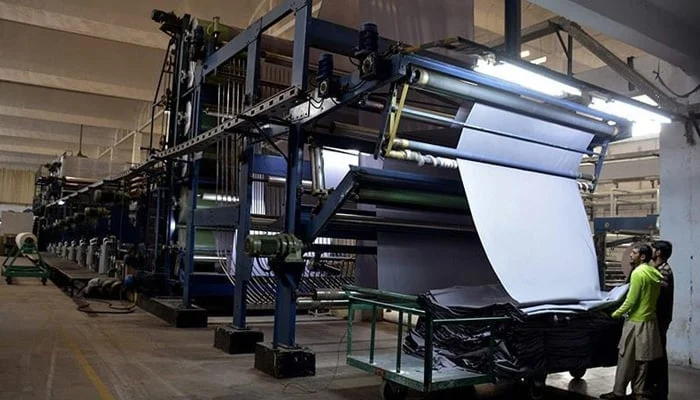
The All Pakistan Textile Mills Association (APTMA) the tariff reduction, decided last week by the government and the Special Investment Facilitation Council (SIFC), was a vital structural reform that would help Pakistan regain its competitiveness in the global market by correcting the cost structures of energy-intensive sectors.
"Power tariffs of 9 cents/kWh will not only reverse the declining power consumption of industrial consumers but also increase power consumption such that any power sector revenue losses from a price reduction will be more than offset by a positive volumetric effect," the APTMA said in a statement.
The group also said the tariff cut would help curb the accumulation of circular debt, which has been rising despite a sharp increase in energy prices over the past year. APTMA said the implications of the current tariff regime extend beyond any specific industry or sector, affecting employment, industrial growth, and overall economic stability of the country. "Inflated energy costs have forced thousands of firms to scale back production, leading to job losses and reduced economic activity."
“Pakistan is rapidly deindustrializing, as evidenced by the decline in power generation and consumption over the last few months, especially that of large industrial consumers,” the statement said. “The country is stuck in a vicious cycle of increasing power tariffs causing consumption to decline, which again causes power tariffs to increase, and so on. This is a situation that Pakistan, with its large and young population and vast economic challenges, cannot afford.”
The group said over the next 5 years, Pakistan’s gross external financing requirements are projected at over $25 billion annually. "In simple terms, this is foreign exchange that we need to pay for our imports and to service our debt, but money that we—as a country -- do not have."
APTMA said the only way to meet this financing gap is by either falling further into the debt trap or by increasing our exports. "A reduction to 9 cents/kWh is not just about restoring industrial competitiveness; it is about reigniting the engine of our economy."
Such a move would bolster exports across sectors and stimulate a range of associated industries and services, leading to job creation, increased foreign exchange earnings, and broader economic stability, it added.
APTMA said the global economy is fiercely competitive, and to thrive, Pakistan must offer an environment conducive to business growth. "Rationalized energy costs are a critical component of this environment. APTMA stands ready to work with the government and other stakeholders to ensure the long-term success of the Pakistani economy. We therefore call upon the government to implement their plan of rectifying power tariffs for industrial consumers with utmost urgency."


