Federal secretaries to be inducted into oversight boards under FBR revamp plan
Tax policy wing would look after setting up annual revenue collection targets in line with emerging tax policy
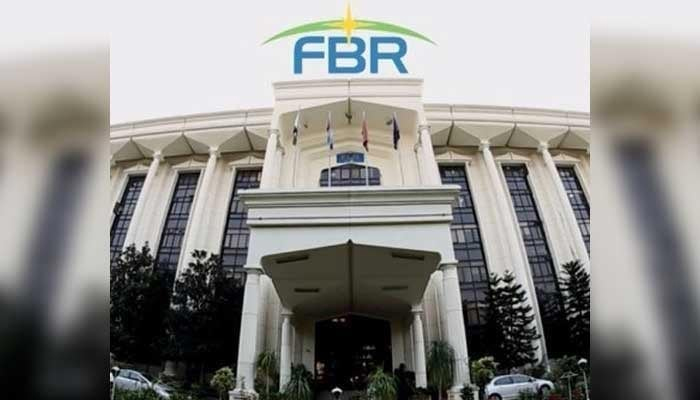
ISLAMABAD: The proposed restructuring plan of the FBR is all set to incorporate the federal secretaries into upcoming oversight boards, along with some independent experts who might possess clear-cut conflicts of interest, ‘creating more frictions amongst various service groups.’
The multiplicity of the proposed structure poses a potential threat to breaking the chain of the taxation system and surfacing more difficulties rather than settling disputes among the center and provinces ‘that remain unresolved after the 18th Amendment.’
Under the state-owned enterprises (SOEs) law enacted with the approval of the parliament under the IMF conditions, the government had made commitments to reduce the footprint of the secretaries. However, for taxation, the role of boards needs clarity and objectives.
Secondly, the executive boards cannot function like the pattern of corporate sector boards, so clarity on their mandate is essential. The caretaker government has kept complete silence over the controversial restructuring plan that has gripped the tax machinery with complete confusion, but nothing has been shared in the public domain to get valuable feedback. ‘Even tax officers remained out of the real picture.’
The salient features of the proposed restructuring plan of the FBR envisage that the government would reconstitute the federal policy board, which would serve as a policy instrument working under the chairmanship of the Minister for Finance. The Revenue Division secretary would report to the Policy Board. Under the Policy Board, the proposed reform plan envisages the establishment of a tax policy wing that would include experts from Customs and Inland Revenue (IR) taxes, including Income Tax, GST, and FED, as well as economists and researchers.
The tax policy wing would look after setting up annual revenue collection targets in line with the emerging tax policy. The government also plans to appoint two director generals of customs authority and DG IR Authority.
It is also part of the plan for the establishment of the oversight board headed by the finance minister and respective DGs of customs and IR authorities. The boards of these tax authorities will be headed by a chairman who will be an independent member and will include a secretary of finance, commerce, and revenue, along with high-powered independent experts.
Ironically, such boards might have nominations that possess a conflict of interest. It is not yet known how the independent member’s integrity and honesty will be ensured for taxation policies.
The government also plans that the transfer of respective service cadres and assets to the boards will be undertaken on the advice of the implementation committee, which is going to be notified by the competent authority.
Official sources said that the caretaker government was busy formulating different proposals without taking the tax machinery into confidence.
On the occasion of the last visit of the caretaker minister for finance, the hue and cry within the ranks of the tax machinery multiplied, but the finance minister remained unable to satisfy the highly dejected and demoralised officers.
On most of the questions, the reply was that they would unbundle the FBR and its responsibilities of the tax machinery to develop synergy.
In such a situation, how the reform process could ensure ownership of the tax machinery, who consider themselves victims instead of equal players in this whole game plan?