
Rohingyas flee Bangladesh to escape hunger, kidnap
KUTUPALONG, Bangladesh: Fleeing brutal violence in Myanmar, Rohingya refugees had hoped to find safety in neighbouring Bangladesh, but many are risking dangerous sea crossings to escape hunger, kidnap and gang violence.
Tears well up in Nur Kayes’ eyes as the mother of two speaks of struggling to feed her family in a squalid camp in southeast Bangladesh, where UN funding shortfalls have left refugees without enough to eat.
“When neighbours eat something before my kids, they start crying,” said the 27-year-old, who has been in a camp since fleeing her home in 2017.
“I can’t take my children’s tears. They don’t have food to eat. I spend my days and nights crying,” she told AFP.
Bangladesh is home to around a million members of the stateless and mainly Muslim minority, many of whom fled a military crackdown in Myanmar six years ago that is now subject to a UN genocide probe.
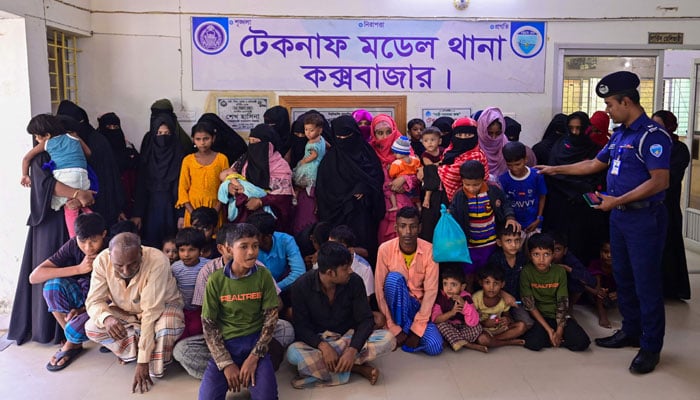
But hundreds are now making perilous journeys to Indonesia and Malaysia as dozens of Bangladeshi camps have become battlegrounds for rival armed groups who use the settlements as staging posts to traffick drugs and people.
Police said security in the camps has worsened, with more than 60 refugees killed in turf wars and drug-related clashes this year -- the highest number on record.
Kidnappings for ransom have also risen steeply.
“Rohingya are tired of living in the camps,” said Rohingya youth activist Saiful Arakani, 27.
“They don’t want to lose their lives in the hands of bandits.”
Kayes said one of her neighbours was kidnapped and she fears for her own safety.
“The kidnappers took him away while he was sleeping,” she said, explaining that the gunmen forced the neighbour’s family to hand over their life savings and borrow additional funds to pay more than $1,350 in ransom for his release.
“His family collected the money in five days and brought him back,” Kayes said, adding that she would have no way to pay a ransom if her family were kidnapped.
Her husband Faruk is in jail for working illegally as a boatman, defying a Bangladeshi order banning Rohingya from employment outside the camps. Kayes cannot even afford to pay a lawyer to help him get bail.
“Where would I get 4,000-5,000 taka ($35-45), when I barely have anything for my family?”
She already works for a wealthier refugee family, but must part with two-thirds of her UN food ration to repay debts incurred for her shelter made of tarpaulin and bamboo.
Except for some who do aid work inside the camps, almost all the refugees are officially unemployed.
Two officials from Bangladesh’s refugee commission told AFP that desperation had forced tens of thousands of Rohingya to flee the camps and find work as fishermen, salt farmers and construction workers.
“Their entry into the local job market has driven down demand for local labourers”, one official said, speaking on the condition of anonymity.
“Understandably, local communities are angry. But can you stop it?”
Arakani said young people wanted a “better and violence-free life”, and dreamed of reaching Indonesia and Malaysia.
“Rohingya young people are leaving the camps because they are desperate,” he said.
“They say no matter if they die at sea... they want to go.”
Since November, there has been a spike in journeys to Indonesia’s westernmost province of Aceh -- a voyage of about 1,800 kilometres (1,120 miles) -- with the UN refugee agency reporting more than 1,500 arrivals in the biggest such wave since the 2017 crackdown in Myanmar.
Muhammad Rahim, a refugee leader, said hundreds of unmarried women and girls have lined up to go to Malaysia -- home to a sizable Rohingya diaspora -- hoping to find a well-off husband.
“When they go, they don’t care about their lives, they care about their stomach,” said Muhammad Islam, 55, who sent his only son to Malaysia last year.
“Some of them die in the boats, and some of them are jailed if they are caught.”
But human traffickers charge between $900 and $1,800 for the risky journey on rickety boats to Indonesia or Malaysia -- far more than many refugees can afford.
For Kayes, leaving Bangladesh for a “better country” is just a dream.
“If I had enough money, I also would have gone,” she said.


