
Shift in Pak diplomacy
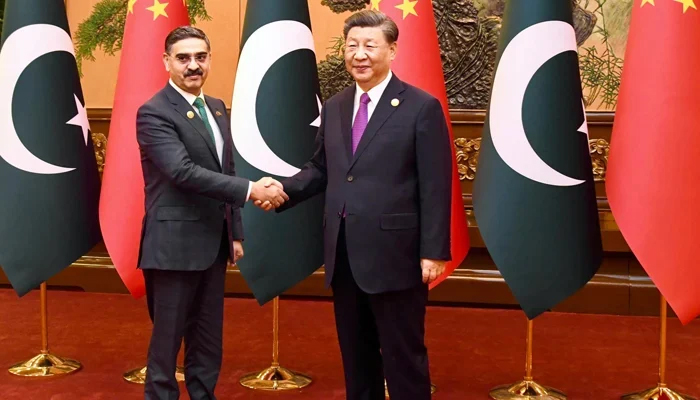
In a significant development on the global stage, Pakistan has undergone a notable shift in its international stance, signaling a diplomatic evolution that has caught the attention of nations worldwide.
This transformation, evident in recent diplomatic engagements and policy pronouncements, marks a departure from traditional alignments and underscores Pakistan’s commitment to fostering a more diversified and pragmatic foreign policy.
The catalyst for this shift can be traced to several key factors, with economic and geopolitical considerations at the forefront. Pakistan’s leadership has increasingly recognised the need to forge new partnerships and reevaluate existing alliances in order to address the complex challenges of the 21st century. One of the most noteworthy changes has been Pakistan’s efforts to strengthen ties with regional players, including enhanced cooperation with neighboring countries. Additionally, Pakistan has actively pursued stronger economic ties with China, solidifying the already robust China-Pakistan Economic Corridor (CPEC).
The strategic partnership with Beijing has not only bolstered Pakistan’s economic prospects but has also influenced its diplomatic posture, providing Islamabad with a more assertive role in regional and global affairs. Furthermore, Islamabad’s engagement with the Middle East has witnessed a nuanced recalibration. Traditional alliances with Arab nations have been complemented by efforts to maintain a delicate balance amid regional tensions. By avoiding entanglement in conflicts and promoting dialogue, Pakistan has positioned itself as a mediator and stabilizing force in the volatile Middle Eastern landscape.
On the global stage, Pakistan has actively sought to diversify its partnerships moving beyond historical alliances.
Strengthening ties with Russia and enhancing cooperation with European nations have become focal points of Pakistan’s foreign policy. This broader approach is indicative of the country’s determination to be a proactive and responsible player in the international community. The shift in Pakistan’s international stance has not been without its challenges. Domestic constituencies and entrenched interests may resist change, and balancing multiple relationships requires deft diplomatic maneuvering. However, the government’s commitment to this new direction has garnered support from a significant segment of the population, reflecting a recognition that adaptability is essential for navigating the complexities of today’s globalized world.
As Pakistan continues to redefine its place in the international arena, the implications of this diplomatic evolution are likely to reverberate across geopolitical landscapes. The world watches closely as Pakistan charts a course that emphasizes pragmatism, economic growth, and cooperation in an ever-changing global order. —Syed Nade Ali Termizi


