US appoints envoy to defend Afghan women's rights
Rina Amiri will take the role of special envoy for Afghan women, girls and human rights
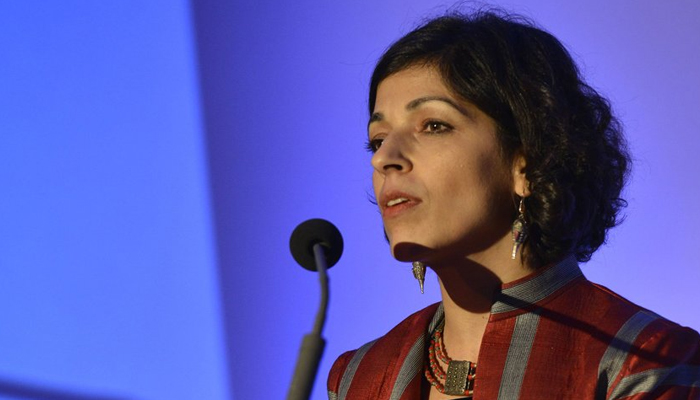
WASHINGTON: The United States on Wednesday appointed an envoy to defend the rights of Afghan women, signaling a key priority as the Taliban ratchet up restrictions.
Rina Amiri, an Afghan-born US scholar and mediation expert who served at the State Department under former president Barack Obama, will take the role of special envoy for Afghan women, girls and human rights, Secretary of State Antony Blinken announced.
Months after the United States ended its 20-year war in Afghanistan, Blinken said that Amiri will address issues of "critical importance to me" and the rest of President Joe Biden´s administration.
"We desire a peaceful, stable and secure Afghanistan, where all Afghans can live and thrive in political, economic and social inclusivity," Blinken said in a statement.
The Taliban imposed an ultra-austere brand of Islam on Afghanistan during their 1996-2001 regime, including banning women from working and girls from education.
Despite Taliban pledges to act differently after their August takeover, many women remain barred from returning to work and girls are largely cut off from secondary schooling.
On Sunday, the Taliban said that women would not be allowed to travel long distances without a male escort and that vehicle owners should not give rides to women unless they wear headscarves.


-
 Trump threatens to fire his top advisers over reported work for pro-Russian government
 -
 Ukraine accuses Russia of deadly ‘birthday’ attack for Vladimir Putin
 -
 Trump believes Russian 'plague' is unlikely to be 'bioweapon'
 -
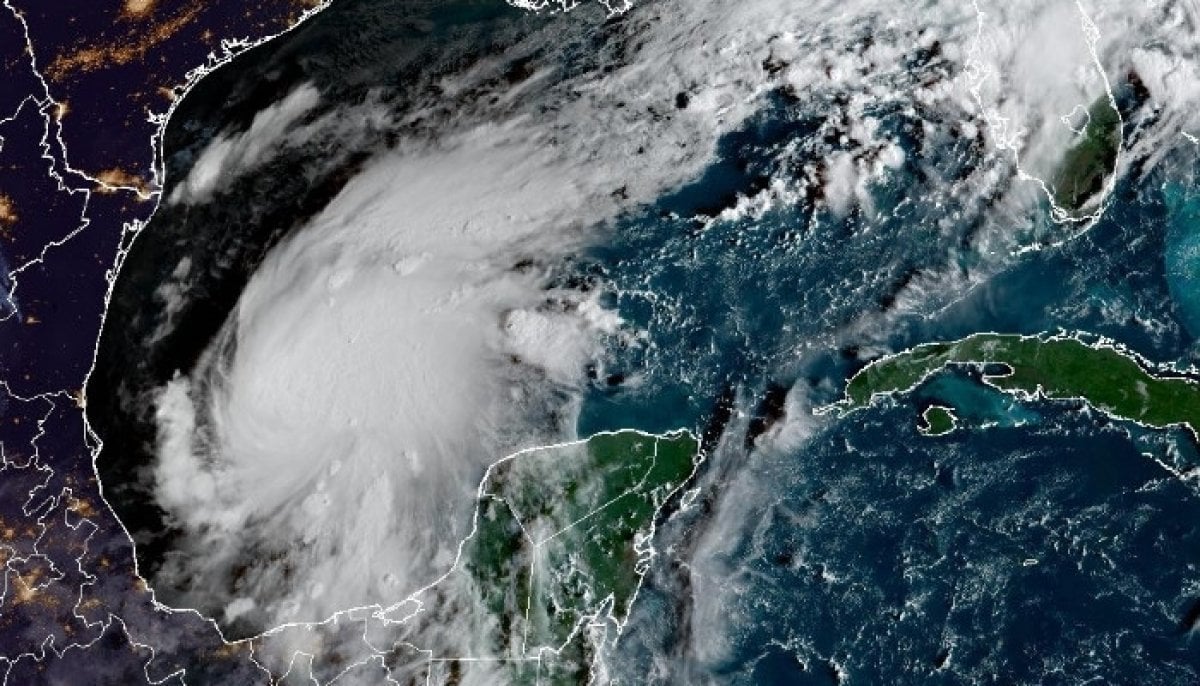 Florida on alert as Tropical Storm Isaias could become season’s first hurricane
 -
 Ken Paxton sounds alarm over Senate bid in leaked audio: ‘It’s the war, it’s gas prices’
 -
 ICE investigated non-profits over alleged ‘illegal alien voter registration’
 -
 US agency weighs easing rules on AI political robocalls to cellphones ahead of election
 -
 Christa Pike was stuck with ‘at least seven needles’ during failed execution, lawyers say